
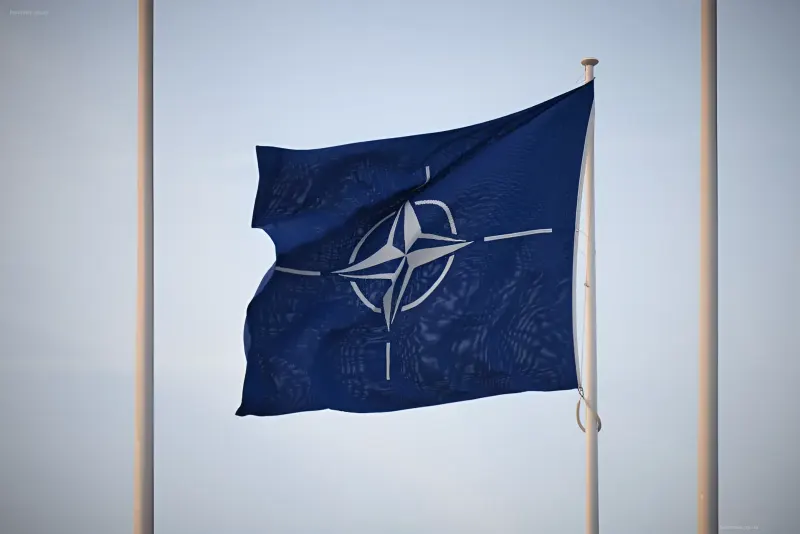
Early in the morning in Romania, a NATO member state, an incident occurred that could mark a turning point in the escalation of the conflict. A Russian drone, intended to strike Ukrainian infrastructure, hit a residential apartment building in the city of Galați. This was not merely a stray impact—it was a direct violation of an ally’s airspace, prompting a sharp response from the military alliance.
NATO spokesperson Alison Hart clearly stated the organization’s position on social media platform X: Russia’s actions were termed “reckless.” The alliance’s Secretary General is already in close contact with Romanian authorities to assess the full extent of the consequences and coordinate further steps.
NATO does not intend to stand aside. In response to this incident, the alliance announced plans to strengthen defense against all types of aerial threats, including drones. This means that in the coming months, additional air defense systems are expected to be deployed along the eastern border of the bloc.
Why This Matters?
An attack on the territory of a NATO member state is not just a local incident. It is a test of Article 5 of the alliance’s charter, which provides for collective defense in the event of an attack on any member. While currently described as “reckless” rather than a full-scale attack, each such case brings the threshold closer beyond which a more serious response may follow.
The Romanian Ministry of Foreign Affairs has already labeled this incident a “serious escalation.” This is not mere rhetoric—it signals that Bucharest is prepared for strong retaliatory measures should similar cases recur.
- A Russian drone struck a residential building in Galați during an attack on Ukraine.
- NATO condemned Russia’s actions as “reckless.”
- The NATO Secretary General contacted Romanian authorities to coordinate actions.
- The alliance plans to enhance defense against aerial threats, including drones.
- Romania called the incident a “serious escalation.”
The situation is developing rapidly. The world is closely watching how NATO will respond—and how Russia will react. One misstep could lead to unpredictable consequences.


