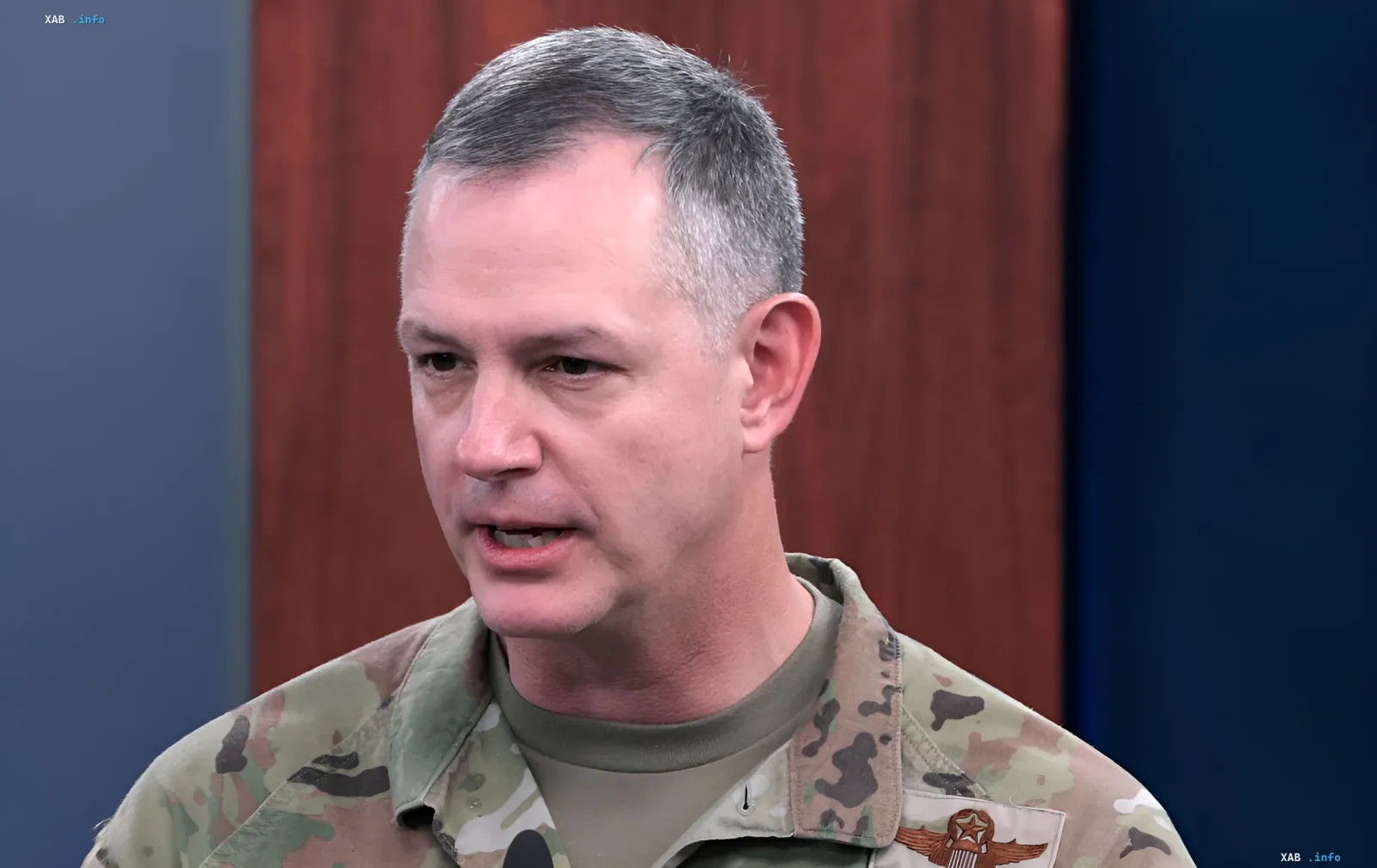
Against the backdrop of growing tensions in Eastern Europe and alarming signals from the Baltic states, the Supreme Allied Commander Europe, General Alexus Grinkevich, made a confident statement: Russia will not resort to direct aggression against Alliance countries. According to the General, Moscow clearly realizes that any military conflict with NATO will lead to inevitable defeat.
Intelligence and the Absence of Kremlin Plans
Grinkevich, who also heads the U.S. European Command, emphasized that the Alliance's intelligence services operate around the clock. Personally reviewing information flows, the General concluded that the Kremlin is currently not seeking a direct confrontation with the West. During a panel discussion at the ILA Berlin Air Show, he stated that he closely monitors all intelligence and sees no signs of preparation for a large-scale invasion.
"Russia is not seeking conflict... They understand the term 'defensive alliance' and understand that we have a number of asymmetric advantages," noted Grinkevich. He added that dictator Vladimir Putin is fully aware of NATO's advantage in resources and military power.
Strategy of Unacceptable Cost
The main task of the command, according to the General, is to make the price of any attack unacceptable for Russia. Grinkevich explained the logic of deterrence: "The task is to make Russia understand: if they try anything in the Baltic states, it will not work. Since they know it will not succeed, they will not risk anything like that".
The General assured that NATO forces are in a state of high combat readiness and there will be no delays in response. When asked about readiness to fight right today, he answered unequivocally: "Absolutely".
Alarm in Washington and Fear in the Baltics
Grinkevich's statement came against the backdrop of complex political processes in the US. As the Financial Times reports, Washington plans to reduce part of its military capabilities in Europe. However, a "specific force model" is planned to remain: reserves capable of being combat-ready in 10, 30, or 180 days.
Estonia, Lithuania, and Latvia view these plans with alarm, fearing gaps in security. General Grinkevich is trying to reassure allies, asserting that the current deterrence system remains reliable.
Real Threats at the Borders
Despite the General's confidence, the real situation remains tense. Drones used by Russian occupiers are increasingly crossing the borders of Alliance countries. A recent incident in Romania caused particular concern, where a "Geran" drone fell on the roof of a residential building in the city of Galati, resulting in casualties among the civilian population.
In response to the threat, Latvia has already begun active work to strengthen the border with Russia. "Dragon's teeth" and anti-tank ditches are being installed along the entire front line. The barriers are placed in three rows, about 10 meters wide, with each element weighing 1.5 tons.


