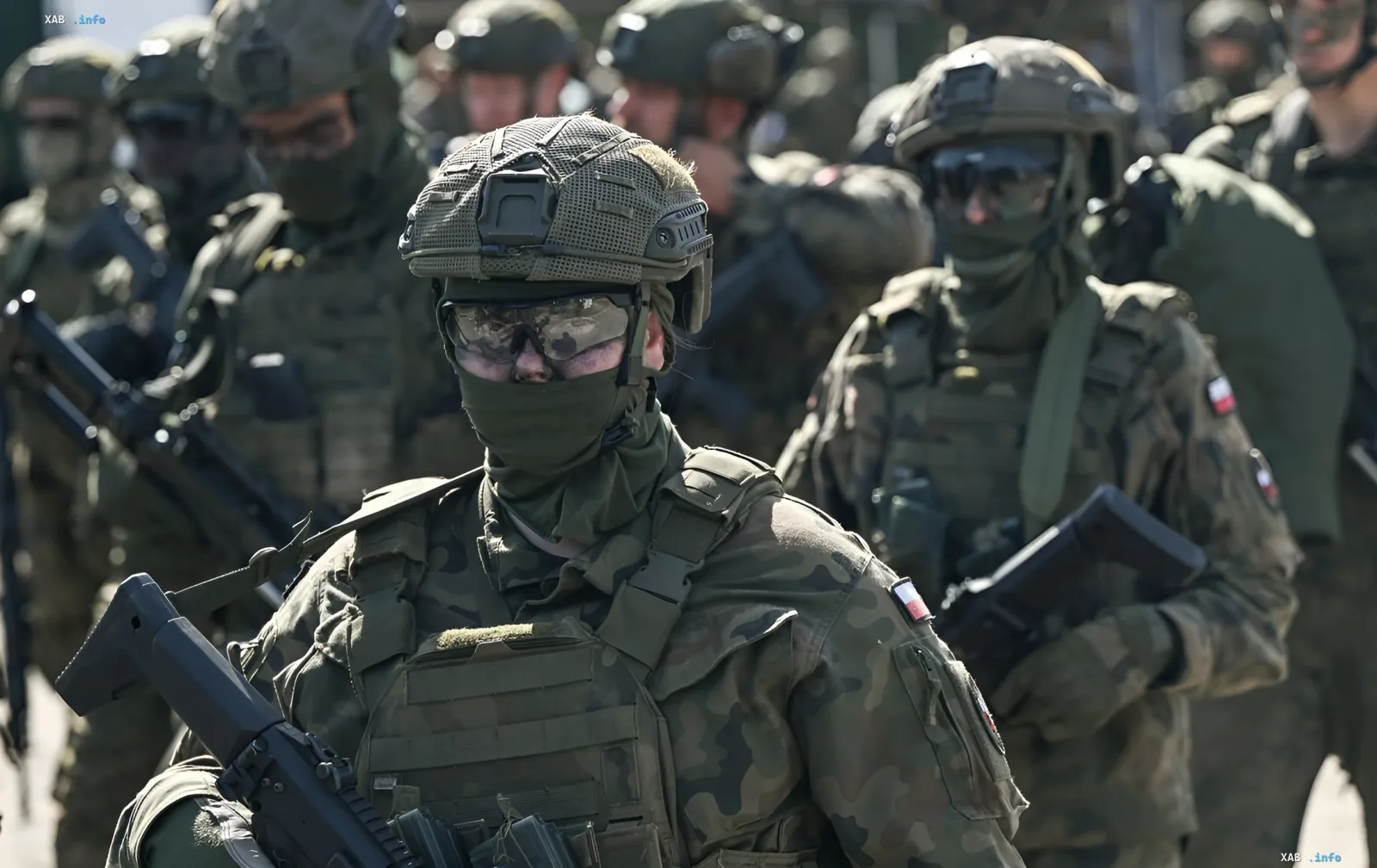
Rapid reaction units of NATO have officially become operational in Sweden and Finland. This is the result of a large-scale operation aimed at strengthening the defensive positions of the Alliance's new members. As reported by RBK-Ukraine citing the Estonian publication ERR, NATO ground forces began active measures to enhance the security of the region's countries this weekend.
Strategic importance of the northeastern flank
Alexus Grinkevich, Commander of Allied Forces in Europe, a US General, emphasized that the surroundings of these countries constitute one of the strategically important and most complex regions in the world. To ensure the operational defense of the northeastern flank, a new international military formation has been launched.
Similar defensive ground units of the Alliance have been functioning for a long time in other European countries, specifically in Bulgaria, Estonia, Hungary, Latvia, Lithuania, Poland, Romania, and Slovakia. Now, Scandinavia and Finland have been added to this list.
Control over the Baltic and historical context
Sweden and Finland possess a unique strategic geographical location. They control the coastline of the waterway used by the Russian fleet to move warships between St. Petersburg and Kaliningrad. This makes their presence critically important for deterring potential threats.
Furthermore, Finland shares a long border with the Russian Federation and has historical experience in resisting aggression—the country fought against the Soviet Union twice during World War II. This historical background fosters a particular vigilance regarding regional security.
Threats and Europe's countermeasures
Anxiety regarding potential actions by the RF is growing in European capitals. Kaspars Pudzans, Commander of the Latvian Armed Forces, stated that Russia has accumulated a significant advantage in the quantity and speed of drone production. In his opinion, the Kremlin will attempt to exploit this window of opportunity by the end of 2028, before NATO countries complete their own rearmament.
Western officials fear that the RF could expand the conflict into Europe significantly sooner. Specifically, there is a risk of a potential strike against the Baltic states, islands in the Baltic Sea, or Alliance territories in the Arctic within the next 12 months. These concerns are exacerbated by the reduction of American presence and a possible energy crisis.
In response to such risks, Germany has already adopted its first-ever defense strategy, in which Russia is officially recognized as the main security threat. Berlin has begun preparing the Bundeswehr to repel potential aggression and plans to create the most powerful conventional army on the European continent.


