Five Ukrainian and Western defense officials told Reuters that the pace of change on the battlefield is rendering parts of NATO’s weapons and tactical doctrines effectively obsolete. In their words, Ukraine, despite not being a member of the Alliance, restructures its combat formations and procurement within weeks, while European capitals plan new systems into budgets years and even decades ahead. The conclusion, which sources say is gradually reaching Brussels: the war NATO planned to fight in the 2010s no longer matches the war Ukraine has been fighting since 2022.
Drones Are Changing the Geometry of Combat
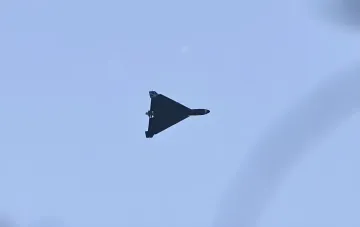
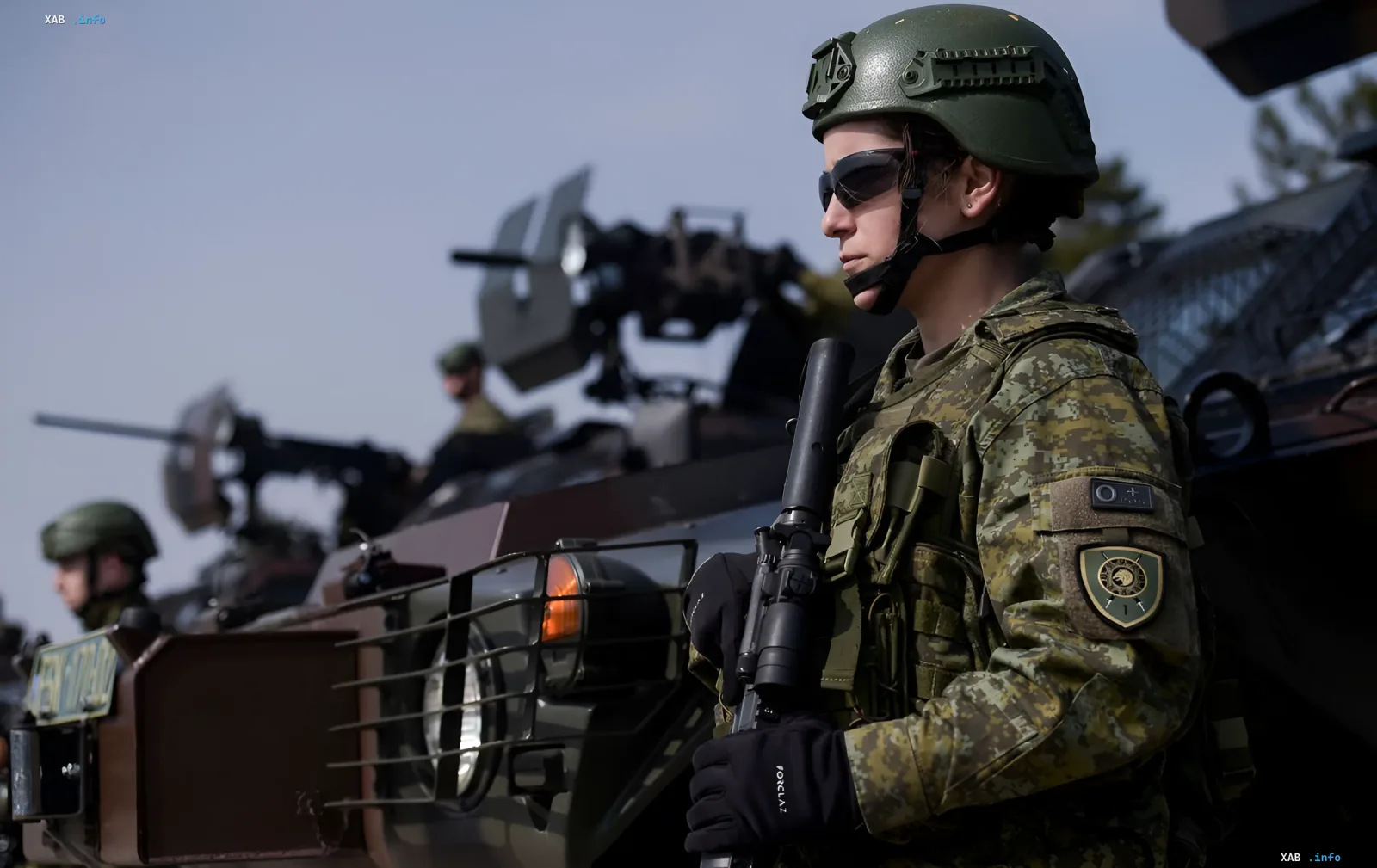
Denis Stillerman, co-owner and chief designer of the Ukrainian company Fire Point, left no illusions in his conversation with Reuters: “Tanks are now insignificant. A drone costing around five thousand dollars can destroy them.” At the same time, he noted, European governments continue to direct significant defense budgets toward armored vehicles without revising their priorities. Cheap unmanned aerial vehicles, as the publication’s sources point out, have turned large transport convoys and concentrations of personnel into easily vulnerable targets. Commander of the National Guard of Ukraine, Oleksandr Pivnenko, formulated the problem for international contingents in the most direct terms: “They are good at storming positions. But if there is a drone overhead and you don’t even lift your head — what will happen to your unit?”
Bureaucracy Versus Speed
Ukrainian officials emphasize Kyiv’s growing role in teaching the Alliance the lessons drawn from the war against Russia. However, as the same sources acknowledge, NATO’s military bureaucracy absorbs these lessons with difficulty. One Ukrainian officer, who underwent psychological training in Romania to Alliance standards, told Reuters that some NATO training materials still rely on World War II experience. The Ukrainian Ministry of Defense, in an official statement, called on Kyiv’s soldiers and NATO servicemembers to “learn a lot from each other” and described Ukraine’s use of drones and electronic warfare as “unprecedented in the world.”
Contradictory Data
Public materials related to the outcomes of the recent NATO summit feature different figures for financial support to Ukraine. The headline of a focus.ua publication on the outcomes of the Ankara summit mentions aid in the amount of 70 billion euros, while korrespondent.net’s headline refers to the agreement of 140 billion euros for armaments. The difference is likely explained by a difference in counting methodology: one figure may reflect a specific tranche or package of credit guarantees, the other — the total volume of commitments, including multi-year programs. Nevertheless, for a reader tracking the Alliance’s defense budgets, such a discrepancy in public figures deserves attention. Moreover, there remains an internal contradiction in European defense policy: on the one hand, it is acknowledged that tanks have lost their former significance, while on the other, budgets for armored vehicles are cut reluctantly, which, according to Stillerman, indicates an unwillingness to review established spending lines.
The Freyja Project and the Bet on European Independence
The war in Ukraine has also exposed the vulnerability of NATO’s air and missile defense: Europe critically depends on American Patriot systems, while Ukraine itself faces an acute shortage of interceptor missiles. In July of this year, Kyiv and nine European allies launched an air defense coalition, within which the joint development of a new missile defense system under the working name Freyja is planned. The consortium brings together around a dozen companies; the main partner in the private sector is Fire Point. “If you spend 20 billion dollars on your air defense system, you must be independent in your security,” Stillerman argued in support of the need for independent European production. Earlier, RBC-Ukraine reported that the Czech Republic supported President Volodymyr Zelenskyy’s initiative to create a common European air defense system, and Zelenskyy himself announced the development of Ukrainian ballistics and a missile defense system for the 2026–2027 period.
Practical Lessons: From Romania to Lithuania
Specific episodes from recent weeks illustrate how quickly new threats become routine. In Lithuania, on the night of September 15, a drone was shot down that, according to identification results, turned out to be a Russian “Gerbera” — this confirms that the airspace of the Baltic states remains a zone of active operations. For NATO, according to Ukrainian sources from Reuters, the key takeaway is not to buy one more Patriot, but to restructure logistics, command, and training to fit a reality in which a drone with a five-dollar cost component dictates the terms of tactics for entire divisions. While the Alliance agrees on budgets in committees, Ukraine, in the words of one official, “is already living in tomorrow.”