Modern humans of non-African descent carry between 2% and 4% Neanderthal DNA in their genome. For a long time, this legacy was considered merely an evolutionary artifact, however, new research shows that ancient genes may play a dual role in our immune system.
Scientists have found that genetic variants inherited from extinct relatives can hinder the body's ability to fight certain types of viruses. While it was previously proven that Neanderthal DNA enhances protection against RNA viruses causing acute infections, the situation is different with DNA viruses.
The Immunity Paradox: Old Genes vs. New Threats
Unlike their RNA counterparts, DNA viruses often remain in the human body for years, causing delayed, systemic, and chronic diseases. To understand how ancient genetics affects the fight against such pathogens, researchers analyzed the link between Neanderthal DNA variants and viral load.
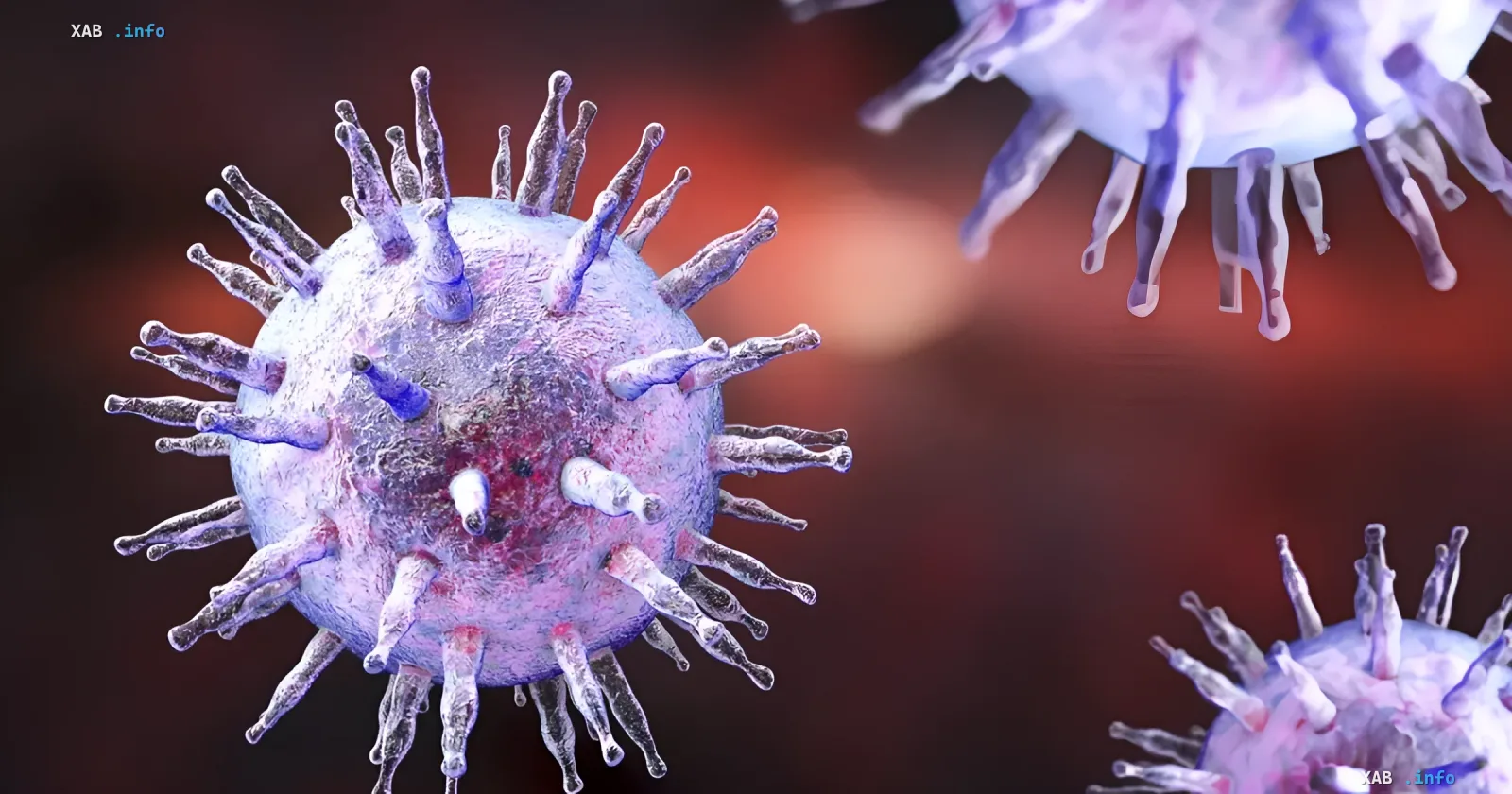
The focus of the scientists' attention was on five common viruses from the herpesvirus family, which are present in the bodies of the vast majority of healthy people:
- Epstein-Barr virus;
- Human herpesvirus 7;
- Three separate Torque Teno viruses.
These viruses generally do not cause symptoms, but the level of their presence (viral load) is an accurate indicator of how effectively the immune system suppresses pathogen replication.
Neanderthal Genes and Chronic Infections
The results of the study were unexpected: the presence of Neanderthal DNA is directly linked to a higher viral load for all five viruses studied. This means that in carriers of these genes, the immune system is less effective at controlling chronic infections.
Most of the dangerous genetic variants were found in the major histocompatibility complex. This is a group of genes encoding proteins on the cell surface that help the immune system recognize and destroy infected tissues. According to the authors of the study, Neanderthal genes do not provide adequate protection against a number of DNA viruses in modern humans.
This conclusion contrasts sharply with data on the beneficial effect of ancient DNA on protection against RNA viruses. Scientists suggest that the reason lies in evolutionary adaptation: Neanderthals were optimized to fight Paleolithic viruses, which differed from modern pathogens. Their immune system was tuned for acute, rather than chronic, infections.


