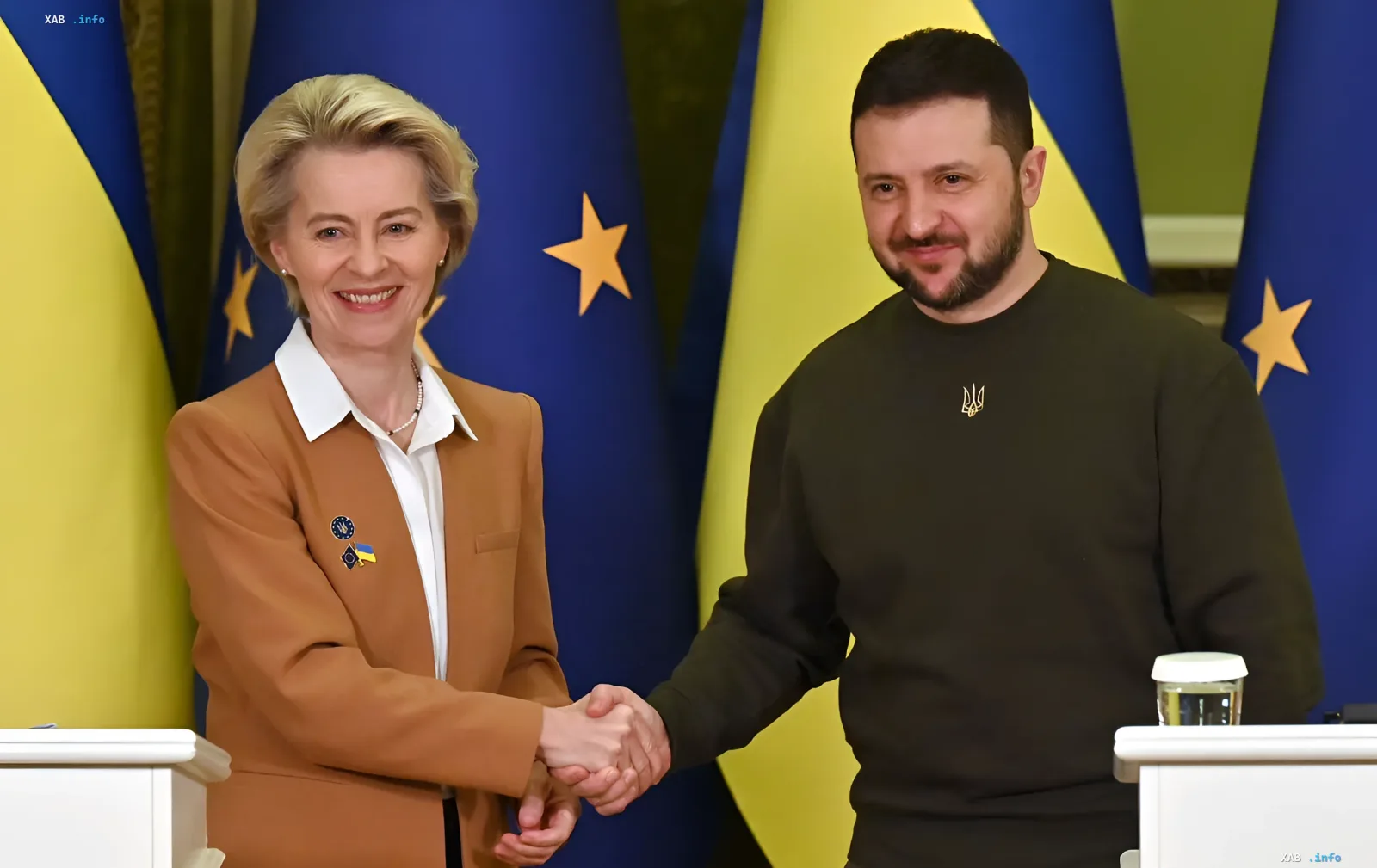
Ukraine has taken a historic step towards European integration. Today, negotiations officially began on the first cluster within the framework of the country's accession process to the European Union. The European Commission announced this, confirming that all EU member states have reached a consensus on starting the dialogue.
"Enlargement is our strategic choice. It is our best investment in a shared future based on peace, security, and prosperity," they emphasized in Brussels. The European Commission noted that Kyiv and Chisinau (Moldova) have done enormous work to reach this stage.
What are negotiation clusters?
The EU accession process is not just about signing a treaty; it is complex work to harmonize national legislation with EU norms. The entire volume of reforms is divided into six clusters, each containing several chapters. In total, Ukraine must align 35 chapters.
The first cluster to open is always "Fundamentals." Work began on this one today. It covers fundamental aspects: the rule of law, freedom, fundamental rights, the fight against corruption, and justice. This is the most complex and politically sensitive block, requiring deep structural changes.
Political kitchen: from Orbán to new challenges
For a long time, Hungary was the main obstacle to the start of negotiations. Viktor Orbán used his veto right to block Ukraine's progress. However, after the change in the political landscape in Budapest, the situation changed. Although the Hungarian authorities occasionally hint at possible blockages regarding national minorities, other EU countries are no longer willing to tolerate a complete paralysis of the process.
Nevertheless, the disappearance of the "Hungarian factor" did not mean an automatic "green light." On the contrary, being freed from the blockade allowed other member states to voice their concerns and demands.
Among those showing caution are Poland and France:
- Poland: Warsaw is concerned about the impact of Ukraine's powerful agricultural sector on Polish farmers. Economic interests are paramount here, although historical disputes should not yet affect the opening of clusters.
- France: Paris traditionally advocates for a measured pace of enlargement. The desire to limit the process to only the first cluster for now has a double background: protecting its own economy from future competition and political caution.
Reality of reforms: what awaits Ukraine?
Opening the clusters shifts the entire burden of responsibility onto the Ukrainian authorities. Now, every ministry must develop detailed "roadmaps" and adapt hundreds of European directives. This will require the adoption of new laws, decrees, and orders, each step of which must be coordinated with the European Commission.
The Verkhovna Rada will have to promptly vote on European integration laws. For ordinary citizens, this means the beginning of deep changes in daily life — from water supply standards and environmental norms to consumer protection. The country will begin restructuring according to European standards even before official accession.
Key challenges and deadlines
The most serious tests await Ukraine precisely within the first cluster, "Fundamentals." The European Union sets high requirements for the independence of law enforcement agencies. In particular, Brussels expects a reform of the General Prosecutor's Office, changes to the procedure for appointing the Prosecutor General, as well as strengthening the independence of the SAPO and NABU.
The deadlines for completing the process remain a subject of discussion. The optimistic scenario assumes the opening of all six clusters by the end of July, while the pessimistic one is in the autumn. As for the date of accession, the most realistic term is cited as 2030. At the same time, ratifying the accession treaty may take another 2–2.5 years.
Clusters will only be closed when legislation is fully brought into line with European norms. After this, the final political decision by the European Union on Ukraine's accession will follow.


