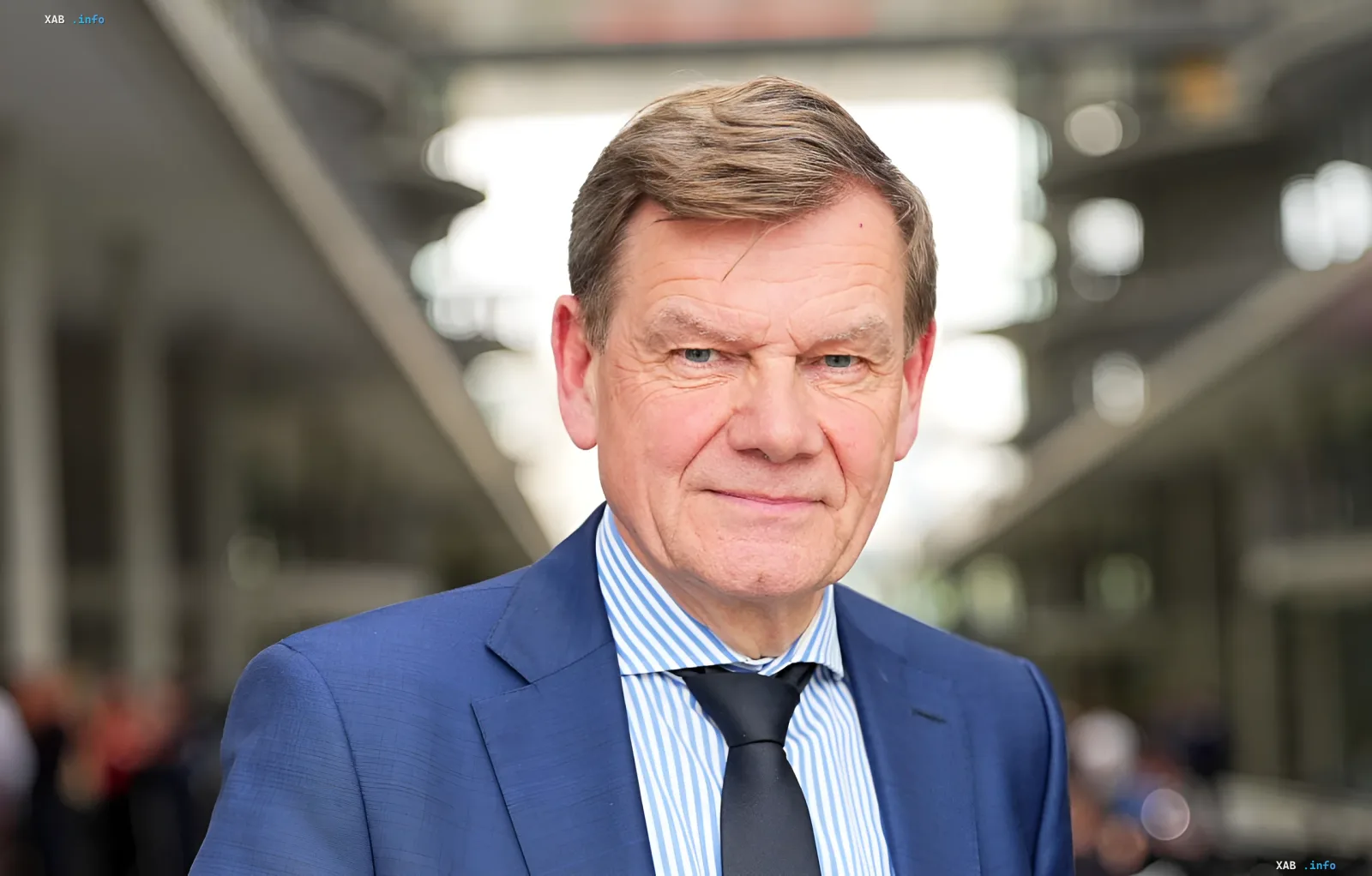
On June 16, 2026, a statement was made in European diplomatic circles that could change the trajectory of the conflict. German Foreign Minister Johann Wadefuhl, in an interview with European media, forecasted that peace negotiations regarding Ukraine could begin as early as the current summer season. According to the minister, Vladimir Putin may have reached a point where he is ready to seriously consider this issue.
This statement is not baseless optimism. It is based on a thorough analysis of the current situation on the frontline and the geopolitical context. Berlin proceeds from the assumption that the military phase of the conflict has effectively reached a strategic deadlock.
Strategic Deadlock and the Logic of Diplomacy
The key argument from the German Foreign Office is the lack of a decisive advantage for either side. Neither Ukraine nor Russia currently possesses the resources for a quick military victory. Such a situation objectively pushes the participants to seek political alternatives. The protracted nature of hostilities, colossal losses, and increasing external pressure, according to German diplomats, have led the Kremlin to the necessity of revising its strategy.
Signals from Berlin do not remain isolated. They resonate with other diplomatic indicators of June 2026. Sources in the German government previously reported on a "slowly opening window for dialogue." Finnish President Alexander Stubb also adopted a similar position, publicly noting the first indirect signs of Russia's readiness to discuss ceasefire conditions.
Europe's Role in Future Negotiations
However, Wadefuhl immediately outlined the boundaries of the possible process. The minister firmly emphasized that any peace discussions, including issues of European security and guarantees for Ukraine, cannot be conducted behind closed doors solely between Washington and Moscow. EU countries must take direct and immediate part in them. Berlin insists that Europe cannot be a passive observer in a process that directly determines its security.
Thus, the forecast for the summer of 2026 is built on a combination of military deadlock and the political will of European leaders. If the German diplomatic assessment is correct, in the coming months the world may witness a transition from purely military actions to an intensive diplomatic phase.