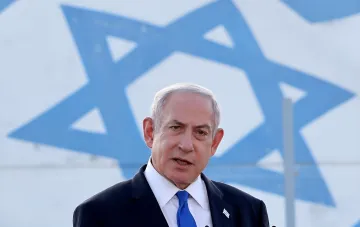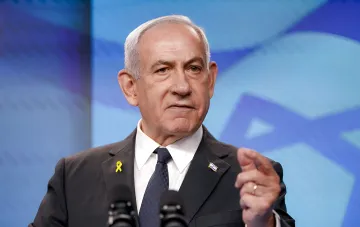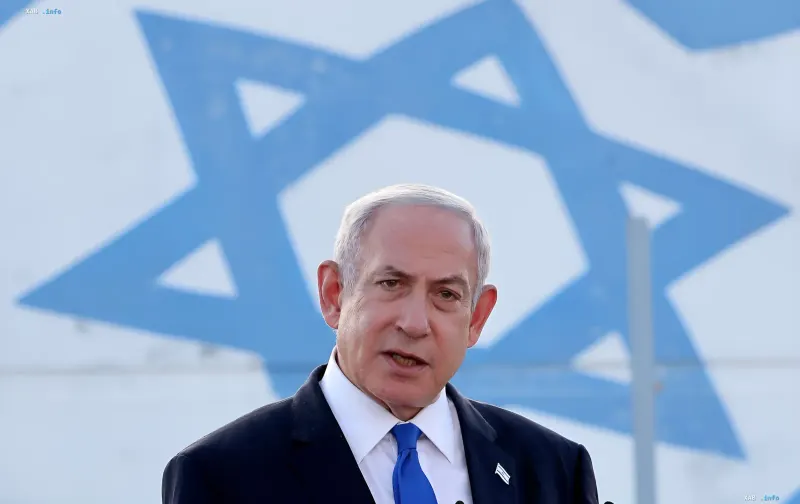
Israeli Prime Minister Benjamin Netanyahu made a sharp statement accusing Iran of attempting to kill one of his sons. According to the Israeli leader, this threat explains the need for enhanced security. "Iran tried to kill one of my sons, and that is why this security is not a luxury," he stated, yet he did not disclose key details of the incident.
The Prime Minister's Statement Lacks Specifics
It is important to note that Netanyahu did not specify which son was meant, nor did he say when, in his claim, the assassination attempt could have taken place. It is publicly known that the prime minister's eldest son, Yair, lives in Miami, which makes the statement particularly vague: neither the location, nor the time, nor the identity of the potential target was named. It is precisely this lack of specificity that turns the loud accusation into a political statement rather than a confirmed fact.
Context: The Debate Over Candidate Security Before Elections
The mention of a possible threat to his sons came up in the context of a different, more practical issue — the debate over what level of security should be provided to political candidates on the eve of the general elections in Israel. Netanyahu, he said, informed the head of Israel's Shin Bet security service, David Barnea, of the need to ensure proper security for any candidate for the post of prime minister. Thus, the accusation against Iran was used as an argument in the discussion about the scope and priorities of the security service.
Iran's Reaction and the US Position
Iran's mission to the United Nations in New York did not immediately respond to a query regarding the Israeli prime minister's accusations, meaning that no public denial or confirmation from Tehran followed at the time of publication. Against this backdrop, the line of pressure on Iran remains on the international agenda: earlier, US President Donald Trump stated his intention to impose large-scale economic pressure on Iran and warned other countries of the consequences of helping Tehran circumvent the restrictions, in particular referring to financial transactions, oil smuggling, cash transfers, and the use of shell companies.
Contradictory Data
There are significant inconsistencies between the parties' statements and the available facts. On the one hand, Netanyahu asserts the fact of an assassination attempt, but he provides neither the son's name, nor the date, nor the location, nor any evidence. On the other hand, the Iranian side has neither confirmed nor denied the accusation, and there is no public independent confirmation of the incident in the provided sources. Thus, the Israeli prime minister's version and Iran's position (silence) remain at odds: one side claims an assassination attempt, the other does not comment, and no third-party confirmation exists.
In light of the above, the statement should be regarded as a political signal tied to the pre-election theme of candidate security, rather than as a documented incident. The lack of specifics and Iran's reaction leaves room for various interpretations, which will remain relevant until additional verified data emerges.