
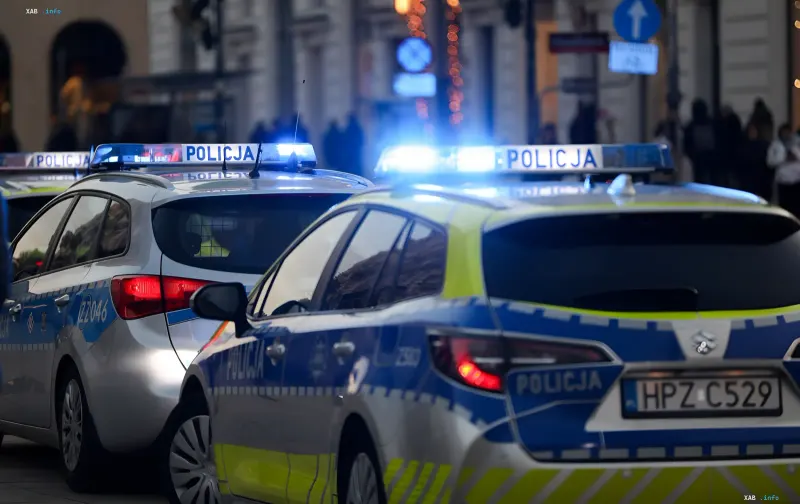
A large-scale network of Russian-paid agents has been exposed in Poland, who for two years organized anti-Ukrainian actions in Warsaw and Wrocław. This was reported by RBC-Ukraine, citing a statement from the Security Service of Ukraine (SBU).
Fake Protests as a Tool of Influence
Russian handlers carried out five fabricated "protest" actions in Polish cities during the 2025–2026 period. Their main goal was to discredit Ukraine on the international stage and destabilize the socio-political situation within the European Union.
Crowds for street events were recruited through special intermediaries. Participants were offered between $100 and $200 for a single appearance at an event. They were handed pre-prepared provocative placards, given detailed instructions on behavior, and paid in cash after the event concluded.
Exposure and Deportation of Organizers
Joint efforts by Ukrainian counterintelligence and the Polish Internal Security Agency allowed for the identification of 11 organizers of pro-Kremlin actions. Among them were nine Ukrainian citizens and two Belarusians who were on EU territory.
All suspects have already been deported to their countries of origin. Currently, Ukrainian law enforcement agencies are preparing a legal assessment of the actions of the compatriots involved in the scheme — the decision will be made individually, depending on the degree of guilt of each person.
International Investigation Continues
The investigation is of an international nature and aims to identify and hold accountable all organizers of Russian provocations. This is not the first case of such activity: Russian agents have long been actively operating in various European countries.
Recently, it became known which country serves as the main coordination center for Moscow's intelligence operations. Previously, RBC-Ukraine also reported on how the SBU took control of Kyiv monasteries due to their links with the agent network of the aggressor state.
The events in Poland once again demonstrate how important it is to remain vigilant and strengthen mechanisms of protection against hybrid threats — especially in the context of the ongoing conflict and information warfare.


