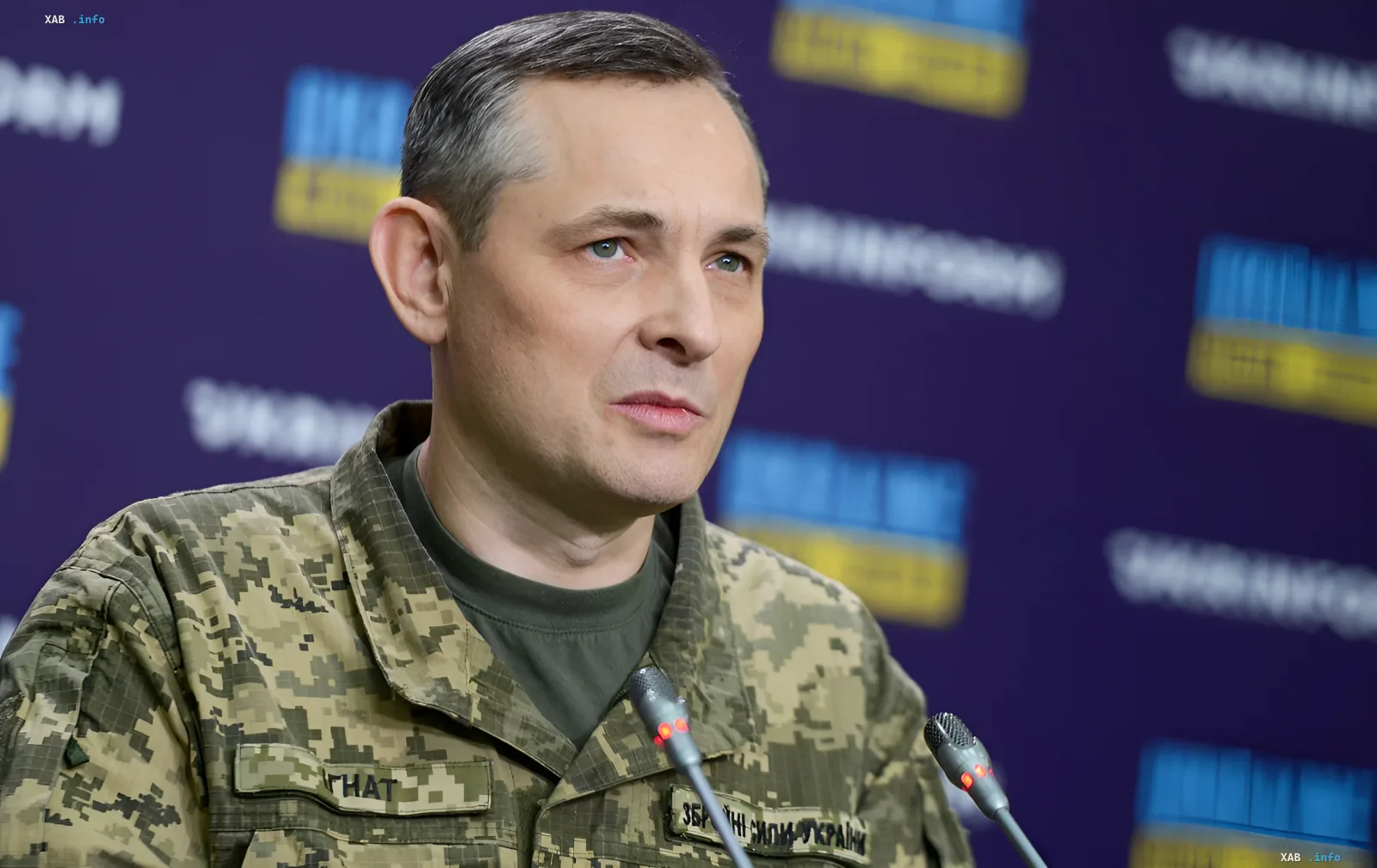
On June 15, Ukraine faced a massive attack that demonstrated the evolution of Russian military tactics. According to Air Force spokesperson Yuriy Ignat, the enemy unleashed an unprecedented number of munitions: 600 unmanned aerial vehicles and 70 missiles of various types.
Shift in Vector: From 'Kalibr' to 'Iskander'
Although the overall scale of the strike was comparable to previous attacks, the nature of the weapons used underwent significant changes. Instead of the usual 'Kalibr' cruise missiles, Russia used 'Iskander-K' ballistic missiles for the first time in such a massive strike.
Speaking on the TV marathon, Yuriy Ignat noted that ballistic missiles remain the most difficult type of target for Ukrainian air defense. "In terms of the targets shot down, unfortunately, the problem for us remains. It is ballistics," the spokesperson emphasized. According to him, effective counteraction to such threats can only be provided by the 'Patriot' system, the shortage of which allowed some missiles to reach their targets.
Attack Results: Destruction and Casualties
As a result of the strike, 20 missiles and 27 drones broke through the defenses and hit targets in various regions of the country. The most severe consequences were recorded in Kyiv and the Kyiv region.
In the capital, the attack led to the destruction of residential buildings and high-rise buildings. Among the damaged objects was a cultural monument — the Kyiv-Pechersk Lavra. The number of injured in Kyiv reached 30 people.
The Kyiv region also suffered significant damage. Private houses and cars were damaged in the region, and a child was among the injured. Special damage was done to cultural heritage: the Dovzhenko Film Studio — one of the oldest in the country — was hit. As a result of the attack, the largest costume collection in Ukraine was destroyed.
New Reality: Daily Threats
The Air Force spokesperson warned that the threat remains even after the end of the massive wave. Russia has switched to a tactic of constant pressure, carrying out daily launches of drones in large quantities.
According to Ignat's data, the enemy sends up to 200 drones at night and another 100 during the day. Attacks are carried out in small groups of 2–3 units from different directions, which complicates the work of air defense systems.
Ignat paid special attention to the situation in Dnipro, which, according to him, "is suffering very seriously" from these constant attacks. The enemy's new tactics require Ukrainian forces to be constantly ready and adapt to changing conditions of air warfare.


