
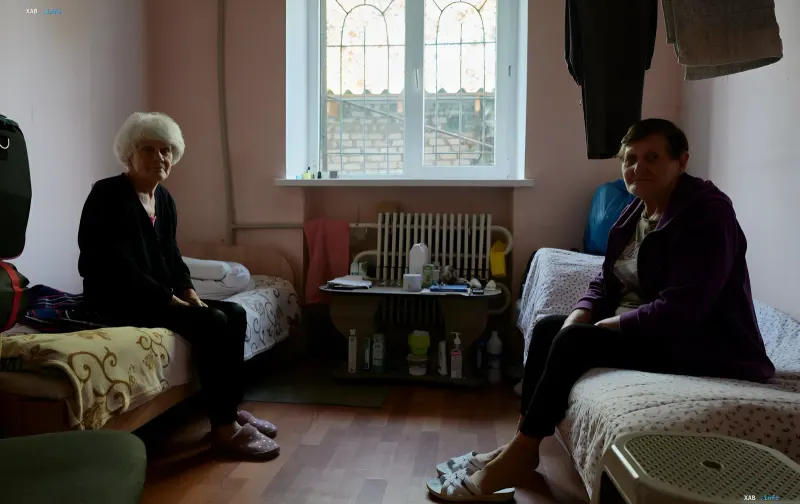
The Cabinet of Ministers of Ukraine has approved significant changes to the functioning of temporary accommodation centers for internally displaced persons (IDPs). The key innovation is the introduction of mandatory monitoring of premises before they are included in the official registry. The goal of the reform is to guarantee that living conditions meet established safety and comfort standards.
Mandatory control and procedural transparency
According to the Ministry of Social Policy, Family and Unity of Ukraine, every premise must now undergo a strict inspection. Monitoring tools have been updated, including a checklist form for assessing the condition and equipment of facilities. This should eliminate the placement of people in unsuitable or unsafe conditions.
The Government has also detailed the legal aspects of residence:
- The procedure for concluding and extending contracts for the use of residential premises has been clarified.
- The grounds and procedure for terminating such contracts have been clearly stipulated.
- A requirement for prior written notification of IDPs regarding the decision to relocate has been introduced.
Humanitarian concessions and employment support
The changes take into account the difficult life situations faced by IDPs. In particular, for those who, for certain reasons, do not have identity documents on hand, the terms of temporary residence have been extended. This time is given to complete the necessary documentation without the risk of being left without housing.
Special attention has been paid to socio-economic adaptation. The document provides measures aimed at supporting the employment of able-bodied persons living in temporary accommodation centers.
Government stance
Minister of Social Policy, Family and Unity of Ukraine Dmytro Ulyutin emphasized that a place of temporary residence must be not just a "roof over one's head," but a safe and comfortable space with clear rules.
"The adopted changes strengthen the protection of the rights of internally displaced persons, make procedures more transparent, and take into account modern challenges," the minister stated.
Previously, in April 2026, the Cabinet of Ministers had already expanded payment conditions for children and non-working IDPs, and launched a housing voucher program worth 2 million hryvnias for IDP veterans from temporarily occupied territories in the "Diia" digital service.


