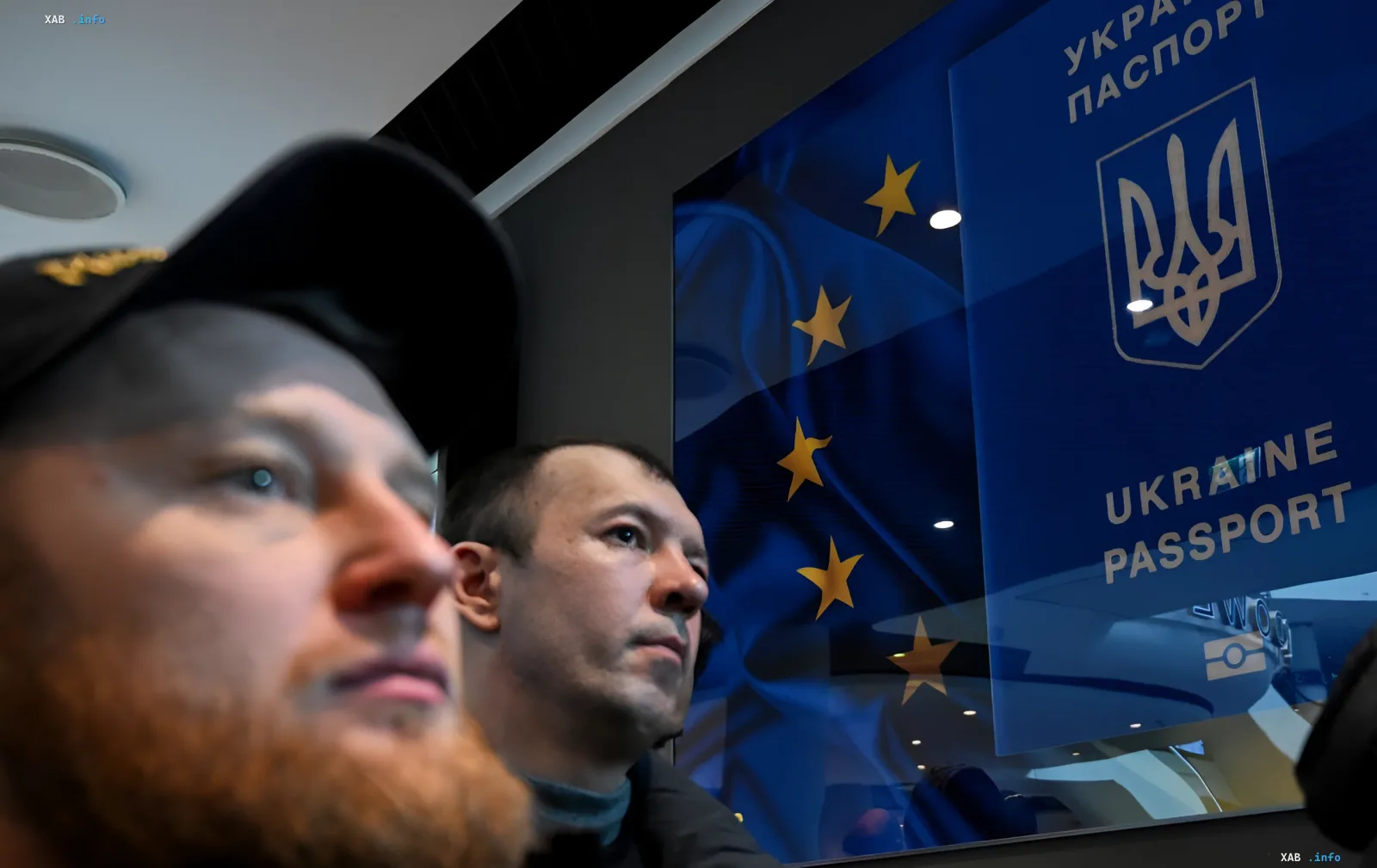
The European Union is preparing for major changes in its temporary protection policy for Ukrainian citizens. According to the latest data, Brussels plans to extend this mechanism beyond March 2027. However, as official sources have revealed, the rules of the game may change for a new wave of arrivals.
Restrictions for men: what the European Commission says
A key point in current discussions within the EU Council is the issue of adapting rules for Ukrainians who will seek asylum in the future. European Commission representative Corinna Ullrich confirmed that the possibility of introducing restrictions for men of mobilization age is being considered. At the moment, no final decision has been made on this issue, but the topic is being actively discussed.
It is important to understand that this concerns exclusively future arrivals. The European Commission has clearly distinguished categories: the likely new rules will not affect Ukrainians who have already obtained temporary protection status.
"When we talk about future arrivals, we are not talking about extending the status for those already under protection, but specifically about new applicants," Ullrich explained.
Who will definitely not be affected by the changes
According to Eurostat data, more than 1.5 million Ukrainian male refugees already in EU countries will retain their status. Their situation will not change even if new restrictive measures are adopted for new arrivals.
As of today, a total of 4.33 million displaced persons from Ukraine are using the temporary protection mechanism in the EU. This is a colossal figure, demonstrating the scale of the humanitarian operation.
Geography of placement: who accepts the most
The burden on neighboring countries is distributed unevenly. The leaders in the absolute number of accepted refugees remain:
- Germany — accepted 28.7% of all Ukrainians;
- Poland — 22.3%;
- Czechia — 9%.
However, if looking at the ratio of Ukrainians to the local population, the greatest burden falls on Czechia, Poland, Slovakia, and Cyprus. These countries demonstrate a high degree of readiness to accept displaced persons relative to their demographic indicators.
The paradox of mobilization and protection
Brussels acknowledges that the current situation looks contradictory. Some Ukrainians of mobilization age receive temporary protection in European countries automatically after leaving the country. It is precisely this aspect that raises questions among European politicians and becomes the subject of a review of the rules.
New migration dynamics
In addition to protection issues, changes in migration flows are also being recorded. For the first time since the beginning of the full-scale war, a positive trend in Ukrainians crossing the border has been recorded. In the first four months of the current year, 17,000 more people entered the country than left. This may indicate the beginning of the return of part of the population or a change in migration sentiments.


