
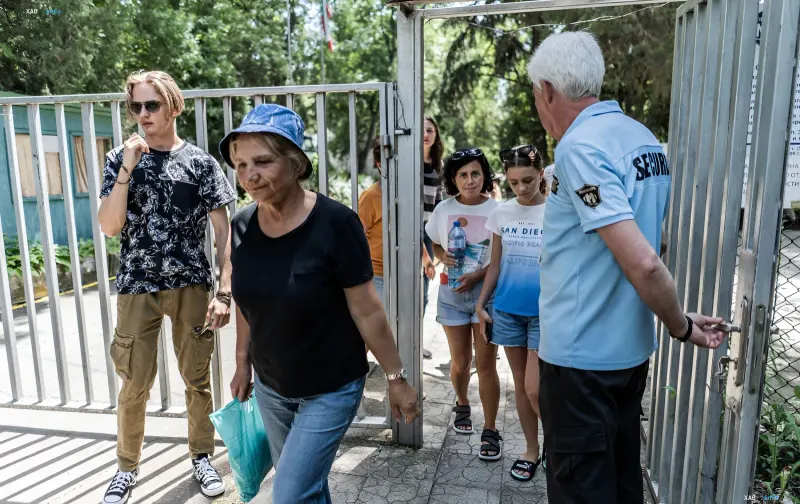
The European Commission has presented a proposal to the Council of the European Union to extend the Temporary Protection Directive for Ukrainian citizens for another year. This was announced by the European Commissioner for Home Affairs and Migration, Magnus Brunner, during a briefing in Brussels.
"We will present a proposal today to extend protection for another year," emphasized Brunner. If approved by the EU Council, the validity of temporary protection will be extended until March 4, 2028.
Restrictions for a specific category of men
Along with the extension of protection, the European Commission proposes introducing new restrictions. According to the proposal, temporary protection will not be granted to newly arrived individuals who are prohibited by Ukrainian legislation from leaving the country due to military obligations.
This means that men subject to mobilization or having other travel restrictions will not be able to obtain temporary protection status in European Union countries. This decision is aimed at avoiding violations of Ukrainian legislation and ensuring compliance with obligations to the country.
Reaction of the Council of Europe
Earlier, the Council of Europe called on not to force Ukrainian refugees to return home, noting that return remains dangerous. The organization emphasizes the importance of ensuring the safety and rights of people forced to leave their country due to the war.
Discussion in the European Union
Meanwhile, in Denmark, there is a proposal to annul residence permits for some Ukrainians. This initiative has become part of a broader discussion in the European Union about reviewing the conditions of stay for refugees. Member states are discussing the balance between humanitarian aid and the need to control migration flows.
The European Commission's proposal to extend temporary protection and the introduction of new restrictions for certain categories of men reflect the complexity of the situation facing the European Union. The decision of the EU Council will be a key moment in determining the future status of Ukrainian refugees in Europe.


