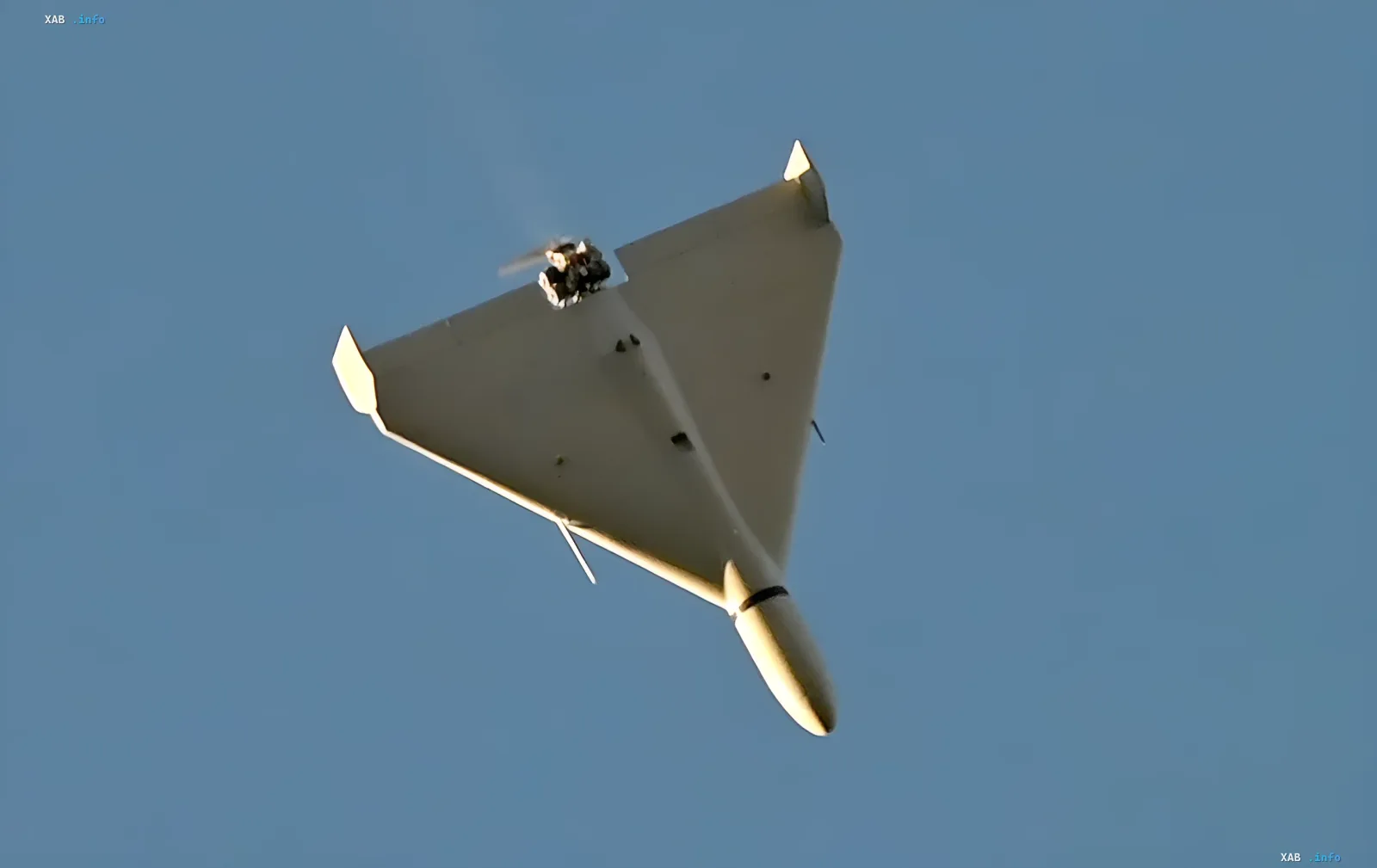
The geography of the air war is changing. According to intelligence data and satellite imagery analysis, Russia is actively transforming its infrastructure for drone warfare, moving key nodes closer to the Belarusian direction. This step radically changes attack tactics and creates new challenges for the Ukrainian air defense system.
Five new hubs in the border region
According to information published by Radio Liberty and confirmed by RBK-Ukraine, the Russian side has deployed at least five new facilities intended for launching strike drones. These complexes have been recorded in the Bryansk, Orel, and Smolensk regions. A critical factor is their geographical location: some of them are located just a few dozen kilometers from the border with Belarus.
Analysts have paid special attention to the facility in the area of the village of Tsimbulovo in the Orel region. In Russian sources, it was described as one of the largest drone centers in the world. Experts estimate that such sites can simultaneously host hundreds of devices and continue to expand, turning into powerful logistics hubs for attacks.
Change in trajectories and load on air defense
Ukrainian military forces are recording that a significant portion of Russian drones during massive strikes now pass through the territory of Belarus or move strictly along the border line. Representatives of the Ukrainian Air Force emphasize: such tactics significantly complicate the work of Ukrainian air defense crews.
Using border routes allows Russia to reduce the flight time of drones to targets and change attack trajectories, especially towards Kyiv and the western regions of Ukraine. Military analyst Anatoliy Khrapchynsky notes that such an infrastructure configuration gives Moscow additional tactical advantages, forcing the Ukrainian defense to stretch its resources.
Violations of airspace
The activation of Russian complexes in the border region directly correlates with an increase in violations of Belarusian airspace. According to official data, such cases are recorded almost daily. During certain periods, we are talking about hundreds of incidents when drones cross the border, using the airspace of Russia's ally as a transit zone.
The network of launch and auxiliary facilities began to expand actively from 2024. Among the identified sites are airfields and specialized complexes in the Bryansk and Smolensk regions, as well as large storage and launch zones for UAVs in the Orel region. Some of them are already being used for regular launches of strike drones into Ukrainian territory.
Kyiv's position and international context
The Ukrainian side has clearly stated its position: while recording the use of border routes for attacks, Kyiv does not seek to expand the conflict onto the territory of Belarus. However, the actual use of Belarusian airspace for drone transit remains an escalation factor.
At the same time, the international community is recording other aspects of escalation. The European Union stated that China participated in the training of several hundred Russian servicemen, who were then sent to participate in hostilities against Ukraine. According to the European side, some of those who underwent training are already deployed at the front line, indicating a deepening involvement of third countries in the conflict.


