Symbolism and Spiritual Interpretations of the Title
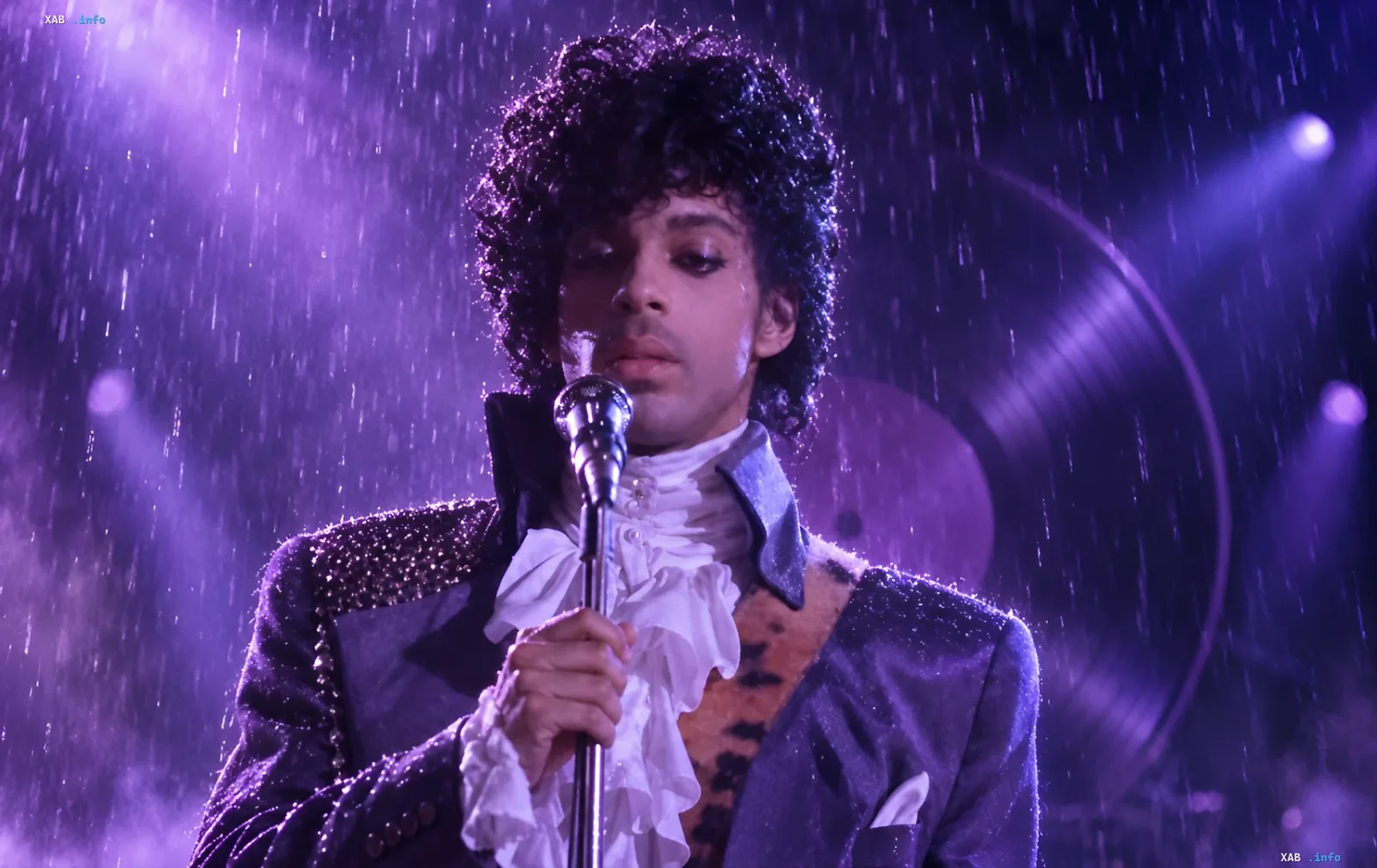
The title literally translates to "purple rain," but over the decades, numerous interpretations have formed around this vivid image. In an essay published on the Library of Congress website, researcher Eddie Santiago links the purple rain to spiritual cleansing and salvation at the end of times. According to an interpretation attributed to Prince himself in a 1998 interview, red blood falling from a blue sky creates a purple rain—a symbol of purity and redemption. However, because the official essay lacks exact source data for this interview, this explanation is best viewed as a credible interpretation by Santiago rather than a definitively verified statement from the artist.Lyrical Content and Dramatic Context
The lyrical narrative evolves from deeply personal remorse to universal themes of reconciliation and acceptance. In the opening verses, the protagonist addresses someone they have hurt, acknowledging changes in their relationship and expressing a desire to bridge the gap. As the track unfolds, the romantic struggle expands into a grander exploration of crisis, friendship, and spiritual renewal. Prince blends elements of rock ballads, gospel, and soul to craft an atmosphere of catharsis, allowing listeners to connect the song with their own journeys through hardship and hope.
Live Origins and Stevie Nicks' Near-Collaboration
Remarkably, the monumental studio sound of Purple Rain was not born in a sterile recording booth but during an impromptu live performance. The track was first recorded live on August 3, 1983, at the First Avenue club in Prince's hometown of Minneapolis, during a benefit concert with The Revolution. This live recording was later refined for the album while preserving its raw energy. Furthermore, the track's history could have looked entirely different: Stevie Nicks of Fleetwood Mac revealed in a December 2013 interview with MOJO magazine that Prince once sent her a ten-minute instrumental cassette asking her to write lyrics, but the sheer scale of the music intimidated her, leading to her refusal.
Contradictory Data
The history and interpretation of the hit contain several nuances requiring critical examination. First, the spiritual interpretation of purple rain as blood falling from a blue sky relies on a 1998 interview whose exact primary source documentation is cited with caveats in library archives. Second, the commercial milestones of the release are frequently conflated: according to the Prince Estate archives, the remarkable achievement of spending 24 weeks at number one on the US Billboard 200 chart applies strictly to the studio album released in 1984, whereas the single followed a different chart trajectory. Finally, while the Stevie Nicks collaboration story is verified by her own accounts, it in no way confirms that the song was romantically dedicated to her.
Cinematic Legacy and Modern Popularity
The 1984 musical drama Purple Rain earned Prince an Academy Award for Best Original Score and cemented his status as a global musical icon. In the film, his character, "The Kid," uses music to navigate family trauma, relationship turmoil, and intense professional rivalry. Decades later, public fascination with the artist's legacy remains unwavering, as demonstrated by millions of streams on platforms in 2026 following the song's feature in television finales, proving the timeless resonance of Prince's genius.