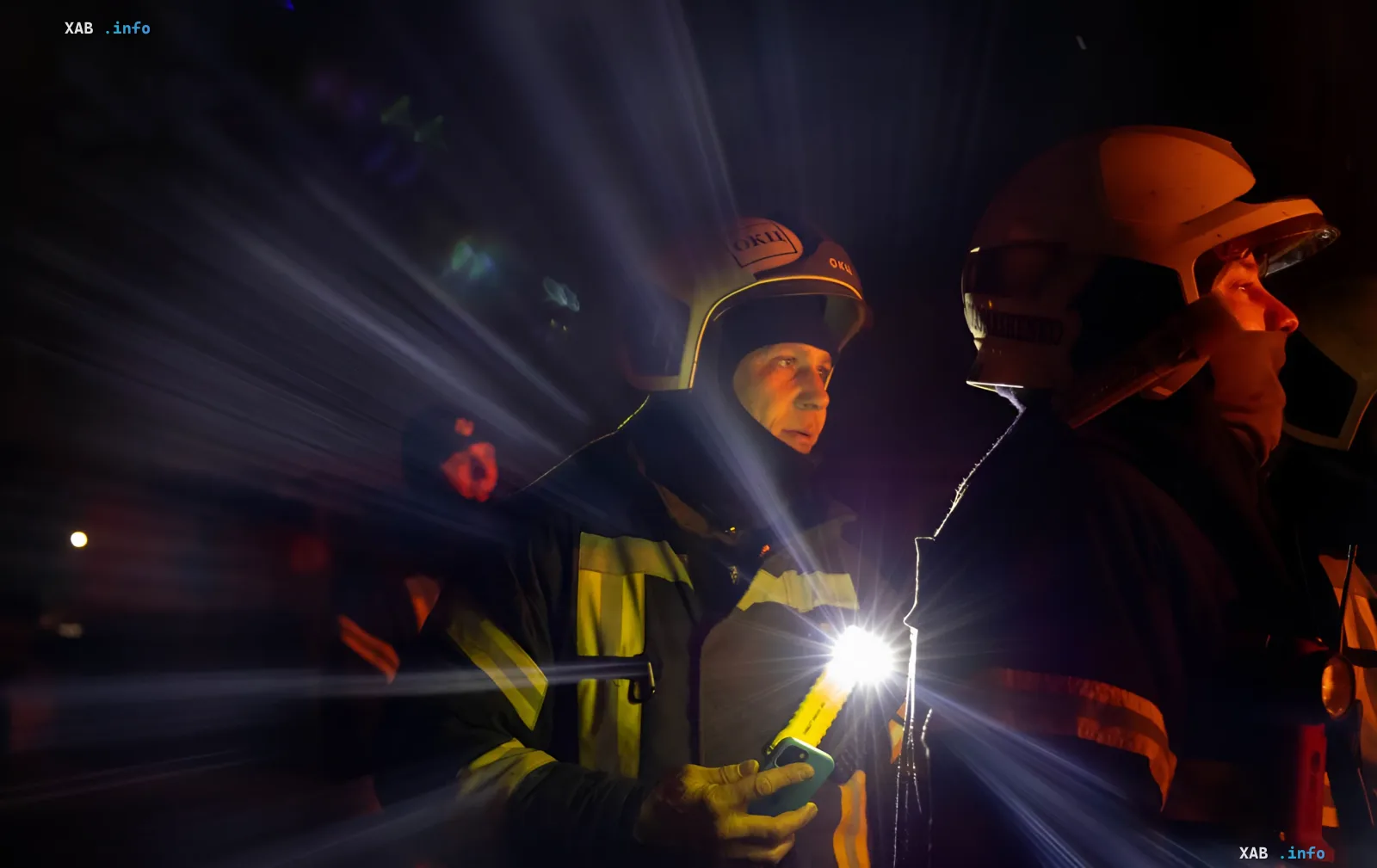
On the night of June 1, a large-scale aerial battle erupted over Ukrainian territory. The Russian Federation launched one of its largest attacks using unmanned aerial vehicles, simultaneously deploying 265 strike drones from multiple directions. The operation began at dusk on May 31 and continued until morning.
Scale and Types of Weapons Used
According to the briefing from the Ukrainian Air Force, cited by RBK-Ukraine, the enemy employed a wide range of drones. The attacking side’s arsenal included well-known "Shaheds," as well as drones of the "Gerbera" and "Italmas" types. Particularly dangerous were the "Parodia" decoy drones, designed to deceive radar detection systems and force air defenses to waste valuable missiles on false targets.
Effectiveness of Air Defense Operations
Despite the enormous number of targets, Ukrainian air defense systems demonstrated high effectiveness. By 08:00, it was confirmed that 228 enemy drones had been destroyed or neutralized. Anti-aircraft crews operated in the north, south, and east of the country, where dense defensive corridors were established.
However, some breaches did occur. 27 strike drones managed to penetrate the air defense shield and reach their targets. Direct hits were recorded at 18 different locations. Additionally, debris from downed drones fell on 12 other sites, which could also have caused infrastructure damage and fires.
The Situation Remains Tense
At the time of this briefing, the air raid alert had not been fully lifted. According to the Air Force, enemy drones are still present in Ukrainian airspace, and air defense operations continue. The operational situation demands unwavering concentration and readiness from defenders to repel new waves of attacks.
Critical Shortage of Ammunition
The backdrop to this night battle is marked by serious logistical challenges. At the end of May, Ukraine received a new launcher for the IRIS-T surface-to-air missile system from Germany. President Volodymyr Zelenskyy thanked Berlin for its support but immediately highlighted the critical shortage of missiles for air defense systems.
Colonel Yuriy Ignat, spokesperson for the Air Force, confirmed an acute deficit of ammunition for systems such as Patriot, NASAMS, and IRIS-T. According to him, launchers in units often remain half-empty. Diplomats and negotiators are forced to literally beg allies for missiles, securing deliveries of just a few units at a time, which poses a threat to the reliability of the country’s air shield.


