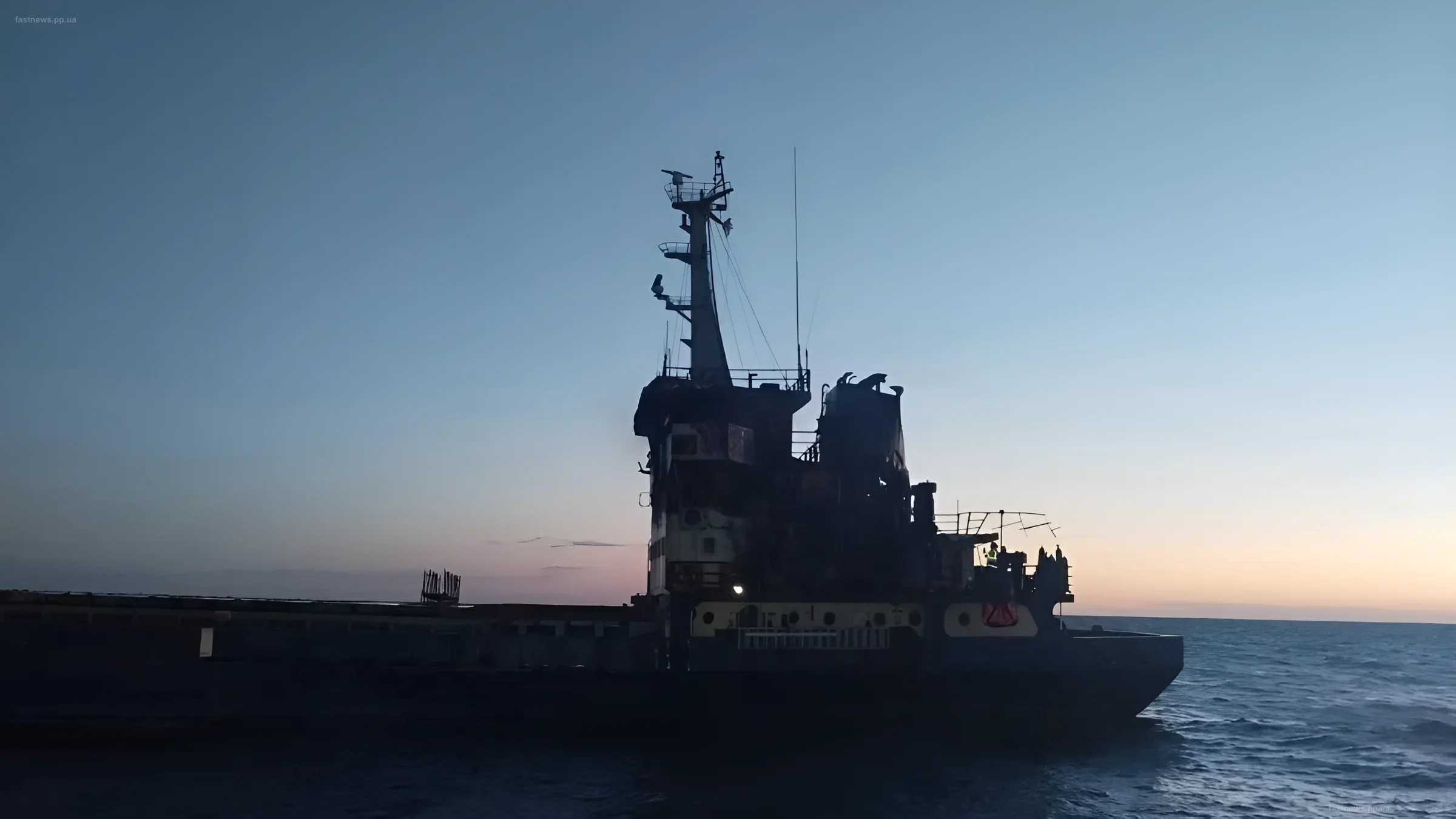
The night leading into Friday was spent on high alert in the Odesa region. The Russian Federation made another attempt to disrupt critical infrastructure and maritime logistics in Ukraine. According to the regional military administration, strikes targeted both energy facilities on land and commercial shipping in the Black Sea.
Energy Front: Consequences for the Population
Air defense systems fulfilled their mission, shooting down the vast majority of enemy kamikaze drones. Nevertheless, it was impossible to completely avoid damage. As a result of the shelling, power lines in the southern part of the region were damaged. Approximately four thousand subscribers were left without electricity. Fortunately, there were no casualties or injuries among the civilian population. Energy workers have already begun restoration work to restore power supply as quickly as possible.
Battle for the Maritime Corridor
Special attention in the report by the Head of the Odesa Regional Military Administration, Oleksandr Kiper, was paid to the situation at sea. Russian unmanned aerial vehicles attacked three merchant vessels sailing through the Ukrainian maritime corridor. The ships flying the flags of Vanuatu, the Comoros, and Panama were damaged in the attack.
Impacts led to fires on the decks. The crews showed restraint and were able to independently localize and extinguish the fires, preventing a critical situation from developing. On one of the ships, two crew members—citizens of foreign states—sustained injuries. Medical assistance was provided on site; hospitalization was not required.
Logistics Remains Uninterrupted
Despite the enemy's aggressive actions, the movement of ships through the maritime corridor continues. The Ukrainian Navy is actively ensuring safety on the route: earlier reports mentioned the evacuation of injured personnel from a Turkish vessel sailing from Odesa. Fires on ships are being localized quickly, allowing logistical chains to remain operational even during wartime.


