As a result of a massive nighttime attack on the Ukrainian capital on October 7, two people were killed in the Darnytskyi district of Kyiv. The Kyiv City Military Administration confirmed the tragic data in a morning update, expressing deep condolences to the families and loved ones of the victims. The incident was part of a large-scale air raid that affected several key districts of the city simultaneously.
Chronology of Night Strikes and Geography of Destruction
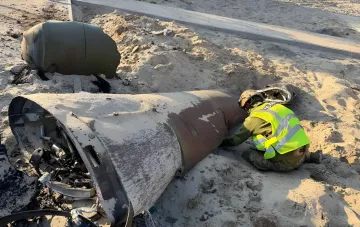
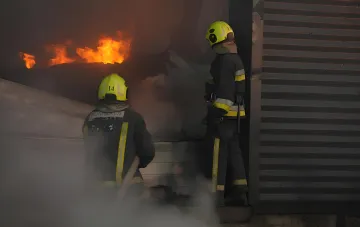
The raid developed in several waves. Throughout the night, Kyiv was subjected to ballistic missile strikes: the first explosions thundered around 03:23, followed by a second wave at about five in the morning. In addition to the Darnytskyi district, where debris fell on an open area and caused a fire, serious consequences were recorded in Obolonskyi, Podilskyi, and Shevchenkivskyi districts. There, falling debris caused damage to non-residential buildings and warehouses.
Intelligence Warning and Scale of Threat
Ahead of the tragedy, Ukrainian authorities and military leadership issued official warnings regarding the preparation of a large-scale strike. On the evening of October 6, President Volodymyr Zelenskyy addressed citizens based on updated intelligence data. Almost simultaneously, increased activity of enemy strategic aviation was recorded: three Tu-160 bombers were raised into the air, and another six Tu-95 aircraft took off from the Olenegorsk airfield at night.
Contradictory Data
It is worth noting that discrepancies appeared in the information space regarding the scale and consequences of the night strike. While official reports from the Kyiv City Military Administration and relevant agencies report two deaths in the Darnytskyi district, a number of alternative sources and regional publications initially transmitted data about one injured person or, conversely, more than ten casualties in the capital region. Such discrepancies in operational information are explained by the complexity of data verification amid ongoing rescue operations and the scale of the combined attack.
Disaster Recovery and Emergency Response
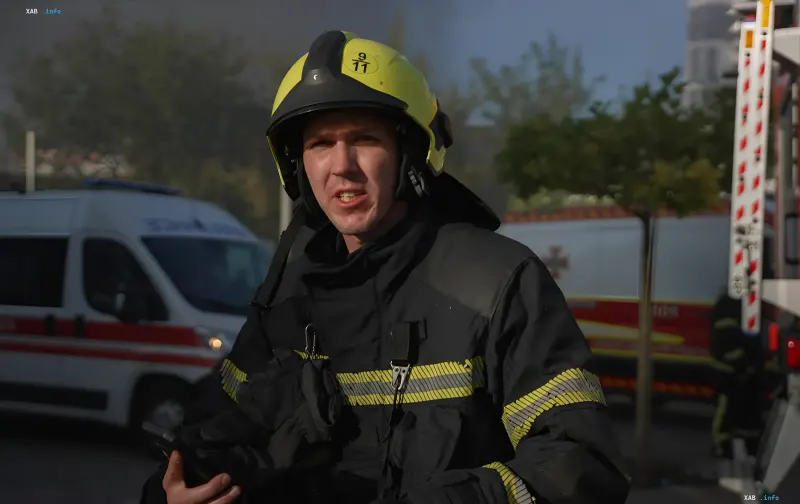
Currently, emergency services, SES rescue teams, and medical crews continue to work at the sites of debris falls and fires. Utility services are involved in clearing rubble and assessing damage caused to infrastructure. Authorities urge citizens not to ignore air raid alerts and to stay in shelters until the threat is officially lifted.