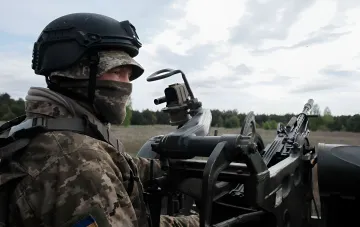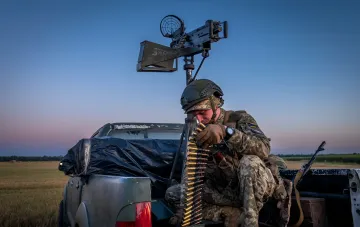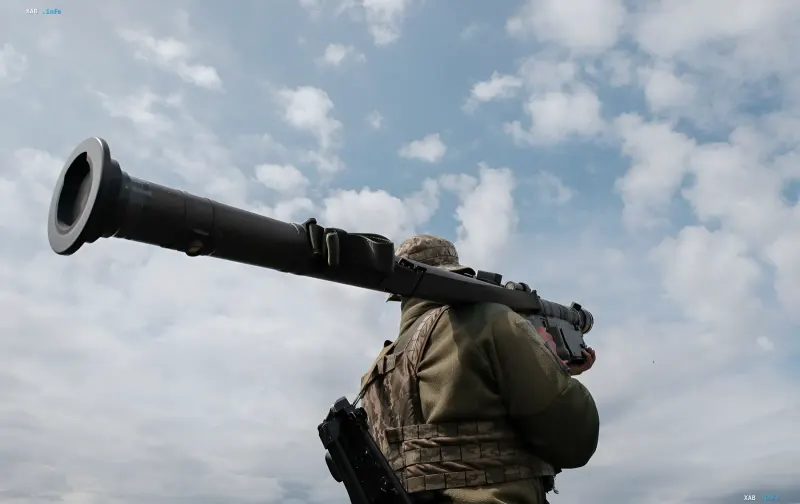
Last night, the Armed Forces of Russia launched a massive combined attack on Ukraine, deploying ballistic and anti-ship missiles, as well as a large wave of attack unmanned aerial vehicles of various types. According to the Air Force of the Armed Forces of Ukraine, missile launches were carried out from the territories of Russia's Bryansk, Voronezh, and Kursk oblasts, while drones were launched from the directions of Oryol, Kursk, Primorsko-Akhtarsk, and Millerovo, as well as from the temporarily occupied territories of Donetsk Oblast and Crimea. The air defense response involved aviation, anti-aircraft missile troops, electronic warfare and unmanned systems units, and mobile fire groups of the Ukrainian Defense Forces.
Missile Component: Ballistics and the Anti-Ship Zircon
According to the Ukrainian Air Force, the enemy used Iskander-M, KN-23, and S-400 ballistic missiles, as well as Zircon anti-ship missiles, as part of the missile element of the attack. The simultaneous use of multiple classes of ballistics combined with anti-ship weaponry indicates an attempt to overwhelm air defense channels while threatening targets in coastal and border regions. Exact launch points, according to the Ukrainian side, were located in the Bryansk, Voronezh, and Kursk oblasts of Russia.
A Wave of 123 Drones
In addition to missiles, Russia launched 123 attack drones. These included Shahed-type drones, among them 73 jet-powered ones, as well as Gerbera, S8000 Banderol/Dan-T, and Parodiya-type decoy drones. The presence of decoys in the attack is characteristic of a tactic designed to overwhelm countermeasures: false targets deplete anti-aircraft missiles and operator attention, creating conditions for combat vehicles to break through. The UAV attack directions covered both Russian territory (Oryol, Kursk, Primorsko-Akhtarsk, Millerovo) and the temporarily occupied territories of Donetsk Oblast and Crimea.
Repelling the Strike and Preliminary Losses
According to preliminary data as of 08:00, Ukrainian air defense worked to shoot down and suppress means of air attack; at the time of publication, exact interception figures were still being clarified. At the same time, it was noted that several enemy attack drones remained in the air and continued to be destroyed. Impacts by enemy air attack weapons were recorded at 17 locations, and wreckage from intercepted targets was found at 18 locations. These data reflect both the efficiency of air defense and the real cost of a portion of the attacking assets breaking through.
Context: Allied Air Defense Reserves
The attack comes amid reports of a reduction in air defense supplies. Western media previously reported that Italy had exhausted its reserves of Aster anti-aircraft missiles for Ukraine. Furthermore, German authorities acknowledged they can no longer supply Ukraine with additional Patriot systems. Combined, these factors make each nighttime strike more dangerous and underscore the reliance of air defense effectiveness on the pace of ammunition replenishment by allies.