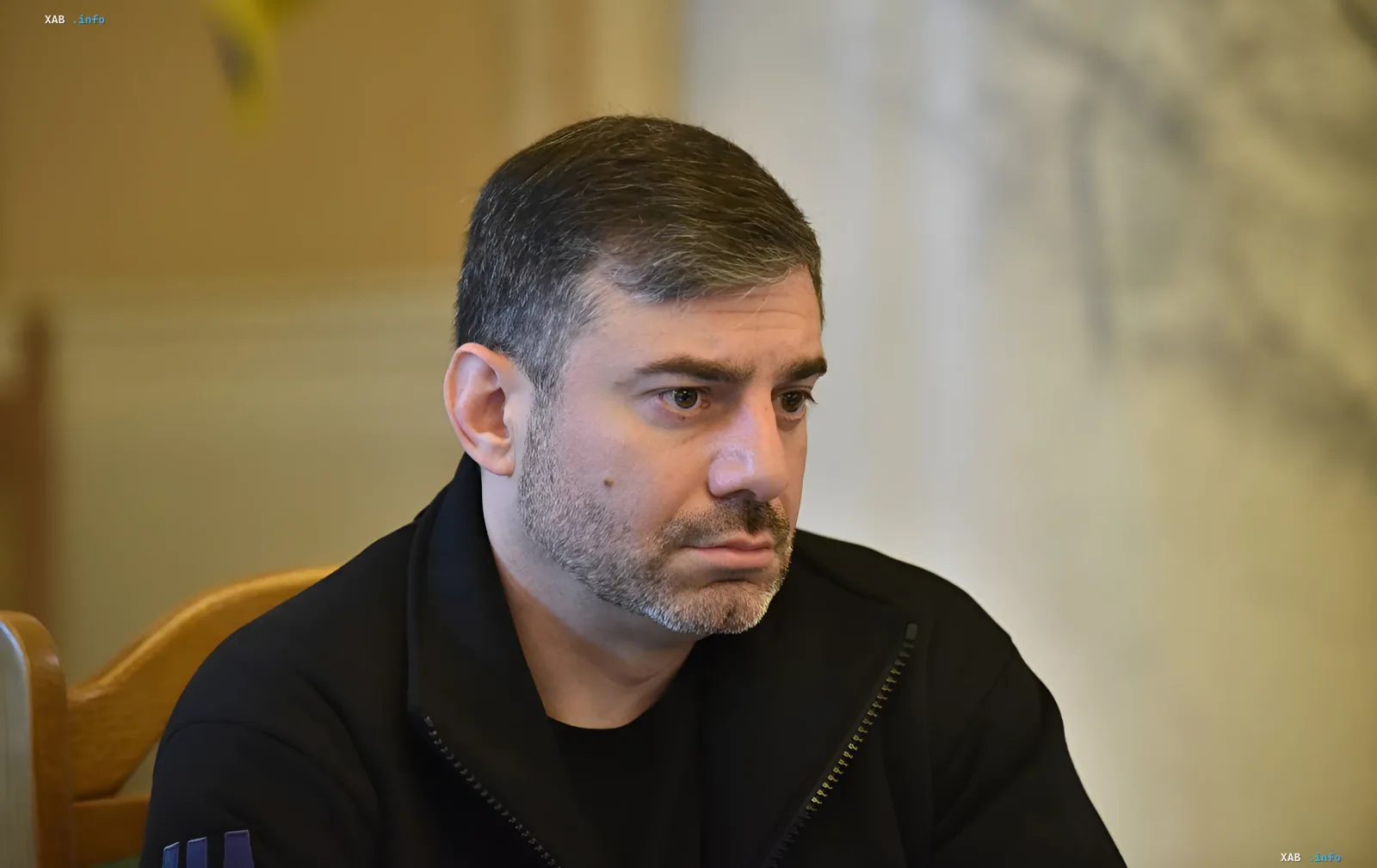
Amidst the ongoing war, Ukraine's education system faces unprecedented challenges. Dmytro Lubinets, the Ombudsman of the Verkhovna Rada for Human Rights, has put forward a controversial initiative: to lower the passing score for the National Multidisciplinary Test (NMT) from 150 to 130 points. According to the Ombudsman, current standards fail to account for the critical circumstances in which applicants are forced to take exams.
Exams Under Threat of Shelling
According to Lubinets, the testing process this year is taking place under the constant threat of air attacks. Applicants face regular interruptions due to air raid sirens, the need to seek shelter, and hours-long waits in basements. The Ombudsman emphasizes that such conditions distort results: the final score often depends not on the student's actual knowledge, but on how fortunate the security situation was on a specific day.
"The right to education cannot depend on technical failures or inadequate organization. The state must adapt the education system to wartime conditions, rather than forcing children to pay for its shortcomings with their own future," Lubinets stated.
Regional Specifics and Infrastructure Problems
The security situation during the NMT varies by region. Monitoring data shows that only a third of regional testing centers have full-fledged shelters. Meanwhile, in the most dangerous regions, such as Sumy and Kharkiv oblasts, exams are conducted in shelters 100% of the time. In Mykolaiv, Chernihiv, and Cherkasy oblasts, this figure is around 90%, in Kyiv — 70%, and in Rivne — 50%.
However, statistics on testing centers do not reflect the full picture. During 138 monitoring visits to schools in 2025, the Ombudsman's team found that most school shelters do not meet safety requirements, and in some educational institutions, there are none at all.
Odessa Tragedy: 13 Hours in the Basement
A striking example of a critical situation occurred in Odesa on June 8. Due to constant air raids, graduates were forced to stay at the testing center for more than 13 hours. Children spent this time in a shelter without proper conditions, unable to contact their parents. This sparked a wide wave of public outrage.
As a result of the incident, 105 out of 1,349 applicants in the Odesa region filed applications to participate in an additional session, as they were unable to take the exam fully within the allotted time.
Reform Proposals
The initiative to lower the passing score has found support in the professional community: it is shared by the Union of Rectors of Higher Education Institutions of Ukraine. In addition to changing admission criteria, Dmytro Lubinets has addressed the government and the Ministry of Education and Science with a number of proposals to improve the organization of the process.
The key problem pointed out by the Ombudsman is that technical failures and organizational errors deprive children of the opportunity to realize their right to education. Under current conditions, the system must become more flexible and humane so as not to become an obstacle for the future generation.


