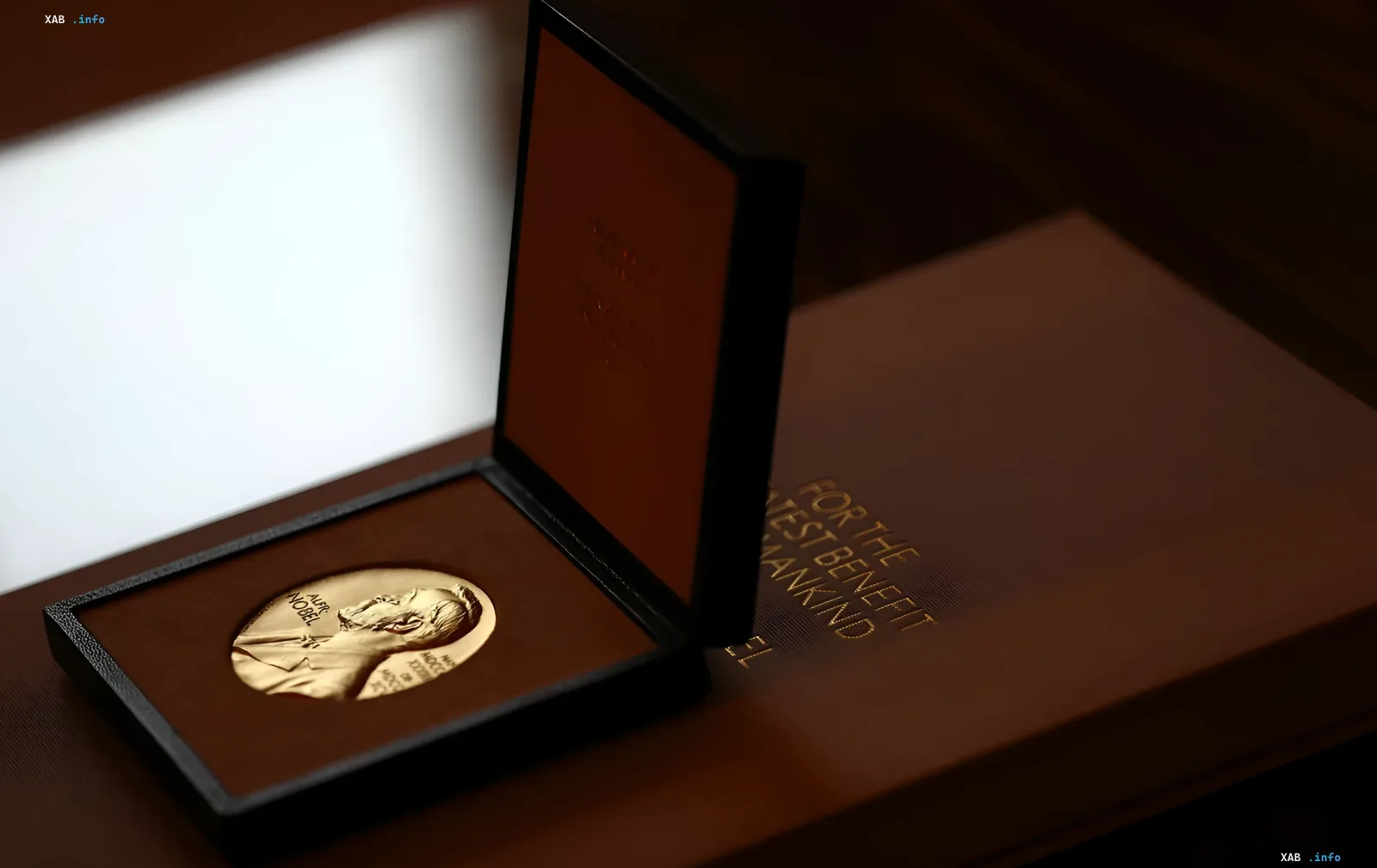
On October 8, 2026, the Nobel Committee officially announced the laureate of the Nobel Prize in Literature. The prestigious award was granted to renowned Canadian writer Anne Carson. The Swedish Academy commended her bold and inventive body of work, which engages in a playful dialogue with classical tradition to establish entirely new standards for modern literature.
Biography and Academic Path of the Laureate
This year's laureate, Anne Carson, was born in Toronto in 1950. Her creative and academic path is deeply rooted in classical philology. In 1981, she successfully defended her doctoral dissertation titled Odi et Amo Ergo Sum, after which she spent decades successfully combining the creation of profound poetry, academic pursuits, and literary translation. Carson has taught at leading higher education institutions across North America, including McGill University, the University of Michigan, and Princeton University, where she worked from 1980 to 1987.
Throughout her distinguished literary career, the writer has received numerous prestigious awards and fellowships. She became a Guggenheim Fellow in 1998 and received the MacArthur Fellowship in 2000. Her poetry collection Red Doc> earned her the prestigious Griffin Poetry Prize in 2014, cementing her status as one of the most influential poets of the 21st century.
Philological Origins and Esthetics of Creation
Anne Carson's literary legacy is built upon a unique intersection of two fundamental drives: a philologist's obsession with the internal structure of words and a poet's aspiration to imbue familiar concepts with entirely new meanings. The writer herself has repeatedly emphasized that etymology serves as the starting point for each of her works. Utilizing classical imagery of antiquity, she reinterprets them within the context of contemporary civilization's challenges.
Contradictory Data
During the coverage of the current Nobel Week, certain discrepancies emerged in the media space regarding past laureates of the prize. While official archives of the Nobel Committee and recent reports document the award being given to Hungarian writer László Krasznahorkai in the previous cycle, some third-party sources and archived publications mistakenly attribute past victories to other authors, such as Alice Munro. Nevertheless, the ongoing official 2026 ceremony focuses exclusively on recognizing Anne Carson's achievements.
Significance of the Prize and Further Nobel Week Schedule
The Nobel Prize in Literature is traditionally awarded for an author's entire life's creative output rather than a single work, although the committee always highlights key books. Notably, the current Nobel Week kicked off on October 5 with the announcement of the laureates in physiology or medicine, who were Karl Deisseroth, Peter Hegemann, and Georg Nagel for breakthrough discoveries in optogenetics. Tomorrow, the academic world awaits the announcement of the Peace Prize laureates, and the cycle will conclude traditionally with the Economics Prize.