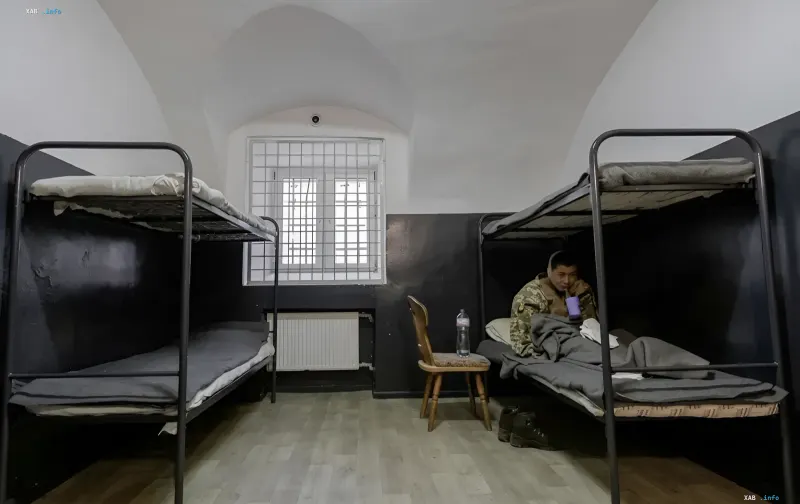
South Korea’s National Intelligence Service (NIS) has made a high-profile statement at a briefing for the parliamentary intelligence committee, revealing new details surrounding the transfer of two captive North Korean soldiers. According to Seoul's intelligence, the initiative to keep the process strictly confidential initially came from the Ukrainian side. Kiev allegedly feared that public coverage of this sensitive issue could disrupt or negatively impact future prisoner-of-war exchanges between Ukraine and Russia.
Background and Details of Diplomatic Agreements
Opposition People Power Party lawmaker Yu Yong-ha, who attended the closed briefing, detailed the agency's position. According to him, the NIS, in close coordination with South Korea's Ministry of Foreign Affairs, conducted negotiations with Ukrainian counterparts based on a mutual understanding of confidentiality. The parties agreed through several independent communication channels not to bring the repatriation of the two North Korean servicemen into the public domain. The North Korean soldiers who arrived in South Korea in mid-September had no serious health issues, facilitating their integration and further work with local security agencies.
Public Disclosure and Seoul's Reaction
The situation changed dramatically on September 23, 2026, when Ukrainian President Volodymyr Zelensky openly announced the transfer of two North Korean captives to Seoul during his speech at the UN General Assembly. The very next day, South Korean President Lee Jae-myung publicly accused Kiev of violating prior non-disclosure agreements, describing the repatriation issue as extremely sensitive for national security and diplomacy. Representatives of the South Korean leader's administration emphasized that Zelensky disclosed the information unilaterally, without coordinating wording and without prior consultations with Seoul.
Contradictory Data
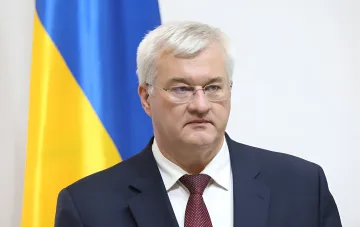
Significant discrepancies remain in the positions of the two states in this diplomatic history. While Seoul insists on a severe breach of agreements by Ukraine, a high-ranking source in the Office of the President of Ukraine flatly denied the existence of any promises to hide the mere fact of the transfer. Kiev emphasized that only the general fact of the completed transfer was made public without disclosing operational details and routes. Nevertheless, tensions continued to mount, and on September 28, the South Korean Foreign Ministry summoned acting Ukrainian Ambassador Andriy Veshkin, demanding official explanations and apologies amid the unfolding scandal.