Amid the growing threat from Russia, Norway, Finland, and Poland are expanding civilian military training programs. Citizens are being taught weapons handling, urban combat tactics, drone usage, and first aid for the wounded. According to RBC-Ukraine, this represents a systemic overhaul of defense doctrines in several Northern and Eastern European countries, where state defense is increasingly shifting away from relying solely on regular armed forces.
Norway: 2026 Declared the Year of “Total Defense”
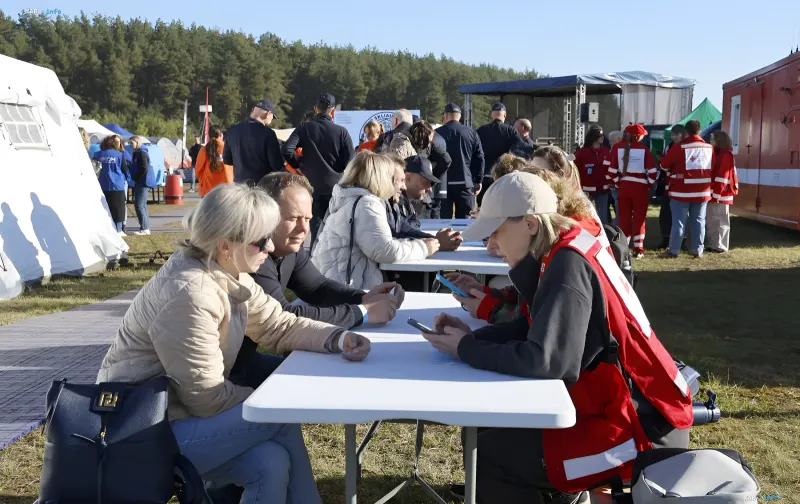
In Norway, 2026 has been officially declared the year of “total defense.” Under this concept, not only the military, but also state institutions, businesses, and the entire population are expected to contribute to national security. The key instrument is the Home Guard (Heimevernet), which numbers over 40,000 personnel—nearly double the size of the regular army, which has 23,000 active-duty service members. Reservists include lawyers, electricians, bankers, insurance agents, and farmers; many of them leave their jobs once a year for military training exercises. In September, Oslo hosted the largest Home Guard exercises of the year, involving approximately 5,000 armed reservists. “We are standing in the way of the Russians,” former Prime Minister Erna Solberg said in an interview with SZ, emphasizing that Norway shares a nearly 200-kilometer border with Russia.
Poland: From Weekend Courses to School Shooting Ranges
Poland currently runs several military training programs for citizens. The “In Readiness” initiative offers weekend basic military training and evacuation classes for volunteers: in the first weeks after the program's launch in 2025, about 18,000 people signed up. The second initiative, “Train with the Army,” provides professional instruction led by military personnel, teaching volunteers weapon handling, grenade throwing, and other tactical skills. In several cities, demand was so high that waiting lists had to be created. Basics of military affairs are also taught in schools: teenagers learn first aid, survival in extreme conditions, and how to act during an armed conflict, with shooting training introduced for those aged 14 and older.
Broader Context: Europe Prepares Society for Conflict
The Norwegian and Polish cases fit into a broader European trend. As Russian and European media have previously noted, Europe openly acknowledges preparations for a potential armed conflict with Russia: specifically, the European Parliament stated the EU's readiness for such a scenario, while British authorities reportedly estimated the preparation window for war at just over 1,000 days. The Baltic states are also preparing for conflict, according to various reports, factoring in scenarios where U.S. support might be delayed. Against this backdrop, statements by the Russian leadership regarding readiness for war with Europe and claims that European voters allegedly oppose such a conflict only highlight the contradiction between Moscow's official rhetoric and its neighbors' actual policies.
Thus, the expansion of civilian military programs in Norway, Finland, and Poland reflects a shift in Europe's defense strategy: moving from deterrence by regular armies to a “total defense” model where every citizen is seen as a potential link in the security chain. The scale of exercises, growing numbers of volunteers, and integration of military training into school education indicate that countries in the region are establishing long-term readiness mechanisms for potential conflict.