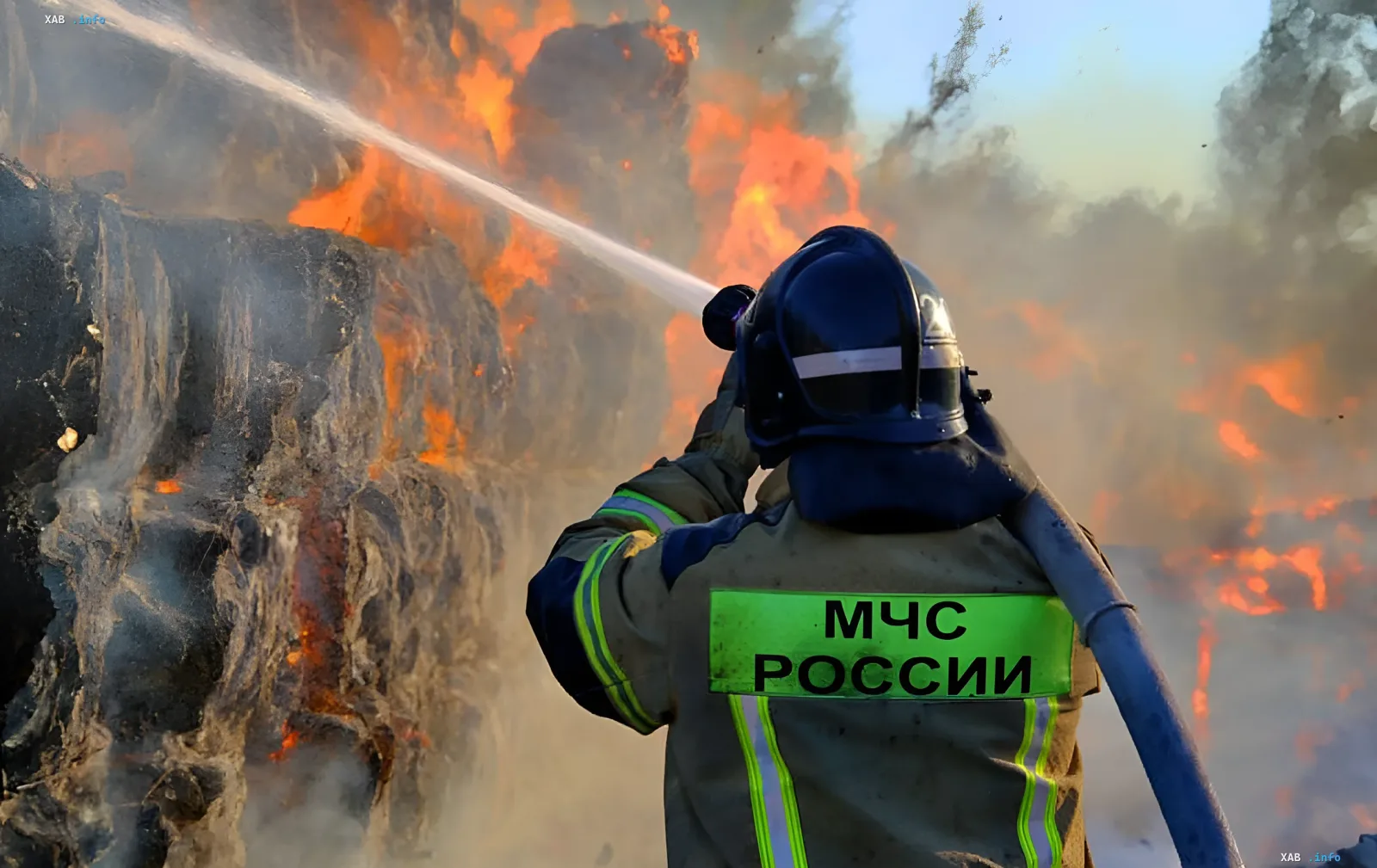
The night of June 26 became a time of unprecedented tension for Novomoskovsk in the Tula region. The city was subjected to a massive attack by unidentified unmanned aerial vehicles. The main target of the strike was a strategically important facility — the 'Azot' chemical combine.
Chronicle of the night attack
According to local residents, explosions continued throughout the night. Residents describe the situation as chaotic and frightening: the sounds of explosions followed one another at a high frequency. According to OSINT communities and posts in Russian Telegram channels, the 'Azot' chemical plant was indeed hit.
After the active phase of the attack ended, reports of specific consequences began to appear on social media. Citizens complained of a sharp smell of ammonia hanging in the air, as well as power outages. Despite the active discussion of the situation on social media, local authorities refrained from commenting on the scale of the consequences for a long time.
Official reaction and air defense data
The Governor of the Tula region, Dmitry Milyaev, confirmed the fact of the attack in his Telegram channel. In his message, he noted that as a result of the drone strikes, damage was recorded on power lines and on the territory of an industrial enterprise in Novomoskovsk. Emergency services continue to work at the scene.
Separately, the head of the region reported on the work of the air defense system. According to him, 73 drones were shot down in the sky over the region. These figures indicate the scale of the attempt to break through the region's air defense.
Strategic significance of the facility
The 'Azot' chemical combine in Novomoskovsk is one of the key industrial enterprises in Russia. The plant specializes in the production of ammonia, nitric acid, methanol, and mineral fertilizers. However, its significance goes beyond the civilian sector: chemical raw materials used to create explosives and ammunition are produced here.
This is not the first attempt to strike this facility. On the night of June 14, the Tula region was already subjected to a drone attack, as a result of which the 'Azot' plant was hit, leading to a fire. A repeated strike two weeks later indicates targeted pressure on the region's industrial infrastructure.
Context of escalation
The attack on Novomoskovsk is taking place against the backdrop of a general increase in activity in the sky over Russia. According to a report by the Russian Ministry of Defense, on the night of June 24, almost 20 regions of the country were simultaneously hit by drones — from border areas to the Moscow region.
In the political context, these events coincided with a statement by Ukrainian President Volodymyr Zelenskyy. The day before, he announced the start of a 40-day operation by the Security Service of Ukraine (SBU) aimed at influencing Russia to encourage the end of the war.


