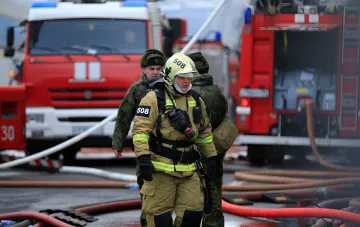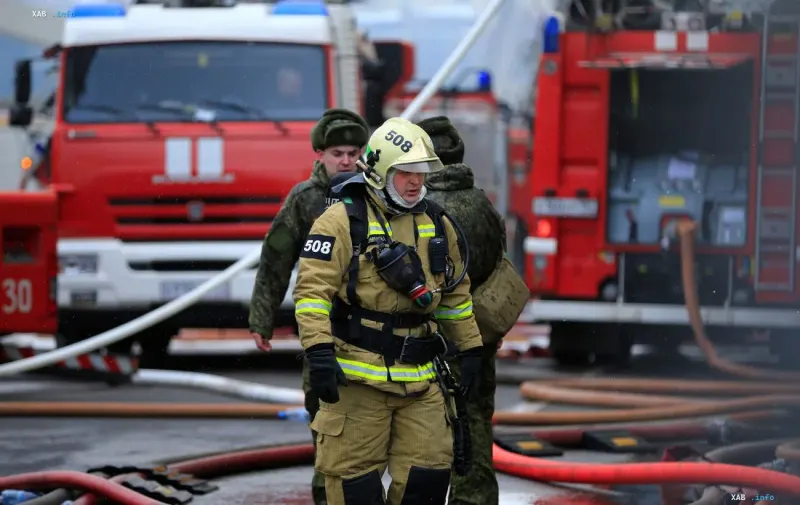
On the night of November 28, 2026, the Novoshakhtinsk oil refinery in Russia's Rostov region was targeted by a drone attack for the second time in a week. Local residents reported a series of explosions, followed by a massive fire breaking out on the facility's grounds, likely involving fuel storage tanks.
Chronology of the night strike and consequences
According to local Telegram channels and regional media reports, the strikes were carried out by heavy drones. Eyewitnesses documented a powerful glow in the sky over Novoshakhtinsk. The situation at the plant is described as difficult, with emergency services operating in enhanced mode to extinguish the blaze.
Simultaneously on the same night, the Samara linear production and dispatch station in the Samara region came under attack. The exact extent of the damage at the Samara facility is currently being verified by specialized agencies.
Background and scale of previous destruction
Commissioned in 2009, the Novoshakhtinsk refinery has a design capacity of 5.6 to 7.5 million tons of oil per year and is a major supplier of petroleum products in southern Russia. The plant has repeatedly been targeted, including on the night of November 23, when the Ukrainian General Staff reported the destruction of 20 horizontal tanks, damage to dozens of other containers, and a pipeline section.
Satellite imagery after the November strikes confirmed that protective containers failed to prevent fires and damage to primary oil refining units. The plant is connected to Transneft's trunk pipeline system, making it a logistics hub of regional significance.
Significance of infrastructure objects and overall situation
Regular strikes on Russian oil refineries and trunk pipeline nodes significantly affect fuel logistics and processing volumes. Alongside Novoshakhtinsk and the Samara LPDS, other fuel and energy complex facilities in Russian regions were targeted in late November.
Further developments depend on the ability of repair teams to restore damaged tanks and technological chains amid the ongoing series of attacks. Experts note the vulnerability of large distribution and processing capacities to unmanned aerial vehicle strikes.