

A historic event took place in Paris that could alter the security architecture of the continent. Poland and France held the first meeting of a special coordination group on nuclear cooperation. This is not merely a diplomatic formality but a response to growing threats in the region and the implementation of French President Emmanuel Macron's initiative on extended deterrence.
A New Concept of Protection
According to the Polish Ministry of Foreign Affairs, the consultations represent a practical step to strengthen the defense of the entire continent. Paris is offering European partners a new concept of protection that does not imply the creation of a single European nuclear weapon. Instead, the focus is on shared nuclear responsibility. Warsaw and Paris aim to strengthen their defense partnership, making Poland's role in this process increasingly significant.
Response to Russian Aggression
An official statement from the Polish Ministry of Foreign Affairs clearly outlined the context of the meeting. The delegations focused on current security issues against the backdrop of Russian aggression against Ukraine. The parties identified directions for further negotiations aimed at strengthening the security not only of the two countries but of all of Europe. The dialogue will not be limited to a single meeting—plans for future cooperation have already been established.
France's Nuclear Arsenal
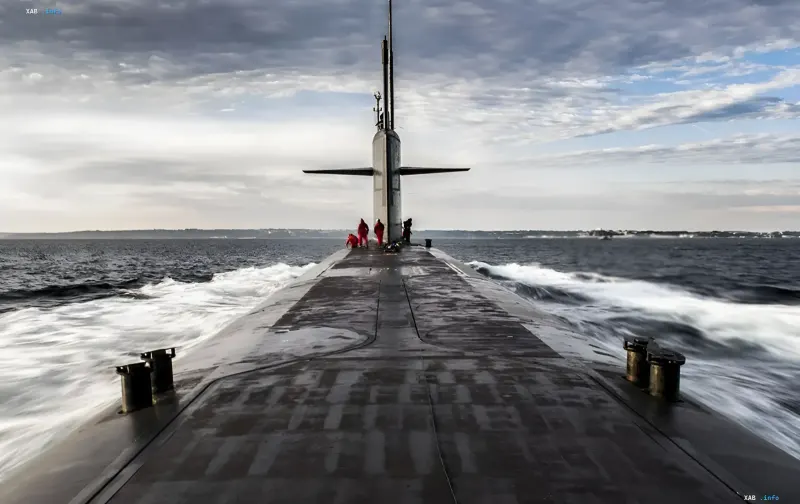
France remains the only country in the European Union possessing nuclear weapons. The uniqueness of the French arsenal lies in the absence of a land-based component: all missiles are deployed on ships, submarines, and aircraft. Paris has more than 300 nuclear warheads at its disposal, and the country has officially announced plans to increase this arsenal.
Changing Status in Europe
Events in Poland and France are occurring against the backdrop of a general trend in Europe. Non-nuclear countries are increasingly re-evaluating their status following the start of the full-scale war in Ukraine. Recently, the President of Lithuania announced the abolition of the constitutional ban on nuclear weapons. Finland took a similar step: the country's president signed amendments to the nuclear energy law, which finally allowed the import, transit, and storage of nuclear weapons on its territory as part of integration into the NATO defense system.


