
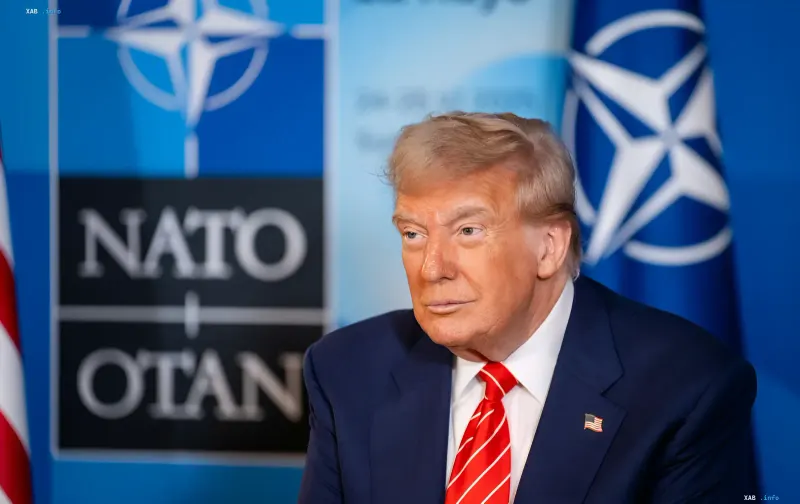
Amid geopolitical tensions and shifts in Washington's military strategy, NATO has begun confidential discussions on expanding its nuclear sharing program. According to the Financial Times, US officials are prepared to consider deploying nuclear weapons in additional European countries, going beyond the current list of six nations.
New Round of Negotiations in the Alliance
Three sources familiar with the discussions confirmed that the US is considering deployment options in countries that currently do not possess dual-capable aircraft (DCA) capable of carrying nuclear warheads. While the publication notes that negotiations are highly classified and may not lead to actual changes, the very fact of their conduct is intended to demonstrate Washington's unwavering commitment to its allies.
The key driver of these discussions is the US desire to confirm the reliability of its "nuclear umbrella" at a time when European partners are forced to take on an increasing burden of conventional defense of the continent.
Who is Showing Interest?
The greatest interest in expanding the nuclear presence has been shown by states located in close proximity to Russia's borders. Primarily, this refers to Poland and the Baltic states. This request was prompted by Russia's invasion of Ukraine and Vladimir Putin's regular statements about the Kremlin's readiness to use its nuclear potential.
Warsaw has repeatedly stated its desire to host US weapons. Former Polish President Andrzej Duda publicly called for the DCA initiative to be extended to Polish territory. Furthermore, this year Poland joined the French initiative to study the possibility of temporarily moving parts of nuclear deterrence assets to allied countries.
How Does the Program Work Now?
Currently, six countries participate in NATO's nuclear sharing program: Belgium, Germany, Italy, the Netherlands, Turkey, and the United Kingdom. In these states, the deployment of US forward-based bombs is permitted. It is important to note that the storage and guarding of the weapons are carried out exclusively by US military personnel, and the right to authorize their use remains solely with the US.
Allied air squadrons, equipped with F-35, F-15, and Tornado fighters, regularly undergo training to participate in missions demonstrating combat readiness and the potential dropping of bombs on Washington's orders.
Alarm Over Trump's Strategy
The relevance of the issue of expanding nuclear presence has intensified against the backdrop of decisions by the Donald Trump administration. The cancellation of the planned deployment of key weapon systems in Europe and the beginning of troop withdrawals have caused serious concern among NATO allies. Alliance countries fear that redirecting assets to Asia and other regions could create dangerous gaps in the continent's defense.
Although European partners have pledged to sharply increase defense spending and invest in conventional weapons, the US nuclear umbrella remains an indispensable element of security for them.
NATO's Position
NATO Secretary General Mark Rutte, speaking after a meeting of foreign ministers, emphasized that there is a common understanding in the alliance: even if the US focuses more on other theaters of war, deterrence and defense in Europe must remain unchanged.
"Let me speak absolutely clearly. If anyone were foolish enough to attack us, the response would be devastating," Rutte declared, trying to calm the nerves of allies. Nevertheless, discussions about how much reliance can be placed on American guarantees under current conditions continue in Europe.


