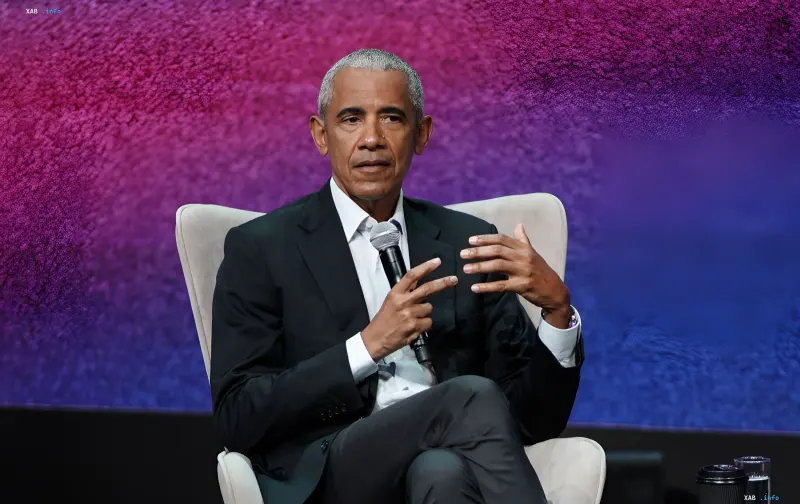
Former U.S. President Barack Obama launched a scathing critique of Donald Trump administration's foreign policy course, accusing the White House of betraying allies and making concessions to Moscow. The statement was made during Obama's speech at a Democratic Party campaign rally, where the former president made no secret of his outrage over the current administration's approach to Russia's war against Ukraine and relations with Washington's traditional partners.
Key Accusations: From Canada to Ukraine
The central element of Obama's speech was a phrase he delivered, according to Nexta and RBK-Ukraine: "While we are distancing ourselves from key allies such as Canada, the White House is kneeling before Putin and betraying the Ukrainians who are fighting for their freedom and democracy." The former president stressed that abandoning allies and making concessions to the Kremlin contradict basic U.S. values and strike a blow against global security, as well as America's own standing on the international stage.
Context: Not the First Voice Within the Democratic Party
Obama's speech was a continuation of a series of public critical statements by former U.S. leaders. Bill Clinton recently stated that Trump "essentially betrayed his ally Ukraine and went over to the enemy's side—Russia." According to Clinton, "Last week, President Trump finally did what he threatened to do during his very first presidential campaign: he abandoned Ukraine and went back to Vladimir Putin's side." Obama, in turn, focused on the deterioration of relations with nations that have remained Washington's closest partners for decades, primarily mentioning Canada.
Hillary Clinton's Version: Kompromat as a Motive
Former U.S. Secretary of State Hillary Clinton added another perspective to the criticism of the White House. In her view, Trump's concessions to Moscow can be explained by compromising material ("kompromat") that Vladimir Putin likely holds. This version, although not documentarily confirmed, has become part of a broader discussion within the Democratic Party about the motives behind the current administration's foreign policy decisions.
What This Means for the International Agenda
The public statements of three former top U.S. officials—two presidents and a secretary of state—generate domestic political pressure on the Trump administration and signal a deep split in the assessment of foreign policy. For Ukraine and other allies, such speeches mean that a significant pool of voices remains within the American political system advocating for the preservation of long-standing alliances and support for states fighting for independence. At the same time, observers note that while rhetorical statements by former presidents do not change the White House's current policy, they set the tone for the election debate and influence public perception of the administration's course.