
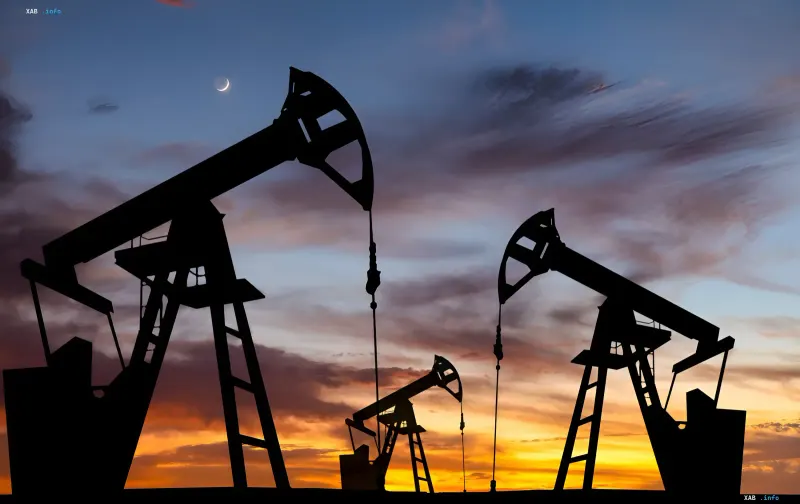
Global markets faced a sharp correction: oil prices fell to their lowest level in the last four months. The signal to retreat came from geopolitics — following indirect negotiations between the US and Iran in Qatar, investors began massively dumping assets, fearing a reduction in regional tensions.
Sharp Drop in Quotes
Trading took place under the sign of decline. Brent crude futures fell by 77 cents, or 1.1%, dropping to the mark of $70.80 per barrel. The American benchmark West Texas Intermediate (WTI) showed an even more significant decline: down 84 cents or 1.2%, setting the price at $67.74 per barrel.
Experts link this drop to the fact that the cessation of mutual shelling between Washington and Tehran has returned prices to almost the level at the start of the conflict. The market, which previously factored in the risks of closing key sea routes, is now adjusting its expectations towards stability.
Forecast Adjustments and OPEC+ Plans
In response to the changing situation, major financial institutions are revising their long-term forecasts. The Swiss holding UBS on Thursday significantly lowered its estimates for the cost of Brent crude. Analysts cite the memorandum of understanding between the US and Iran, as well as the restoration of shipping volumes through the strategically important Strait of Hormuz.
According to new UBS calculations:
- The forecast for the average price of Brent in September has been lowered by $25.
- The estimate for the December quarter has been reduced by $10.
- It is expected that in the second half of the year, the average price will be $80 per barrel, and by 2027 it will drop to $75.
Parallel to this, according to Reuters sources, OPEC+ alliance countries may agree in August to resume production growth. An increase in volumes of approximately 188,000 barrels per day is planned, which will add pressure to prices in the context of a weakening geopolitical premium.
Situation at Negotiations and Shipping Safety
The reason for the market reaction was a round of indirect negotiations that ended on July 1 in Qatar. US President Donald Trump stated that progress was made on the issue of Tehran's nuclear disarmament. However, despite positive signals, serious financial and territorial disputes remain between the countries, requiring further resolution.
The key factor that calmed the market was the confirmation of the safety of sea routes. According to the US Central Command, shipping through the Strait of Hormuz remains open. Nevertheless, despite the price drop, market participants remain cautious, awaiting further steps to implement agreements.


