

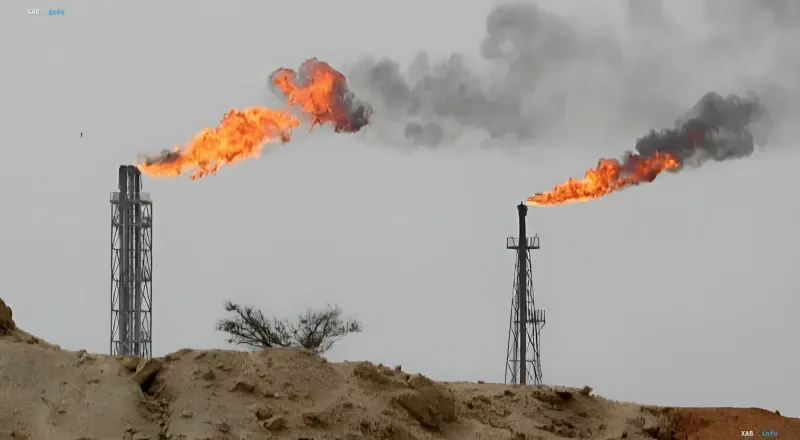
On July 2, 2026, the global energy market experienced a significant correction. Oil prices fell to their lowest level in the last four months, marking the third consecutive day of decline. The main driver of the drop was not an economic recession, but a geopolitical thaw: official statements regarding progress in negotiations between the US and Iran convinced investors that the threat of a Strait of Hormuz closure is receding.
Reuters reports that a key factor was confirmation from the Ministry of Foreign Affairs of Qatar. In Doha, "positive progress" was achieved during indirect consultations between technical delegations from Washington and Tehran. The market reacted instantly, shedding the geopolitical risk premium that had previously kept prices high.
Drop Figures: How Quotes Changed
As of July 2, major global benchmarks showed a confident decline. Traders adjusted prices down by more than 1%, reacting to the reduced probability of a long-term disruption of transit through the Strait of Hormuz. Approximately 20% of the world's liquid hydrocarbon consumption passes through this strategic choke point, so any news regarding its security directly impacts global prices.
Exchange trading data looks as follows:
- Brent Crude (ICE): cost fell to $70.80 per barrel. The absolute decrease was 77 cents, equivalent to a 1.1% drop.
- WTI Crude (West Texas Intermediate): quotes plummeted to $67.74 per barrel. The drop here was slightly sharper — 84 cents or 1.2%.
According to exchange trading rules, the normalization of the situation in strategic straits triggers the automatic closing of speculative long positions. Investors are locking in profits, returning the value of futures contracts to their fundamental values, stripped of panic.
Diplomatic Breakthrough in Doha
The Qatari foreign ministry verified the holding of technical rounds of negotiations. They included American representatives, including special envoys Steve Witkoff and Jared Kushner, as well as the Iranian delegation. The process took place with the mediation of Doha and Islamabad. The sides are discussing mechanisms for implementing a memorandum of understanding (MOU), which should record the suspension of the active phase of the regional conflict.
However, the path to a full agreement is not without difficulties. The positions of the sides remain rigid:
Tehran, through the head of the delegation Mohammad-Bagher Ghalibaf, put forward clear demands. Iran insists on the unfreezing of frozen assets totaling more than $6 billion. Furthermore, Tehran demands the fulfillment of interim agreement points before moving to high-level direct meetings. The agenda also includes resolving the tense situation in southern Lebanon.
Washington assesses the current situation as stable. US Vice President JD Vance stated that the administration is aiming for a pragmatic result. The main goals of the American side are the exclusion of escalation risks and the halt of the development of the Iranian nuclear program.
Regional Consequences and Macroeconomics
The impact of diplomatic progress is already being felt in the region's domestic market. The Government of the United Arab Emirates (UAE), reacting to the stabilization of supplies, announced a reduction in retail prices for gasoline and diesel fuel for July 2026. This confirms the general trend of cooling in the commodity market and reducing costs for end consumers.
However, in addition to geopolitics, fundamental macroeconomic factors influence investor sentiment. A significant influence is exerted by the slowdown in oil import rates from China. Analysts forecast that reduced demand from China could decrease global consumption growth by 1.0–2.0 million barrels per day in the second half of 2026. The combination of this factor with diplomatic successes creates pressure on prices, making their decline a natural consequence.


