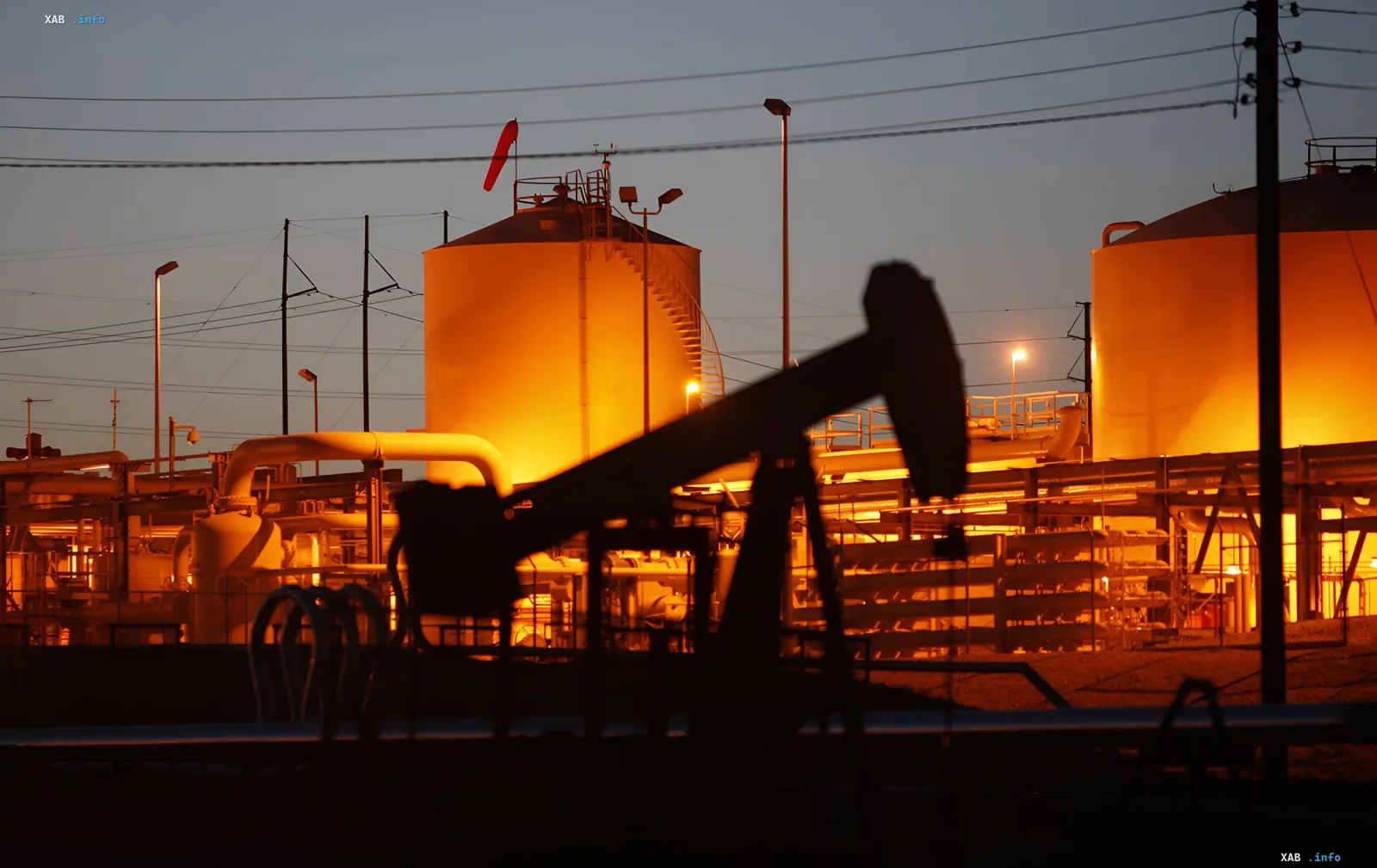
Global markets reacted instantly and wildly to the news of a preliminary peace agreement between the US and Iran. As soon as the agreements became known, energy prices fell, while stock indices, conversely, surged. However, behind this optimistic surge lies a complex reality that experts urge to consider: millions of barrels of oil will not appear at European gas stations overnight.
The market reacted faster than logistics
Donald Trump's statement about peace became a signal for the exchanges. The cost of the benchmark Brent grade plummeted below 80 euros per barrel, reaching minimum values since the beginning of March. Futures for this grade of oil fell by 4.7%, dropping to $83.25. American West Texas Intermediate oil showed an even sharper decline — by 5.1%, to $80.53 per barrel.
These figures immediately became noticeable in Europe and Ukraine, where fuel prices at gas stations began to be adjusted downwards. But analysts warn: market euphoria can be deceptive.
Physical deficit and destroyed infrastructure
The main problem lies not in politics, but in the physics of supply. According to research company Kpler, due to the ongoing conflict, the global market is missing about 12 million barrels of oil daily. Even in the most favorable scenario, by the end of August, this deficit will shrink only to 2.6 million barrels per day.
Experts expect a full resumption of supplies from key regions, such as Iraq and Kuwait, no earlier than December. Destroyed infrastructure and logistics hubs require time for restoration, which cannot be compressed by the will of politicians.
Mines in the Strait of Hormuz: the main threat
A critical factor remains the physical safety of sea routes. After the attacks in February, Iran mined huge sections of the strategically important Strait of Hormuz. Clearing waterways is a laborious and dangerous process. Specialists estimate the demining period from several weeks to six months.
Until the sea becomes safe for navigation, insurance companies will keep transportation rates high. These costs are automatically factored into the final price of the resource, neutralizing the effect of falling stock exchange quotes.
Expert skepticism and the fight for gas
"In this regard, today's market reaction seems too good to be true," notes Carsten Brzeski from ING Bank. He points out that current optimism is based only on the fact that Tehran has officially confirmed the first agreement after numerous statements from the American side.
A survey of tanker owners conducted by Kpler showed disappointing results: even with stable oil supplies, the situation with liquefied natural gas (LNG) remains tense. Europe is entering a fierce competition with Asia for limited gas volumes. Any warming of the climate or industrial growth in Asia could force European countries to overpay to intercept cargoes.
Conclusion: threat lifted, deficit remains
The peace agreement removes the immediate threat of military strikes, but does not eliminate the global energy deficit. Hundreds of ships waiting in the Persian Gulf due to fear of shelling will not be able to go to sea at once. The price drop is currently limited, and according to Oxford Economics chief economist Daniel Kraal, real relief for consumers will not come soon.


