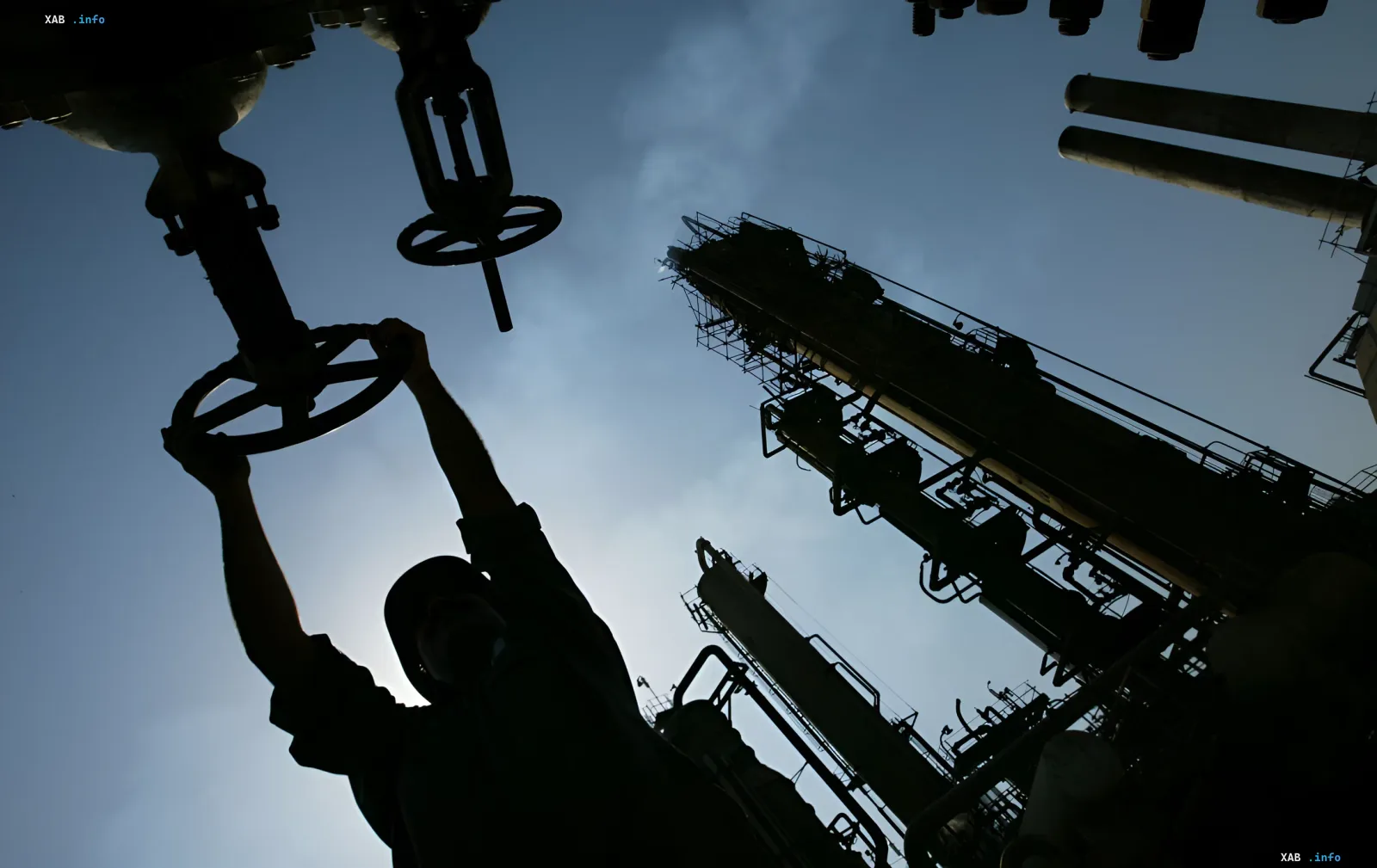
Global markets are reacting to heightened geopolitical tensions: oil prices have risen for the third consecutive day. Brent crude futures gained 1%, reaching $94.74 per barrel. The rise in quotes is directly linked to the failure of peace negotiations between the US and Iran and the resumption of hostilities in the region.
Crash of hopes for a ceasefire
Last week, Washington and Tehran announced a preliminary agreement to end the war. However, the document was never signed, and the situation on the ground deteriorated sharply. US military officials confirmed that Iran launched missiles at Bahrain, Kuwait, and other targets in the region. Most munitions were intercepted or failed to reach their targets.
Experts note that markets were confident in the signing of a memorandum of understanding, but reality turned out to be harsher. Chris Weston, head of research at brokerage firm Pepperstone, stated: "The situation looks increasingly dangerous. People are returning to the negotiating table with fewer opportunities to achieve their goals".
The conflict has deep roots. Earlier, US President Donald Trump demanded that Iran put concessions on its nuclear program in writing, rejecting verbal assurances. The situation escalated in early June: on June 2, US troops struck an empty oil tanker with a Hellfire missile, violating the blockade. Since April, six ships have been disabled in this manner. On the night of June 3, the sides exchanged blows again: Iran attacked Kuwait and Bahrain, while the US launched retaliatory strikes on Kish Island in the Strait of Hormuz.
Currency market and US economy
Against the backdrop of uncertainty, the dollar approached the 160 yen mark, stopping short of possible intervention by Japanese regulators. The euro is holding at $1.1627. Investors are paying particular attention to US employment data: the number of job openings in April rose to the highest level in five years.
A strong labor market is lowering expectations for monetary policy easing. Corpay currency strategist Peter Dragicevic believes that an economic upswing could push the Fed to raise rates. "If this becomes a reality, it could confirm the view that the US Fed may raise interest rates in the future, which in turn could lead to a strengthening of the dollar," the expert noted. Markets are already pricing in about 18 basis points of rate hikes this year.
Technology sector and cryptocurrencies
While the commodity market reacts to the war, the technology sector is moving along its own trajectory. Shares of chipmaker Marvell Technology soared 32.5% after Nvidia CEO Jensen Huang named the company the next candidate for a trillion-dollar market cap. Records are also being set in Asia: Japanese indices and the Taiwan exchange reached all-time highs. Investment firm SoftBank overtook Toyota to become Japan's most valuable company.
The cryptocurrency sector shows the opposite picture. Bitcoin fell nearly 10% over three sessions, dropping to a two-month low of $66,123. Analysts link the decline to asset sales by a major holder — Strategy — as well as investors withdrawing funds ahead of SpaceX's IPO, scheduled for next week.


