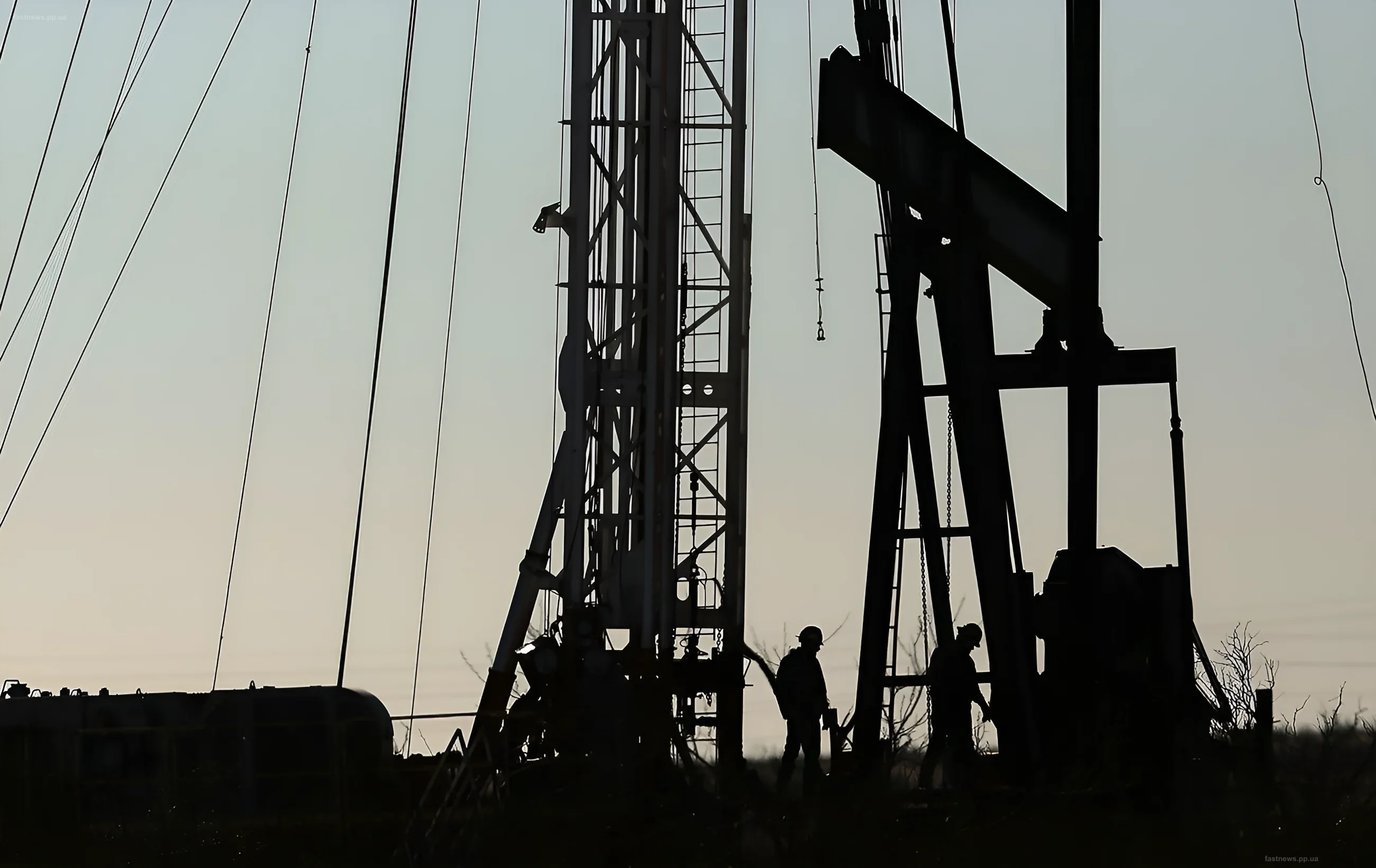
Energy markets have shaken again. After a sharp drop mid-week, when prices plummeted by more than 5%, oil reversed course and began a steady rise. Investors are once again looking toward the Middle East, where tensions between the US and Iran show no signs of easing.
Market Awaiting Resolution
On the morning of May 28, the situation on the exchanges looked as follows: the benchmark Brent crude rose by 2% to $96.21 per barrel. The American WTI grade also gained nearly 2%, settling at $90.36. However, this growth is merely a temporary respite. Experts warn that the week could still close in the red, as the market attempts to price in the probability of at least a temporary ceasefire.
Diplomacy on the Brink of Collapse
The political agenda remains the key driver. Donald Trump openly expressed dissatisfaction with the progress of negotiations, while the White House categorically denied rumors that Iran and Oman had agreed on joint control of the strategically vital Strait of Hormuz. Analysts at Pepperstone Group note that investors are viewing the prospects of a deal "through an optimistic prism," but the risk of dialogue collapse remains critically high.
The Timer on Chinese Imports
There is another scenario capable of sending oil prices soaring. Analysts are sounding the alarm: a sharp spike in quotes is possible by mid-July. The reason is China. As soon as Beijing finishes selling off its strategic reserves, it will resume imports, and demand in the market will surge.
Echoes of Conflict: Inflation and Rates
The conflict, now dragging on for its fourth month (beginning with US-Israeli strikes at the end of February), has consequences far beyond the oil industry. Fear of a return to inflation has already triggered a rise in bond yields. This places Central Banks, including the Federal Reserve, in a difficult position: they may have to raise interest rates again to curb prices.
Meanwhile, within Iran, the first signs of de-escalation are being observed: President Pezeshkian lifted the international internet blockade that had been in place for nearly three months. For now, the world waits for the Strait of Hormuz to become safe for shipping again, while oil exchanges continue to jitter.


