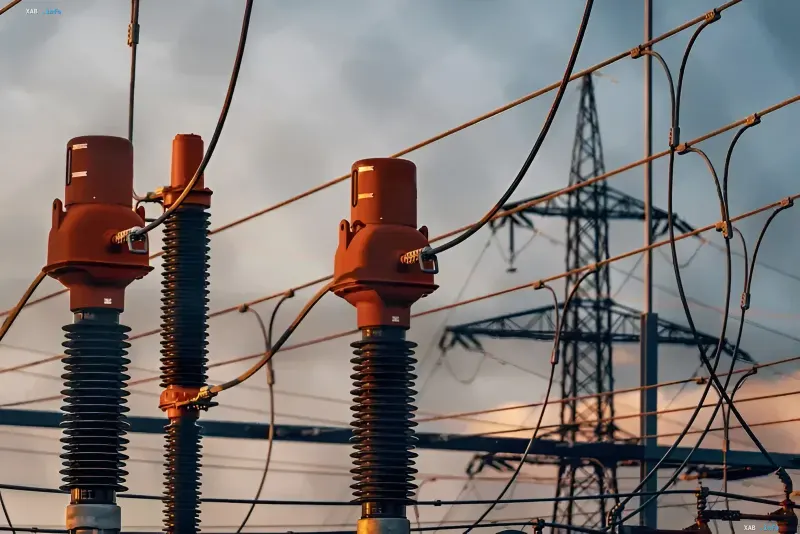
OpenAI has announced the Grid Protectors Program, an initiative aimed at reducing electricity consumption by its data centers during peak load periods on local power grids. The key goal of the initiative is to minimize stress on electrical grid infrastructure during peak demand hours and accelerate the connection of new computing capacity to grids without waiting for additional generation sources to be commissioned. Pilot testing of the system has already launched at the company's facility in Effingham County, Georgia, USA, where OpenAI has signed an agreement with local operator Georgia Power for a total capacity of 3.2 GW, with a flexible demand response limit of 1,000 MW.
Scale of the Georgia Pilot Project
The agreement with Georgia Power stipulates that during peak load moments, OpenAI's data center in Effingham County will be able to reduce its consumption by 1,000 MW. According to the company's own estimates, this reserve is comparable to the electricity consumption of roughly 700,000 residential homes, accounting for nearly 20% of the total housing stock in the state of Georgia. OpenAI's corporate blog emphasizes that campus flexibility should become a resource that utilities can draw upon when communities need reliable power the most—whether for heating homes during northern cold snaps or air conditioning during southern heatwaves.
Flexible Demand Management Mechanism: From Manual to Automated
The concept of flexible electricity demand management is not new in itself: large industrial consumers have voluntarily reduced consumption volumes during peak loads by other grid users for several decades. Before automation was introduced, power system operators contacted industrial facilities—such as steel mills—manually and asked them to temporarily lower power consumption to ensure the reliability of the entire network. Modern technologies and the Internet of Things (IoT) have radically changed this process: data centers are now capable of reducing consumed power in less than a minute, without any manual operator intervention. This transforms computing infrastructure from a passive consumer into an active element of power system balancing.
Flexibility as Part of Future Facility Design
OpenAI stated that it aims to make flexibility an integral part of the design and operation of all its future facilities. This involves creating infrastructure capable of reducing electricity consumption when necessary, as well as establishing close interaction with power supply organizations to agree on the volumes, speed, and duration of load reduction. The terms of such agreements, the company specifies, will vary depending on the location of a specific campus and the characteristics of the local power grid. Thus, the Grid Protectors Program is not limited to a one-time pilot, but lays down an architectural principle for all of the company's subsequent data center construction.
Context: Precedents and Industry Trend
Similar systems have already been tested in the industry: Nvidia conducted tests of a similar flexible load management mechanism in the UK and, according to reports, confirmed its effectiveness. OpenAI's initiative fits into a broader trend where compute hyperscalers are increasingly integrating into power grid operations not just as consumers, but as balancing tools. At a time when data center consumption volumes continue to grow and the timelines for connecting new generation capacity are measured in years, the ability to temporarily shed load becomes a critical factor determining the speed of AI infrastructure deployment while protecting residential consumers from power outages.