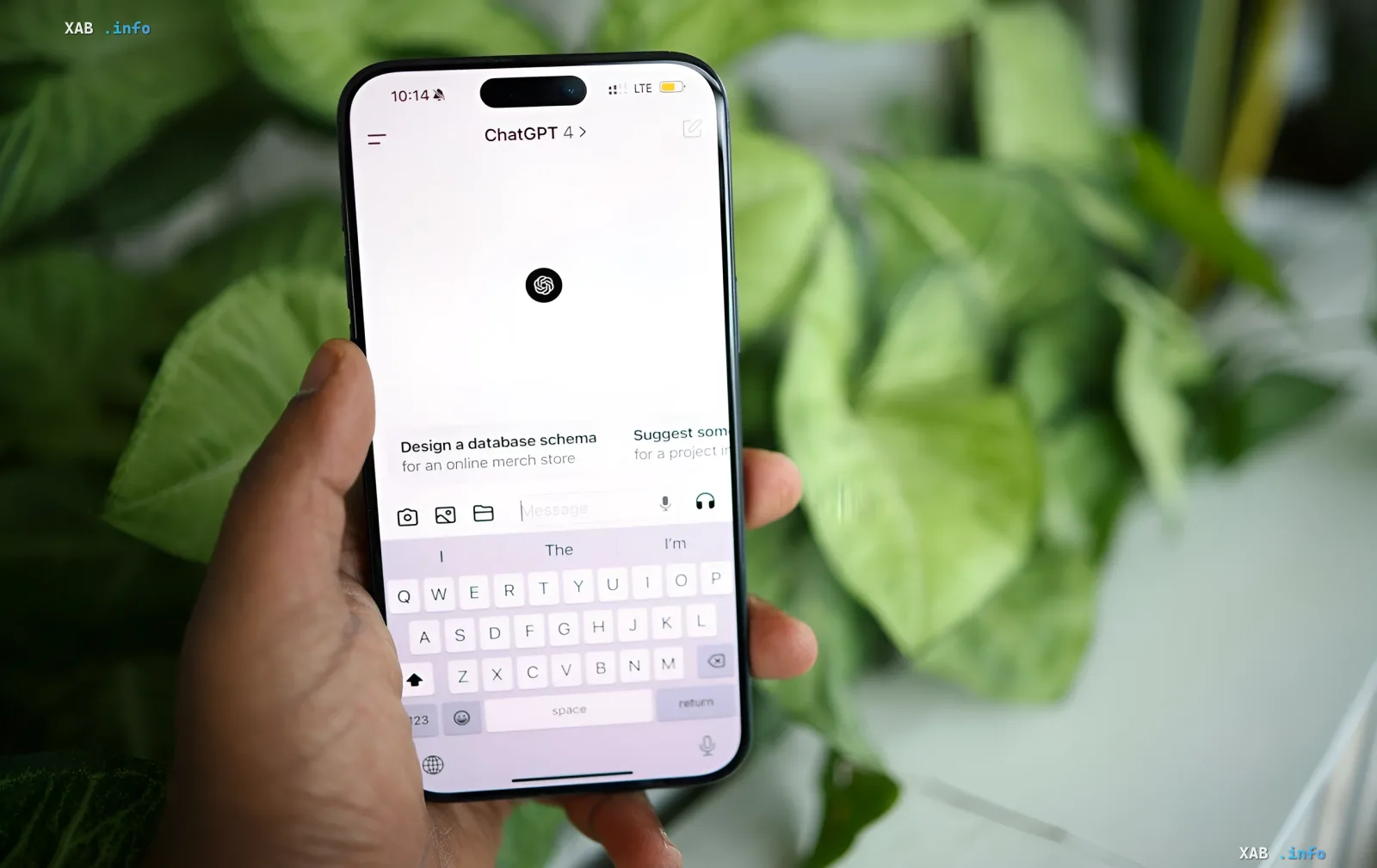
OpenAI has taken a significant step in developing the functionality of its flagship chatbot by launching tools for managing personal finances. Users can now directly link bank accounts to ChatGPT, allowing the artificial intelligence to analyze expenses, credit limits, and savings to provide personalized recommendations.
Technological foundation and security
To implement this ambitious feature, developers have entered into a partnership agreement with the major financial network Plaid. This service ensures a secure connection between the neural network and banking systems. Once connected, users can integrate their data with AI to automatically track subscriptions, monthly bills, and overall cash flow.
It is important to note the strict limitations introduced at the launch stage to minimize risks:
- Read-only mode: The function is for informational purposes only (read-only).
- No transactions allowed: The chatbot is not authorized to make transfers, pay bills, or conduct any other monetary operations.
- Limited access: Currently, the service is available in preview mode only for ChatGPT Pro subscribers in the USA.
From analysis to action
Developers emphasize that their goal is to go beyond simply answering questions and help users take action to improve their financial lives. As noted by OpenAI, they are working on this alongside reliable ecosystem partners, such as Intuit.
Use cases are becoming increasingly practical: a user can move from receiving general advice on applying for a credit card to understanding their actual chances of approval and even submitting an application. The system also allows for a reliable assessment of the tax consequences of selling stocks and booking a consultation with a local expert.
Privacy debates
Despite the obvious convenience for those who dislike managing household accounts manually, the release has sparked serious debate within the professional community. Cybersecurity experts express concern that financial information is one of the most sensitive categories of personal data.
Analysts suggest that mass adoption may face audience distrust. Many users may be wary of giving a chatbot direct access to their banking history due to potential risks of data leaks or the use of this data to train future artificial intelligence models.


