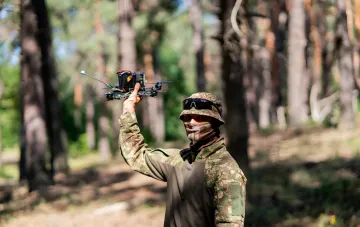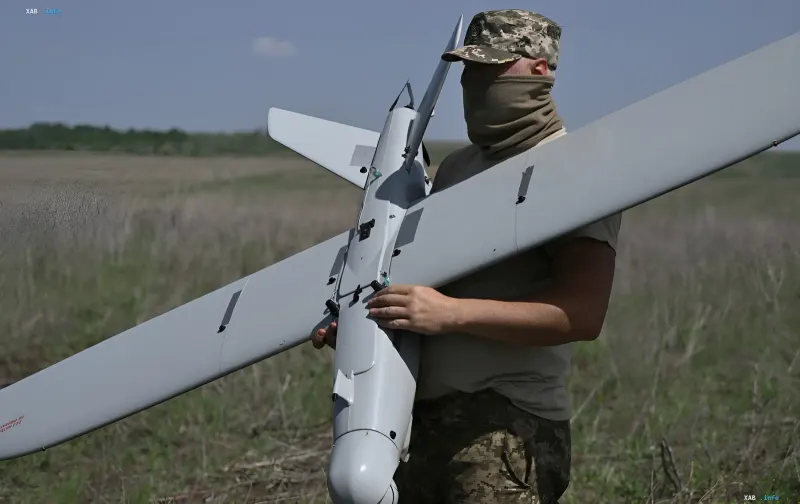
Ukrainian Unmanned Systems Forces (USF) have reported a large-scale series of strikes against energy infrastructure in occupied territories. As part of the operation named 'Crimea Switch Off', 10 energy nodes were hit overnight between July 28 and 29. The strikes targeted Crimea, as well as occupied parts of the Kherson and Luhansk regions.
Monthly Results: 164 Targets
Robert Brovdi, commander of the Unmanned Systems Forces, known by the callsign 'Madyar', confirmed the data on the latest attacks. According to him, this is merely the final chord of a month-long campaign. From July 1 to 29, Ukrainian drones successfully struck 164 energy targets. The strategy involves the systematic destruction of energy supply chains, forcing the enemy to redirect resources towards restoration rather than offensive operations.
"We will withstand. Moscow will fall. Crimea will be rebuilt and fattened," Brovdi stated, emphasizing the long-term goals of the campaign to undermine the enemy's economic stability.
Escalation on Russian Territory: From Perm to Ryazan
Pressure on Russian infrastructure is not limited to the combat zone. A massive fire broke out at the 'LUKOIL-Permnefteorgsintez' plant in Perm, one of the country's key oil refining enterprises. There is active discussion online that the fire was a result of a drone attack on the plant's territory.
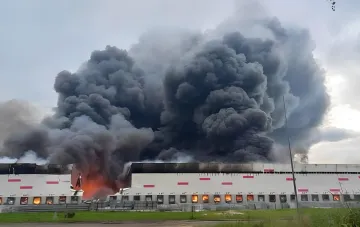
The situation has also escalated in Ryazan. This morning, the city was subjected to a massive drone attack. As a result of the strikes, industrial facilities caught fire, including an oil refinery and a logistics center for the largest marketplace, Wildberries. The regional governor officially confirmed the fact of fires at industrial sites.
Logistical Collapse: Wildberries Seeks Refuge
Regular attacks on warehouses and logistics hubs have forced Russian retailers to reconsider their plans. According to media reports, Wildberries, whose facilities became targets in Ryazan, is beginning an emergency search for new warehouse space. The company is considering moving a significant portion of its logistics capacity to Kazakhstan, attempting to secure supply chains from Ukrainian drone strikes.