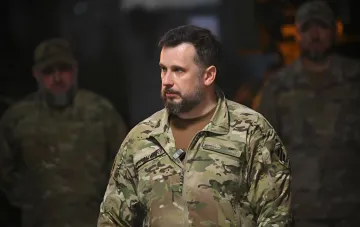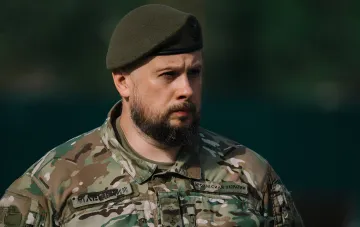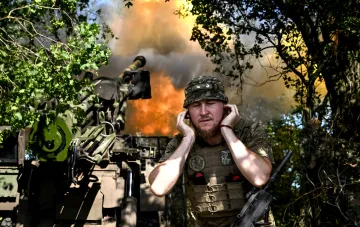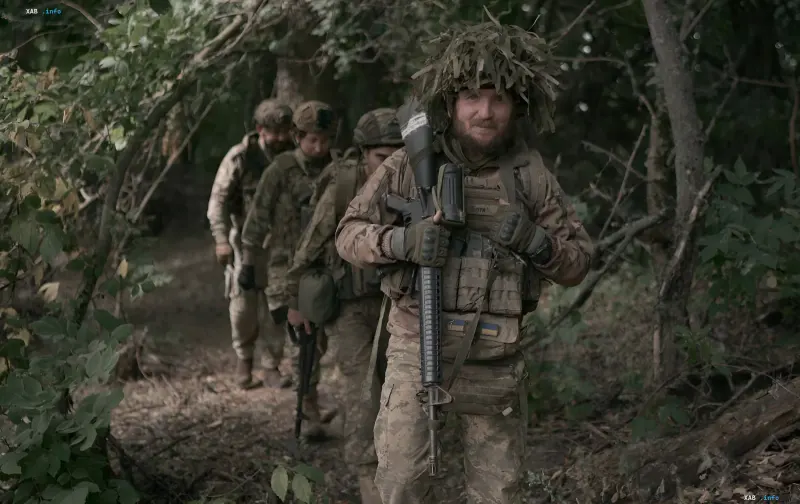
On September 15, 2026, the Third Army Corps of the Ukrainian Armed Forces went on the offensive in northern Donetsk Oblast, launching an operation under the code name "Vivaldi." This was announced by the corps commander, Brigadier General Andriy Biletsky, according to RBC-Ukraine. According to him, the units operated under a regime of information silence, which allowed them to covertly eliminate enemy infiltration points and clear approximately 75 square kilometers of territory, with a further 10 square kilometers deoccupied. During the operation, the village of Seredne and a number of other settlements were liberated and cleared of the penetration of Russian units.
The Course of Operation "Vivaldi"
The key feature of the offensive, as emphasized by the command, was the operation under conditions of information silence: the Ukrainian military did not publicize the preparations or the course of the action, which caught the enemy off guard. As a result, according to Biletsky, the infiltration points were eliminated and a significant area was cleared. The specific list of settlements, apart from the liberated Seredne, is not disclosed in full in the public statement, which is consistent with the chosen regime of operational secrecy.
Blow to the Enemy's Logistics
The offensive, according to the corps commander's assessment, dealt a serious blow to the combat capability of Russia's 20th and 25th Armies. Due to the strikes by the Third Army Corps, Russian forces were forced to move the delivery of fuel and lubricants outside Ukraine — to Voronezh Oblast, where, reportedly, a pipeline was dismantled and warehouse complexes were withdrawn. In parallel, unmanned systems units cut off the enemy's logistics routes, exacerbating supply problems at the front line.
"Four Seasons": The General Does Not Reveal the Ultimate Goal
In response to a question about the ultimate goal of the operation, Brigadier General Andriy Biletsky rejected the version, widely circulated in open sources, of reaching the Chornyi Zherebeets River. "Our operation is called 'Vivaldi.' And Vivaldi, as is known, has four seasons. And this is only the first of them. So keep an eye on our official announcements and don't rush to spoil it. Good news will come," he stated, effectively pointing to the multi-stage nature of the offensive and the intention to continue it after the first stage.
Europe's Reaction and the Context at the Front
Against the backdrop of reports of the offensive, German Chancellor Friedrich Merz, at the European Arctic Summit in Rovaniemi, warned of "decisive weeks and months" for the defense of peace in Europe, emphasizing that Germany must remain steadfast in its support of Ukraine until the end of the war. Earlier, analysts at the Institute for the Study of War (ISW) recorded the Ukrainian forces seizing the initiative in 2026: according to their data, the Ukrainian Armed Forces have virtually nullified Russia's territorial gains and carried out counteroffensives on the Kupiansk, Kharkiv (Oskil) and Lyman axes, creating the overall context for Operation "Vivaldi" in northern Donbas.