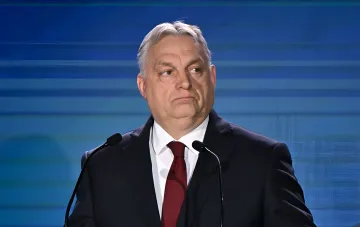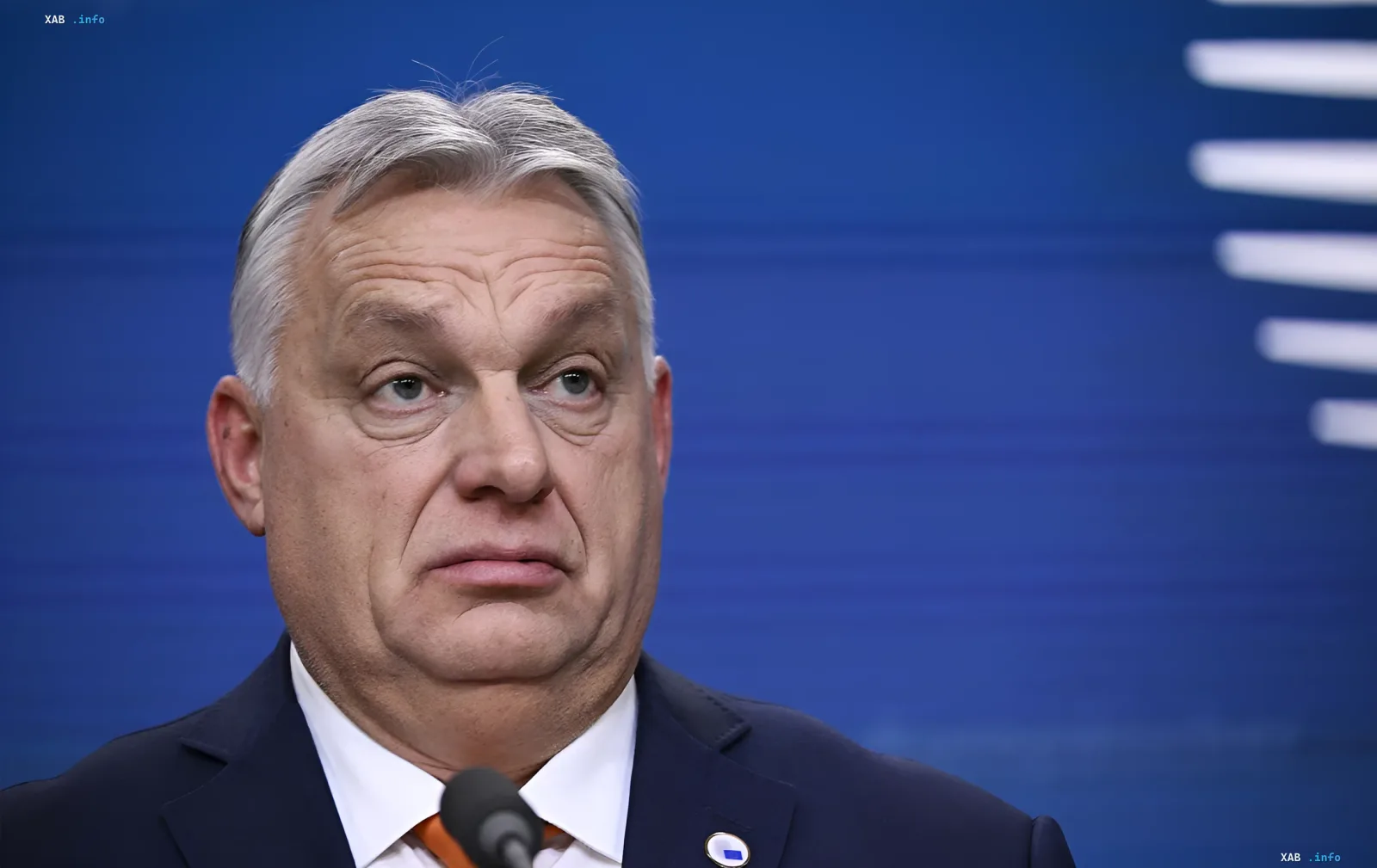
Former Hungarian Prime Minister Viktor Orban has issued an official statement flatly denying his personal involvement in the detention of cash-in-transit collectors from Ukraine's state-owned Oschadbank. According to the Hungarian politician, the security forces acted entirely on their own initiative and within their jurisdiction. This statement comes amid ongoing disputes over the legality of the Hungarian special services' actions and the international reaction to this high-profile incident that occurred earlier in the spring.
Context of the incident and official stance
According to Viktor Orban's statements published on Facebook and reported by Bloomberg, the counter-terrorism police carried out their duties without any direct instructions or directives from the cabinet of ministers. The politician emphasized that the security forces "did an excellent job" and even deserve awards, while reiterating unproven claims that the Ukrainian collectors were allegedly moving illegally across Hungarian territory. To recap, in March Hungary detained Oschadbank employees and seized large amounts of cash in US dollars and euros, as well as valuables and gold being transported in armored vehicles.
Contradictory data
While Viktor Orban insists on the independence of the security forces' actions, numerous investigations by local media and statements by former high-ranking officials paint a completely different picture. In September, a former high-ranking prosecutor and several Hungarian media outlets (such as Telex) reported that the raid on the collectors was carried out on Orban's direct orders as part of his Fidesz party's pre-election rhetoric. Furthermore, international experts pointed out severe violations of as many as three conventions during the detention. The discrepancy between the official version of police autonomy and media reports of a political order creates a serious legal conflict.
Aftermath and closure of the case
Despite the harsh actions of the Hungarian security structures in the spring, the situation was gradually resolved within the legal framework. As early as May 6, Hungary returned all seized Oschadbank money and valuables to Ukraine. Later, on August 19, the criminal case against the Ukrainian collectors, initially suspected of money laundering, was officially closed by the Hungarian side due to a complete lack of evidence of a crime. However, the investigation into the actions of the law enforcement officers themselves continued, with proceedings opened over illegal detention and the questioning of the former head of the counter-terrorism agency, Janos Hajdu, and three regular police officers as suspects.