

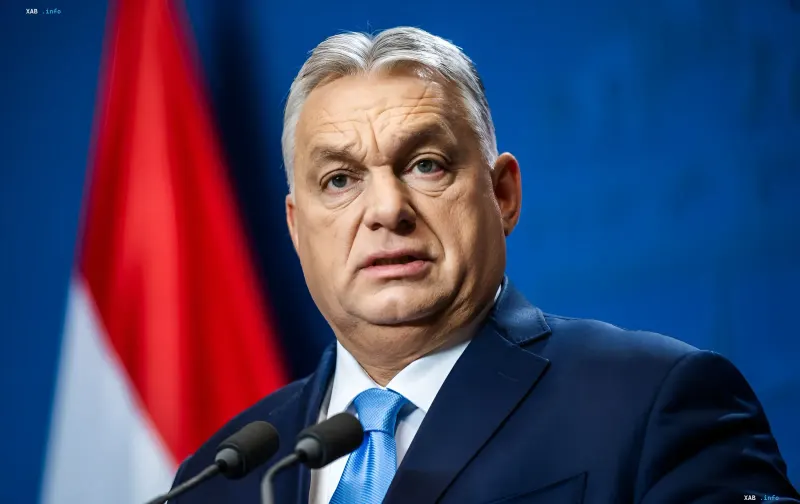
The congress of the ruling party Fidesz concluded in Budapest, marking a pivotal event in contemporary Hungarian politics. Despite a historic defeat in the parliamentary elections and moving into opposition after 16 years in power, Viktor Orban retained his status as leader. On Saturday, he was re-elected unanimously, securing an overwhelming majority of delegate votes.
Overwhelming Support Within the Party
The voting results within the organization demonstrated that the former Prime Minister's authority remains unshakable among his supporters. Orban received 729 votes out of 737 possible. No one voted against his candidacy, with only 8 abstentions. These figures confirm that, despite external pressure and declining popularity in society, the party machinery continues to operate at full capacity, and Orban maintains full control over the Fidesz structure.
Disconnect from Reality: Polls vs. Congress
While unity prevails within the party, public support for Fidesz is plummeting. Recent sociological data paints a bleak picture for the former ruling force. Since the crushing defeat in April against the Tisza party, Orban's and his team's ratings have been steadily declining.
According to current polls, the new party of Prime Minister Peter Magyar enjoys almost three times more support among voters than Fidesz. This gap indicates a deep crisis of trust in Orban among the general population, which contrasts sharply with the loyalty of the party elite.
Congress Rhetoric: "Hungary Will Resist"
In his speech at the congress, the 63-year-old Fidesz leader took a hard line against the new government. Orban labeled Peter Magyar a "vice-king," asserting that he serves Western interests. The former Prime Minister accused the current authorities of undermining national sovereignty and warned that "by autumn, Hungary will resist this constant abuse."
At the same time, Orban acknowledged responsibility for the strategic errors that led to the loss of power but insisted that he is the only suitable person to revive the party and return to victory.
Fight for Media and Rumors of a UN Career
The political confrontation goes beyond rhetorical jabs. The Tisza party has already introduced a bill to parliament aimed at dismantling Orban's media empire. The reform of state media is intended to make them independent sources of information, depriving the opposition leader of one of his main tools of influence.
Meanwhile, world media are discussing possible scenarios for Orban himself. A week ago, reports emerged that within the American MAGA movement, there is consideration of appointing the Hungarian politician to a high-ranking position at the UN. Analysts believe the key goal of such a scenario would be obtaining diplomatic immunity, which could protect the ex-leader from potential legal risks.


