In the frontline areas, an unexpected phenomenon has been recorded, demonstrating the adaptability of living nature to anthropogenic changes in the landscape. Ornithologists and observers have noted that birds are actively using remnants of military technical infrastructure to build their homes.
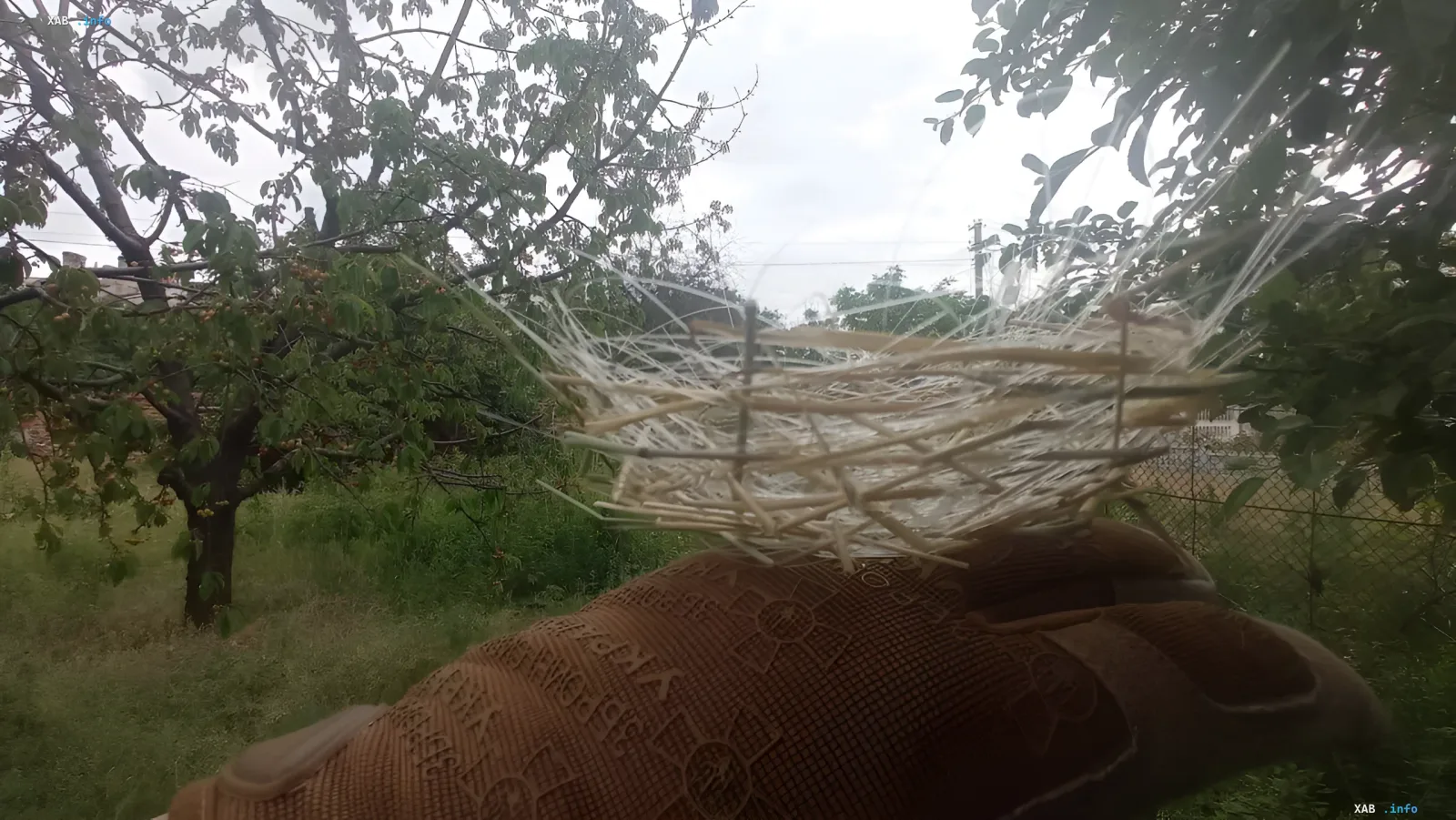
In the combat zone, bird nests have been discovered that incorporate elements of fiber optic cables into their structure. These materials remain on the ground after the use of unmanned aerial vehicles (UAVs) controlled via a fiber-optic communication channel. During flight, the cable unwinds, and its remnants become an accessible resource for birds.
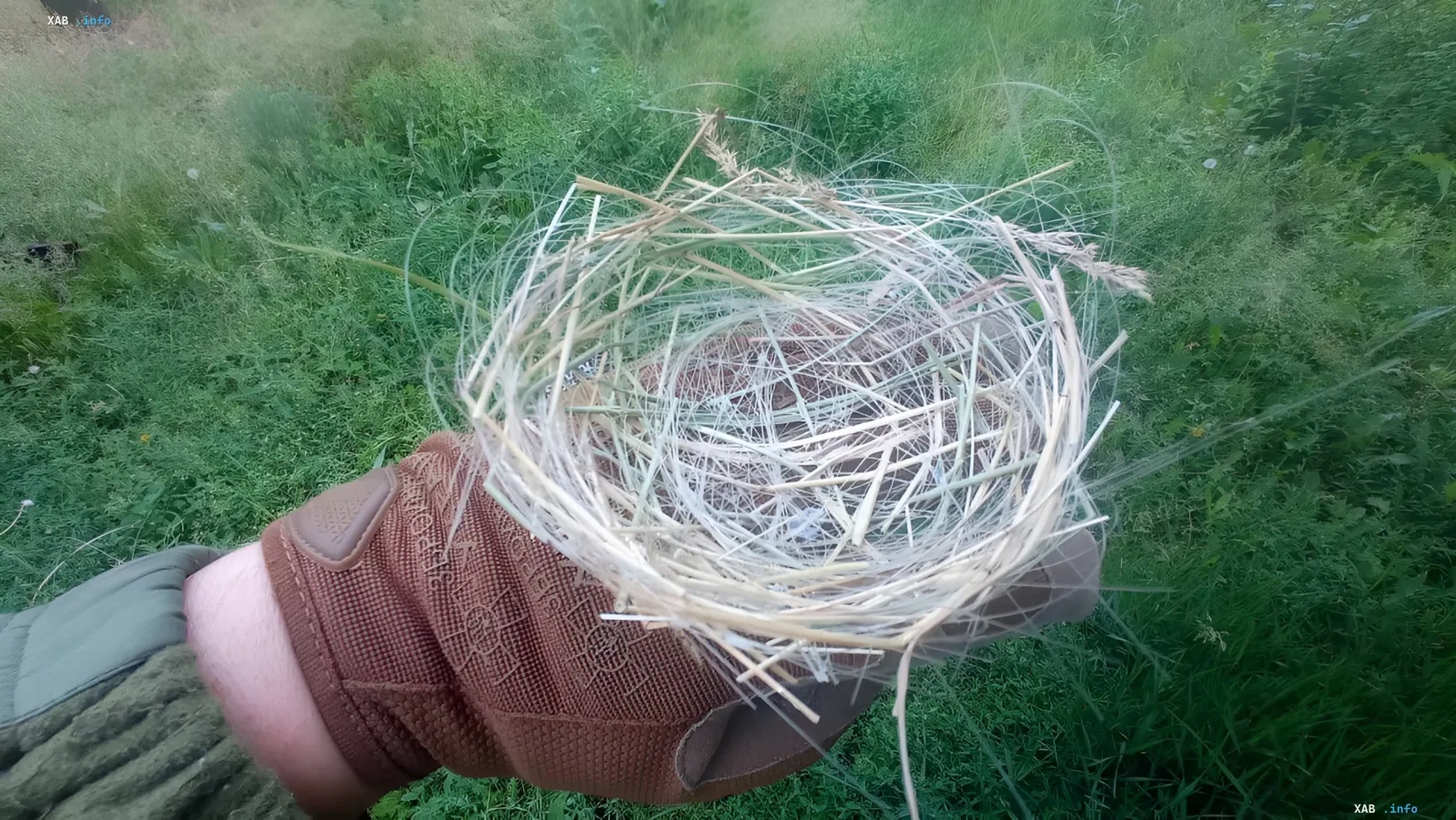
Visual analysis of photographic materials published online allows for a detailed examination of the structure of such nests. Birds do not simply get accidentally entangled in wires; rather, they deliberately weave thin glass fiber threads and associated polymeric insulating materials into the traditional base of dry grass and twigs.
Artificial elements form a full-fledged nest framework, serving as a binding material. Judging by the recorded objects, birds perceive strong synthetic threads as a reliable building resource capable of reinforcing the structure.
This phenomenon poses new questions for ecologists. At present, expert conclusions from ornithologists regarding the impact of such synthetic materials on the success of nesting and the health of chicks in this region have not been released. It is currently unknown whether the chemical components of the insulation or the physical structure of the glass fiber have a negative effect on the development of the offspring.
The situation requires further monitoring. For now, observers are only recording the fact of the integration of military waste into natural ecosystems, which testifies to the high ability of animals to adapt to extreme environmental conditions.


