
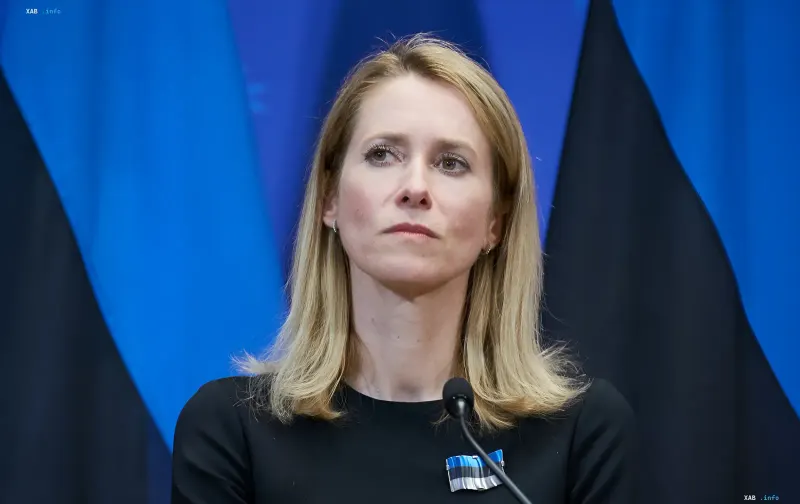
European Union member states have officially agreed on the terms for providing Ukraine with a major financial aid package worth 6.6 billion euros from the European Peace Facility. High Representative of the EU for Foreign Affairs and Security Policy Kaja Kallas announced this, emphasizing the importance of uninterrupted support for Kyiv amid current challenges.
Fund Distribution Structure
According to the details of the plan presented by European institutions, 900 million euros will be directly allocated to the EU military assistance mission to Ukraine. Another 1 billion euro will go toward financing new joint procurement of modern military equipment and weaponry. The remaining amount is intended to cover previously incurred expenses by allied states.
Expense Reimbursement and Support
Kallas noted that the lion's share of the package — specifically 4.7 billion euros — is intended to reimburse expenses incurred by EU member states. Some of these countries have already publicly stated their intention to channel the received compensation back as direct aid to Ukraine.
Financial Context and Budget Challenges
Against the backdrop of these agreements, Ukrainian Finance Minister Sergii Marchenko previously reported that next year's state budget will require external financing in the amount of 52.6 billion dollars. As of the current date, only 20 billion dollars have been confirmed, while the remaining 32.6 billion still have an uncertain status, necessitating the search for additional solutions.
Meeting with the IMF and Next Steps
Additional stability can be ensured through cooperation with international financial institutions. In particular, on September 23, Ukrainian President Volodymyr Zelenskyy met with IMF Managing Director Kristalina Georgieva, following which the Fund promised to help find the necessary funds for 2027.
Contradictory Data
Despite official EU statements regarding the unfreezing of 6.6 billion euros from the European Peace Facility, analysts and expert sources point to differing approaches among member states regarding payout mechanisms and reimbursement timelines. While Brussels insists on the swift distribution of funds, some states point to bureaucratic delays and the need for additional approvals at the national level, which could affect the actual timing of money arrival in Kyiv.