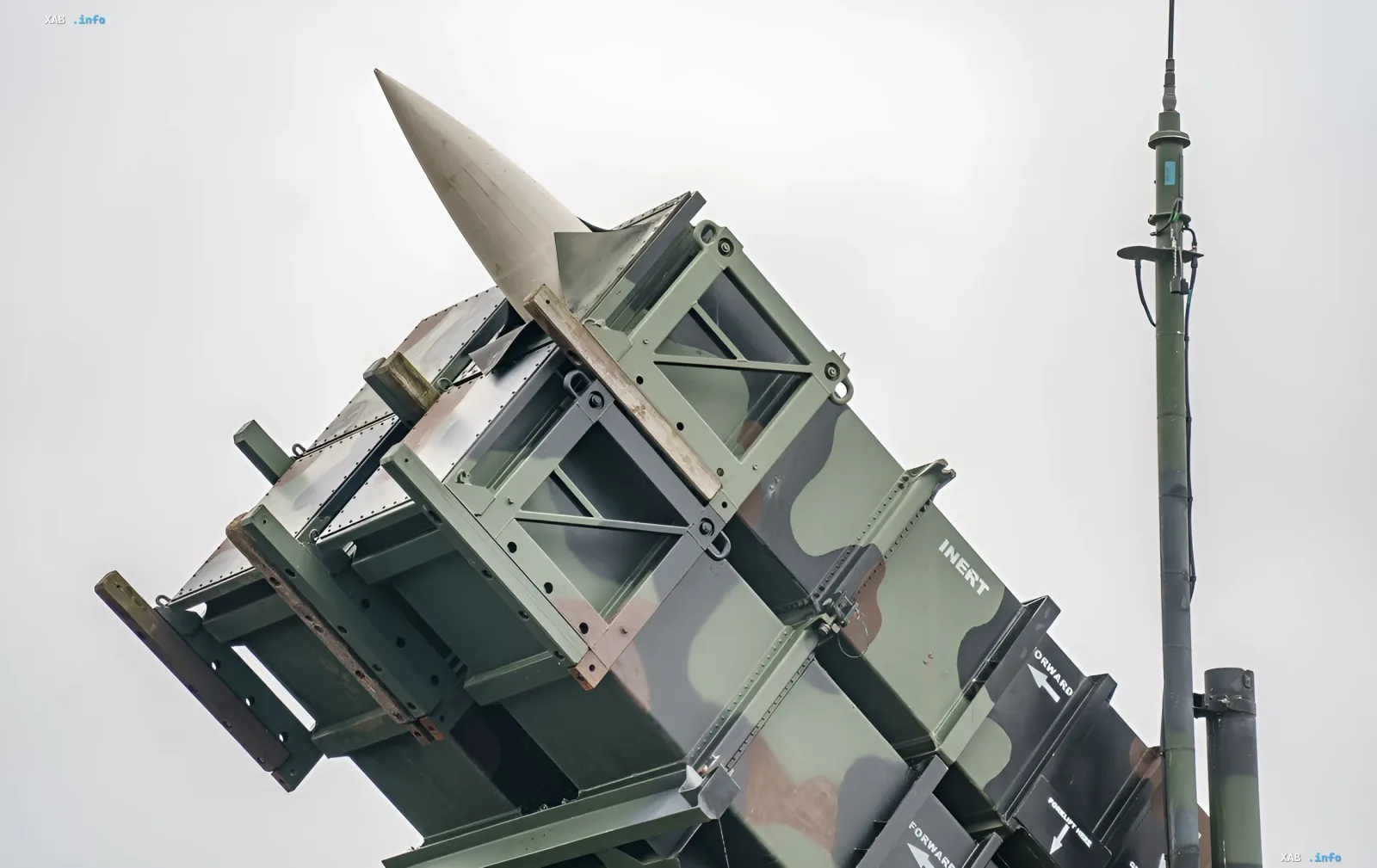
The situation regarding the supply of high-tech air defense weaponry has entered a critical phase. Lockheed Martin has officially warned its customers that it cannot provide exact delivery dates for PAC-3 missiles for Patriot missile defense systems. This shortage is being felt acutely, especially given that Ukraine critically needs these assets to protect against ballistic threats.
Production Cannot Keep Up with Reality
Brian Dunn, Vice President of Lockheed Martin's missile division, confirmed that the company cannot provide specific timelines. According to him, expanding production capacity will allow demand to be met in a shorter timeframe, but the current situation remains tense. The root of the problem, according to aviation expert Konstantin Krivolap, lies in the fact that the global community was not prepared for the scale of modern conflicts.
The production dynamics of PAC-3 missiles demonstrate a sharp surge caused by the changing geopolitical landscape:
- In 2017, the joint Lockheed Martin and Raytheon plant in Arizona produced about 150 missiles per year.
- In 2018–2019, figures rose to 200–250 units.
- In 2022, production volume reached 500 missiles.
- Today, the figure stands at 650 missiles per year.
The expert notes that previously demand was low, as customer countries, particularly those in the Persian Gulf, considered having a limited number of missiles sufficient for deterrence. Saudi Arabia, for example, had about 750 units on its balance sheet. Over the entire production period, only about 4,000–4,500 PAC-3 missiles were manufactured.
Monopoly and Refusal of Licenses
An important factor exacerbating the situation was the US unwillingness to share technology. The American side refused to grant Europe a license to produce PAC-3 missiles for a long time. In particular, Germany, which already produces PAC-2 missiles for Patriot systems, made such a request but was denied. The US offered Europe to rely on its own protection against ballistic threats, seeking to maintain a monopoly in this field.
Today, American Patriots are Ukraine's only shield against Russian ballistic missiles. However, their quantity does not match the volume of threats. Last year, the adversary launched about 650 Iskander ballistic missiles, which exceeds the number of PAC-3 missiles delivered to Ukraine. Krivolap emphasizes that the shortage of interception means has become chronic.
Ukrainian Alternative: Project FP-7.x
Against the backdrop of problems with American supplies, the developments of domestic engineers are becoming relevant. The Ukrainian company Fire Point announced successful flight tests of the FP-7.x air-to-air missile. The developers position this product as a cheaper alternative to the PAC-3 missile.
The new missile will become a key element of the pan-European air defense complex named Freya. The system will also include radars, detection systems, and command-and-control elements produced by European partners. Experts believe that Europe is capable of assembling a complex that is not inferior to the American Patriot, but it lacked its own effective anti-ballistic missile. FP-7.x could be that missing link.
The project development plan looks as follows: in June-July, Fire Point will conduct flight tests of the FP-7 missile. After receiving infrared homing heads from the German company Diehl Defence, tests of the FP-7.x modification will begin. The entire Freya complex can theoretically be assembled by the end of the year to conduct the first tests. However, as Konstantin Krivolap notes, for this scenario to be realized, the necessary political will must be shown in Europe.


