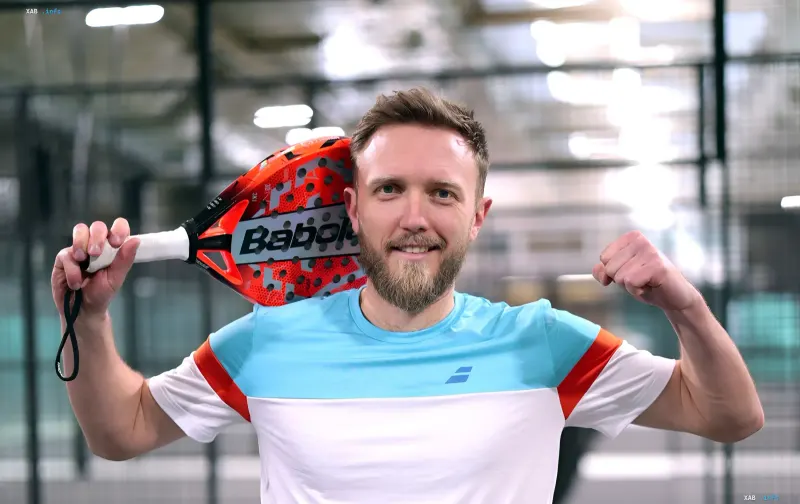
Padel, which was an exotic novelty for the general audience just a few years ago, is now experiencing a true global boom. In Ukraine, this trend is gaining momentum at an incredible pace, despite the ongoing war. We spoke with Stanislav Arkhipov, the sporting director of the "SvitoPadel" club, the 2024–2025 Ukrainian champion, and a national team player, to understand what lies behind the beautiful picture of premium courts and why this sport is becoming a magnet for investors.
Why padel beats tennis: economics and socialization
The main secret to padel's success lies in its accessibility and social format. Unlike classic tennis, where a beginner may need months of training with a coach just to learn how to keep the ball in play, padel allows you to enjoy the process almost from the very first lesson. After a few training sessions, a person can already sustain a rally and feel the excitement.
The second key factor is sociability. The "two-on-two" format turns every match into networking. People come not just to train, but to spend time with friends, meet new people, and discuss the match over a cup of coffee afterwards. This is why strong communities form so quickly around padel.
For investors, the economics of space usage are also important. A standard padel court occupies 200 square meters (20 by 10 meters). On the area where one tennis court is located, you can fit approximately three padel courts. This, combined with the pay-per-play model (payment for a specific hour of play), creates a clear and effective monetization scheme.
The Ukrainian market: growth despite the war
The Ukrainian market is already in the phase of an active padel boom. Despite the hostilities, the number of clubs and courts continues to grow. People are willing to spend money not only on the game itself but on the entire experience surrounding it: training, tournaments, and social events. Investors, both foreign and local, see potential in this.
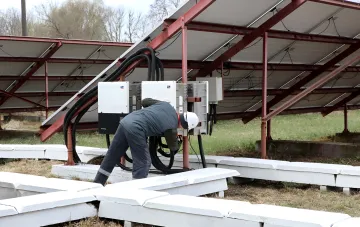
However, the war significantly influences investment decisions. The planning horizon changes; issues of security, object autonomy (electricity generation), as well as logistics and rental costs, come to the forefront. Stanislav Arkhipov notes that it is now critically important not just to open a club, but to correctly calculate its operational model taking into account the realities of 2026.
Launch economics: how much does it cost to enter the game
The question of the cost of opening a turnkey club does not have a universal answer, as much depends on the format, location, and the availability of own real estate. If we talk about equipment, one padel court in Kyiv in 2026 can cost approximately $25,000–30,000, excluding construction work. Installation on an already prepared foundation adds another about five thousand dollars. But this is only part of the puzzle: room preparation, lighting, zoning, and infrastructure must be calculated separately.
Contradictory data
There are different points of view in the expert community regarding the payback period of padel clubs under current conditions. Some sources, relying on pre-war models, cite a period of 2–3 years. However, Stanislav Arkhipov and a number of other market experts point out that due to the growth of operating expenses (energy, security, logistics) and instability, the real payback period in Ukraine in 2026 may be significantly higher and requires an individual calculation for each project. There is currently no single figure in the market.