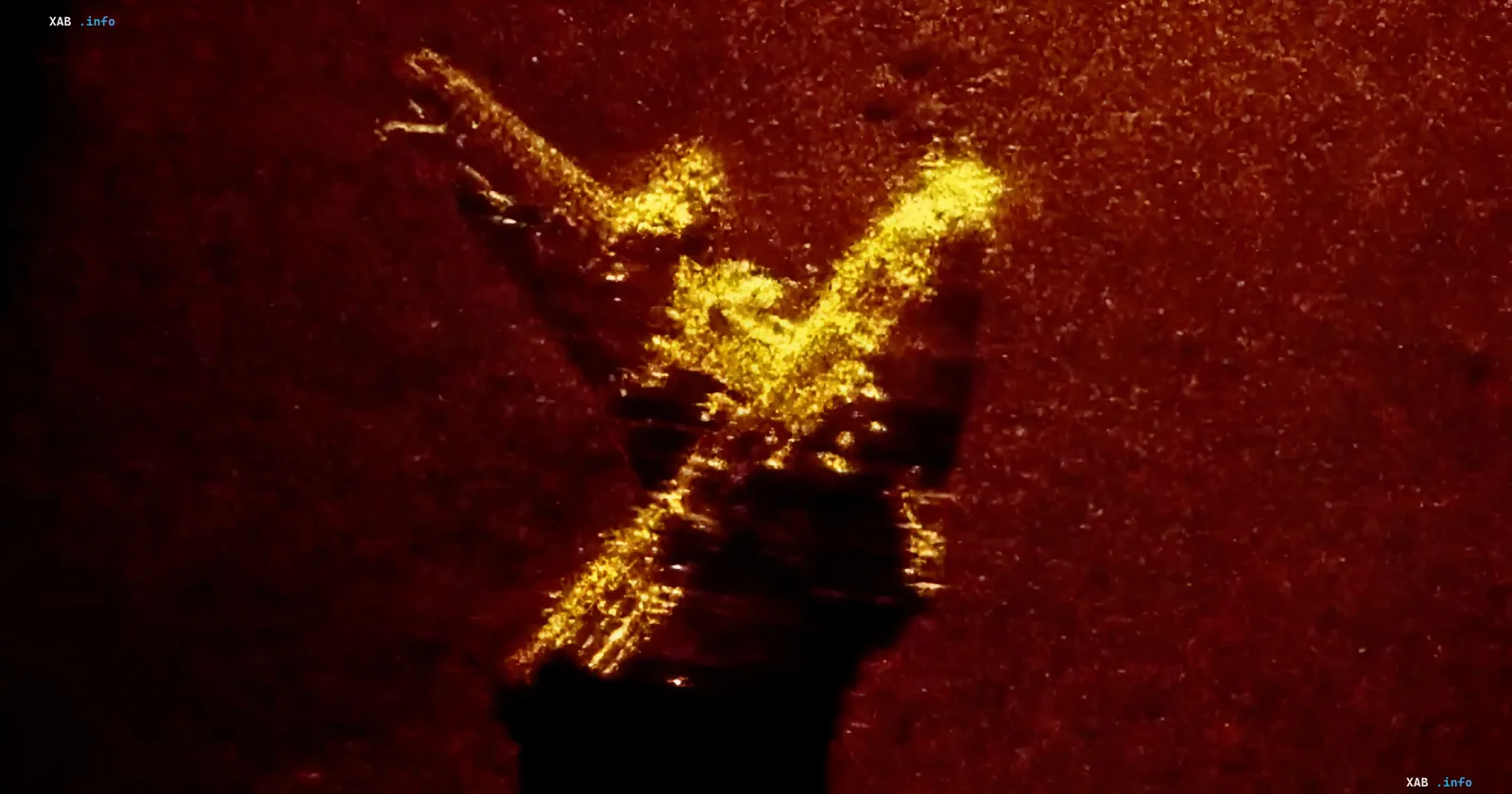
More than seventy years after the tragedy that claimed the lives of 52 people, the wreckage of a Pan Am passenger airliner that vanished in the Atlantic Ocean has finally been found. This discovery is the result of the joint efforts of a search team and the production crew of the Discovery Channel documentary show «Expedition Unknown».
Historical discovery on the ocean floor
The wreckage of the aircraft, known as Pan Am Flight 256A or Clipper Endeavor, was discovered at a depth of about 600 meters off the coast of Puerto Rico. The airliner crashed on April 11, 1952, just a few minutes after taking off from San Juan. There were 69 people on board, 17 of whom managed to survive.
Investigators previously concluded that the disaster was caused by the failure of both engines on the right side of the aircraft. Nine minutes after takeoff, the crew could not keep the machine in the air, and it plunged into the ocean.
Technological breakthrough in the search
The search for the wreckage was conducted by the Air/Sea Heritage Foundation since 2019, but the real breakthrough came thanks to the use of modern technologies. The team used autonomous underwater drones, usually used for exploring marine deposits, as well as sonar mapping and high-definition underwater filming.
The host of the show «Expedition Unknown» Josh Gates and his team gained access to these devices and within two days were able to find and confirm the ownership of the wreckage. Key evidence included the Pan Am logo, landing gear, and one of the aircraft's engines.
Impact on flight safety
The crash of Clipper Endeavor had a long-term impact on civil aviation. At the time of the disaster, safety demonstrations before takeoff were not yet a standard part of commercial flights. It was this tragedy that played an important role in the introduction of safety briefings, which are now conducted on every flight.
The discovery of the aircraft wreckage not only closed one of the longest unsolved mysteries in aviation history but also reminded us of the importance of constantly improving safety measures in this field.


