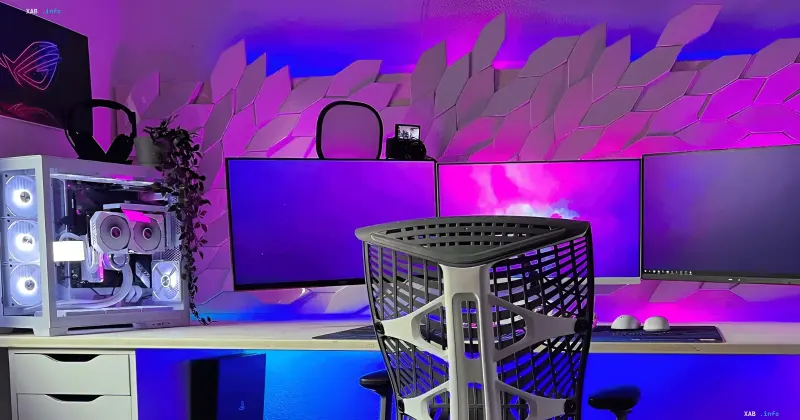
Many gamers spend years saving up for their "dream build." The end of this journey seems ideal: your favorite genre runs on ultra settings in 4K with ray tracing. But reality often throws an unexpected curveball: the owner of the most powerful hardware suddenly catches themselves thinking they don't want to launch games at all.
This paradox, familiar to many owners of top-tier systems, sparked a heated discussion on Reddit. The more powerful the computer, the emptier the "Playing Now" folder often becomes. The story that sparked the debate sounds like a parable about modern technology.
From 40 FPS to Apathy
The author of the post dreamed of a high-performance system for years. In the past, he played on an old PC where games ran at 40-50 FPS on low settings, and he got genuine pleasure from it. Every launched game was a small victory: "it works, it runs, it handled it".
The situation changed radically after the upgrade. Now the user has 1440p on an OLED monitor, stable 120+ FPS, and path tracing. However, along with the perfect image came a complete indifference to launching anything. Even buying a PlayStation 5 and hunting for platinum trophies only worked for a short time: after seventeen platinums, games turned into a boring checklist.
The Mechanics of Disappointment
One of the most accurate comments on the post describes this process as "sobering up after a charge." While the build was a goal, it filled the process with meaning. When the hardware stops being an obstacle, half of the internal desire disappears. The object of desire suddenly loses all its appeal as soon as it becomes achievable.
A second common diagnosis in such cases is burnout from a single hobby. Games stop being a relaxation when they become the main way to spend the evening. For those who add the gym, reading, movies, or other hobbies, gaming returns on its own — simply because there is a lack of time and, with it, a desire.
The Achievement Trap
A separate trap for modern players is the hunt for 100% completion and platinum trophies. The achievement mechanic turns the game into a task with a deadline, and the brain quickly stops distinguishing it from work. Instead of joy from the process, a sense of duty comes.
It is also worth remembering a less pleasant option: a sustained loss of interest in what used to bring joy is a classic symptom of a depressive episode. Blaming everything on "outgrowing games" is not always honest and safe for mental health.