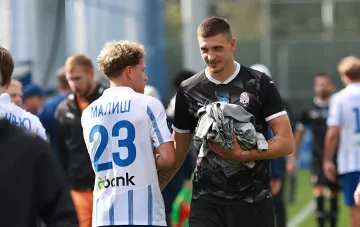

Ukrainian striker Pylyp Budkivskyi, in a recent interview, spoke in detail about the main obstacles preventing domestic football players from successfully moving to European clubs. According to the forward, key factors remain inflated financial terms at home, the reluctance of club management to release players even when lucrative offers are on the table, and a serious lag in the development of core infrastructure.
French Experience and Scout Interest
Assessing his past career stage at French club Sochaux, Budkivskyi noted the fundamental difference between the European scouting system and Ukrainian reality. In France, talent scouts closely monitor even second-division matches, and a bright run or successful season in the local championship can instantly open an athlete's path to leading European leagues. At the same time, the Ukrainian recalled his former Sochaux teammate Maxence Lacroix, who eventually grew to the level of Chelsea and the French national team, although during their joint appearances the forward did not immediately see such colossal potential in the young defender.
Financial Factor and Club Transfer Policy
The striker called excessive financial injections, which negatively affect the mindset of young players, one of the main problems of Ukrainian football. When domestic clubs begin to pay exorbitantly high salaries, they effectively spoil footballers, reducing their motivation to progress and move to strong foreign championships for the sake of sports ambitions. Furthermore, even when serious offers arrive from foreign buyers, the management of Ukrainian teams often refuses to release key players, blocking the transfer market with the clubs' own financial appetites.
Infrastructure Issues and Recovery Conditions
Special attention in the conversation was paid to the material and technical base of clubs, which directly affects the training process and the physical condition of players. Using Sochaux as an example, Budkivskyi described an ideal workspace organization where the gym, club canteen, locker rooms, and full-fledged recovery zones with a sauna and jacuzzi are within walking distance right at the stadium. In Ukrainian realities, athletes often have to waste precious time on logistics between different facilities, which under current circumstances is exacerbated by constant security threats and utility disruptions.
The Importance of European Experience for Ukrainian Football
Pylyp Budkivskyi's reflections expose systemic problems in Ukrainian football management that require deep transformation at the level of management and investment in infrastructure. The lack of modern recovery conditions and a closed transfer policy hinder the integration of talented players into the European space. Overcoming these barriers is possible only by revising the financial priorities of clubs and creating civilized conditions for the professional growth of every footballer.