According to RBC, Ukrainian company PAWELL Battery has gained access to Japanese solid-state power cells following six closed B2B sessions, which the manufacturer states will be used in the drones of the future. The company emphasizes that this is not a one-off component procurement, but rather the formation of a long-term technological alliance between Ukrainian and Japanese businesses. PAWELL Battery founder Pavel Yesip describes the deal as 'an equal partnership: Japanese technological culture and quality in exchange for our unique combat experience.'
Partnership Instead of Procurement
According to Yesip, Japanese business is 'just discovering Ukraine as a global center of engineering solutions proven by practice.' This phrasing frames the entire cooperation: the Ukrainian side is acting not merely as a buyer of finished cells, but as a supplier of field experience in operating unmanned aerial vehicles in real combat conditions. In the company's logic, this very experience is the resource through which Ukraine gains access to advanced Japanese technologies.
What Solid-State Cells Offer
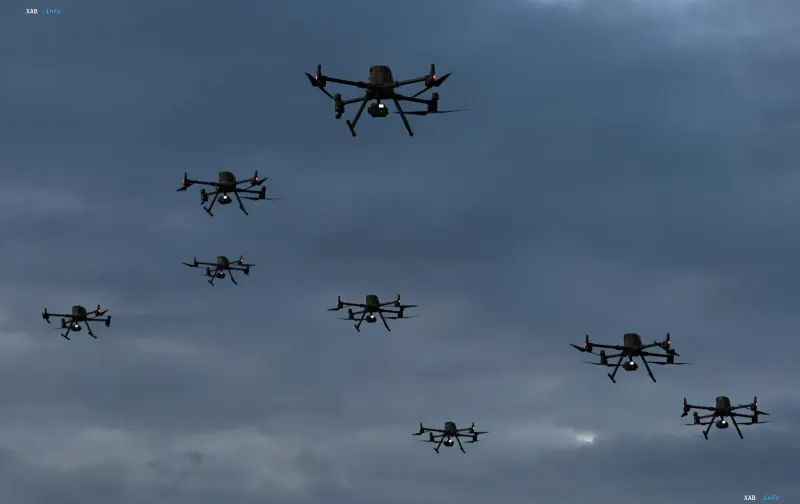
According to the manufacturer's description, Japanese solid-state cells are microchip-sized and soldered directly onto the circuit board. The company highlights two key properties: the cells operate smoothly at temperatures down to −30 °C and, according to the developer, physically cannot explode or catch fire even after being hit by a bullet. The introduction of such cells is expected to eliminate the chronic issue of lithium-ion batteries, which, according to the company, lose capacity within minutes of flight in winter. High energy density and the stability of serial batteries are expected to increase drone flight times and allow operators to more accurately calculate presence and operations in enemy rear areas. The company separately notes that the transition to Japanese chemical cells completely removes dependence on China.
Lean Manufacturing at a Ukrainian Plant
In addition to components, PAWELL Battery is implementing the Japanese Lean manufacturing methodology at its own plant. According to the company, this approach optimizes every step on the assembly line, accelerates the manufacturing process, and ensures a zero-defect rate in finished batteries. Thus, the cooperation affects not only the component base but also the production culture of the Ukrainian plant.
Context: Drones as a Lifesaving Tool
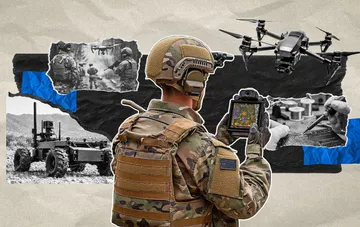
The announcement of the technological transition comes against the backdrop of ongoing practical deployment of drones in the combat zone. It was previously reported that the Ukrainian military evacuated a wounded soldier for the third time using a StarGate drone; the latest operation saved a 54-year-old soldier who remained at his position for nearly two months after being wounded by a landmine. These cases illustrate why expanding the autonomy and reliability of drone power is viewed as a factor directly impacting personnel survival.