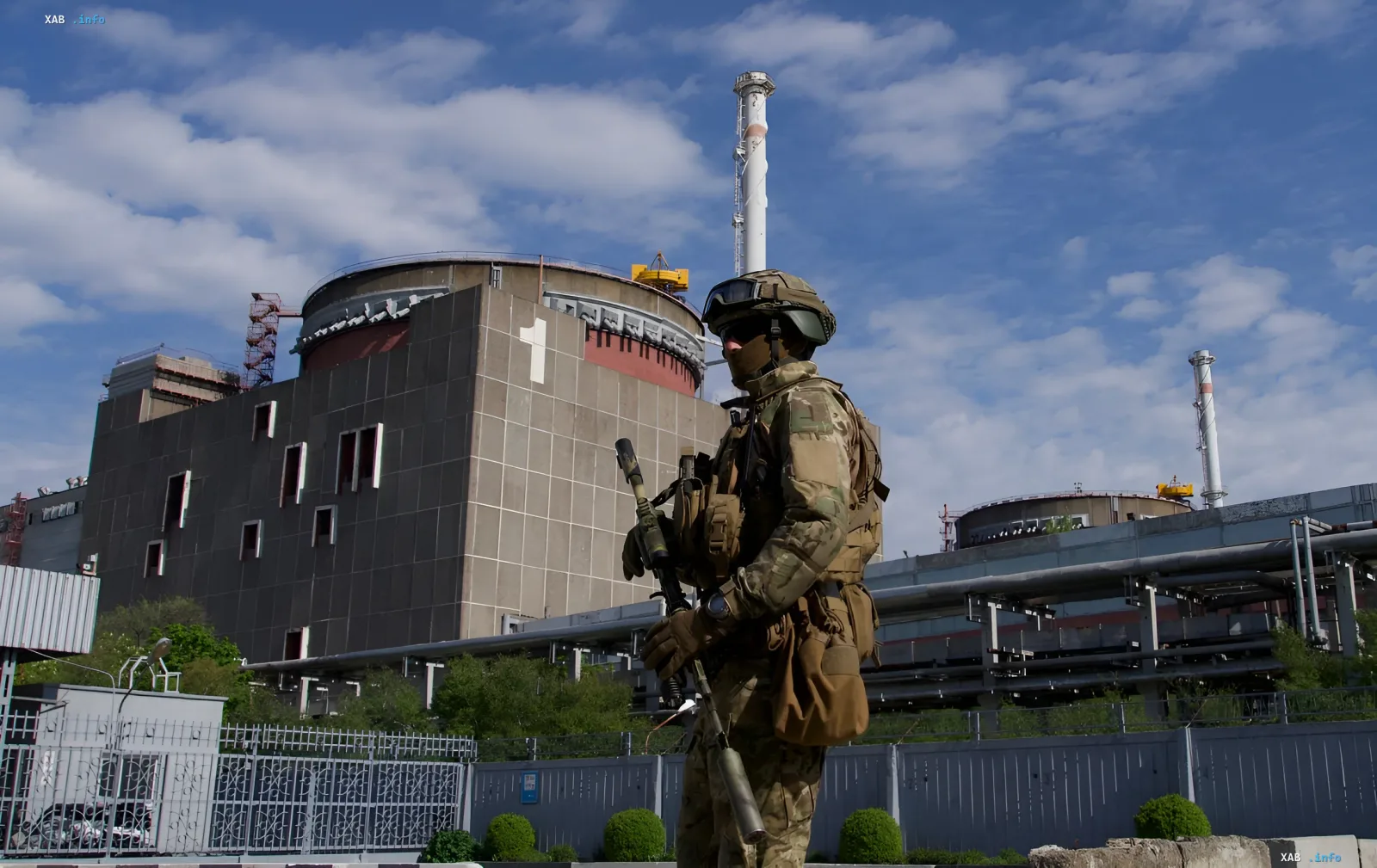
On the morning of June 5, a local ceasefire came into effect on the front line in the immediate vicinity of the Zaporizhzhia Nuclear Power Plant (ZNPP). This unprecedented decision was made to carry out urgent repairs on power lines, which are directly critical to preventing the threat of a nuclear accident.
Information about the ceasefire is confirmed by the press service of the International Atomic Energy Agency (IAEA). Under the strict supervision of international experts, technicians from both sides of the conflict will begin restoring damage to the "Dneprovskaya" 750 kV power line in the coming days. Work will commence after large-scale demining of the territory.
Critical Dependence on a Single Line
The situation at Europe's largest nuclear power plant has reached a critical point. The "Dneprovskaya" line was disconnected more than two months ago. As a result, the plant is now entirely dependent on a single remaining 330 kV line. It is this line that provides electricity to the cooling systems of the six shut-down reactors.
In recent weeks, the stability of this last line has also been under threat. Several times, ZNPP lost access to it, forcing personnel to start emergency diesel generators. This is a last resort measure that cannot serve as a long-term solution for ensuring the safety of the facility.
Complex Negotiations and Technical Obstacles
The current ceasefire is the sixth temporary cessation of hostilities since the start of negotiations between IAEA Director General Rafael Grossi and Russia and Ukraine. The goal of the dialogue was to ensure external power supply and guarantee nuclear safety.
Grossi noted that both sides demonstrated a constructive approach during the delicate negotiations, agreeing to a pause in military operations to prevent a catastrophe. However, the technical aspect remains complex: the location of the line damage is at the tops of high pylons crossing the line of control on the Dnipro River.
"The IAEA will continue to do everything possible to help protect people and the environment from the risk of a nuclear accident, which will benefit absolutely no one and will only intensify the destruction and suffering of wartime," emphasized the head of the Agency.
Context of Recent Events
The need for urgent repairs arose against the backdrop of a worsening situation around the plant. On June 3, the temporarily occupied ZNPP was left without external power supply for the 17th time after a drone strike on a substation on the opposite bank of the Dnipro. The load had to be transferred to emergency diesel generators, which again put nuclear safety at risk.
Additional tension was added to the situation by the shelling of the Zaporizhzhia Thermal Power Plant on the morning of June 4. This creates serious risks for the power supply of the NPP. Earlier, IAEA inspectors who visited the plant following statements by the occupying authorities about damage confirmed normal radiation levels. However, during the inspection, the mission was forced to interrupt the inspection and take cover due to the sounds of drone activity and gunfire in the immediate vicinity of the facility.


