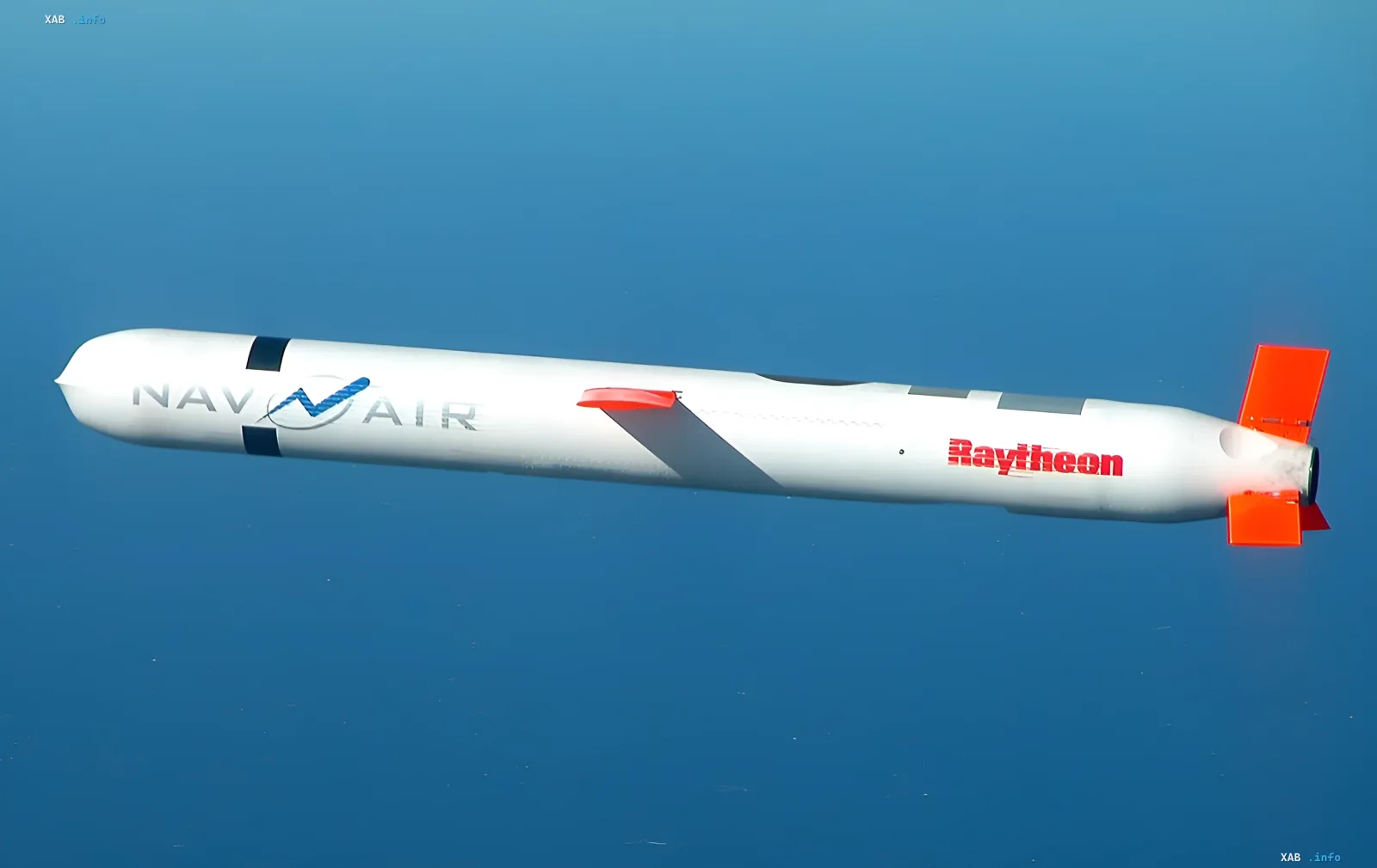
Washington is likely to abandon plans to supply Tomahawk cruise missiles to Germany. According to sources, the decision is dictated by dual pressure: fears of escalating the conflict with Russia and the critical depletion of the United States' own arsenals.
According to information obtained from two European and one American official, the Pentagon fears that the deployment of high-precision missiles in the heart of Europe will trigger retaliatory actions by Moscow. This decision effectively means revising an agreement concluded during the Joe Biden administration and will leave Berlin without the weaponry that German leaders previously considered critical for national security.
Depleted Arsenals: The Price of the Conflict with Iran
The second, no less significant factor prompting a review of plans is the physical absence of missiles in American warehouses. In the first weeks of the escalation of the conflict with Iran, the US expended thousands of units of high-precision weaponry, including Tomahawk and Patriot missiles.
US Defense Secretary Christopher Hegseth acknowledged the scale of the problem during hearings in Congress. He stated that replenishing weapon stocks would take "months and years." Under current conditions, the Pentagon cannot afford to spend strategic reserves on exports, even in favor of key allies.
Trust Crisis in NATO
The cancellation of Tomahawk deliveries becomes a vivid example of Washington's large-scale retreat from commitments to allies. German Defense Minister Boris Pistorius admitted a month ago that the request to purchase the missiles was submitted a year and a half ago, but no response has followed to this day.
"Honestly, given the state of affairs in the world, I do not harbor great hopes," Pistorius noted, commenting on the prolonged wait. Berlin is forced to seek European alternatives, although it admits that closing gaps in defense faster than the pace of the defense industry allows is impossible.
Moscow's Response and New Threats
Against the backdrop of the US retreat, Russia is intensifying its military presence in Europe. Nuclear Iskander complexes are deployed in the Kaliningrad region, while medium-range Oreshnik missiles are in Belarus. These systems can reach any point in Europe in minutes, creating a serious asymmetry in the balance of power.
Parallel to this, NATO intelligence has detected suspicious activity by the Russian Northern Fleet. Experts believe these actions may indicate Moscow's attempts to place nuclear missiles on the seabed, adding a new level of uncertainty to the strategic situation.
Europe Forced to Arm Itself
Realizing that they can no longer rely on American protection in the previous volume, European powers are accelerating their own rearmament. France, the UK, and Germany are joining forces to develop hypersonic long-range missiles.
Participation in this joint program is intended to reduce the gap between nuclear and conventional deterrence means. EU countries are trying to make up for the power deficit that arose due to the US inability to promptly supply weapons and to create an autonomous security system capable of countering new threats.


