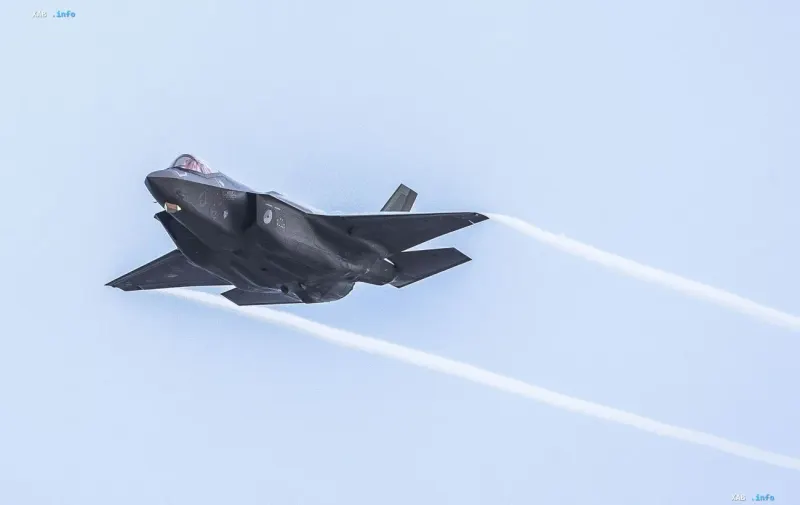
The US Department of Defense and Lockheed Martin have signed a long-term framework agreement to procure at least 850 fifth-generation F-35 fighters over a ten-year period. The document is designed to significantly expand and modernize the tactical aviation fleet of the US armed forces.
Terms of the Ten-Year Contract
The new agreement establishes a stable, long-term foundation for the procurement of aircraft and related equipment. The ultimate implementation of this large-scale deal will depend on obtaining the necessary authorizations and funding approvals from Congress. Under the agreements, Lockheed Martin has committed to providing at least $7 billion in funding for initiatives supporting the F-35 program.
Financial Optimization and Spare Parts Supply
The document covers not only the production of the aircraft themselves, but also the acquisition of an initial spare parts kit and specialized upgrade kits. Operational support will extend to the entire global fleet of F-35 fighters. Unifying component requirements across the supply chain will allow the Department of Defense to optimize costs and achieve economies of scale.
Context and Export Prospects
The conclusion of this contract comes amid discussions regarding the export prospects of American fighters to other regions of the world. Earlier, US President Donald Trump expressed his intention to approve the sale of F-35 aircraft to Saudi Arabia, which could significantly alter the balance of power in the Middle East. This step complements Washington's overall strategy to strengthen ties with key Middle Eastern security partners.
Significance of the Deal for the Defense Industry
The signing of the long-term agreement cements the US strategic course of maintaining technological superiority in the fifth-generation tactical aviation segment. Guaranteed order volumes for the coming decade secure production loading for Lockheed Martin and stimulate the development of related defense sectors. It is expected that the unification of supply chains and maintenance standards will enhance overall combat readiness and reduce operational costs for operators worldwide.